
How long does a home solar panel installation take?
There isn’t one fixed timescale for a home solar panel installation. We first survey and design the system, then schedule the fitting, testing and certification around your roof access, system size and any electrical work needed.
There isn’t one fixed timescale for a home solar panel installation. The roof work may be completed in a single visit, but the full process can take longer if the property needs planning approval, a grid connection check, scaffolding or electrical upgrades.
The main factors are the roof’s condition and access, the position of the consumer unit, the route for the solar cabling, and whether you’re adding a battery. A straightforward modern roof is usually simpler than a listed house, barn conversion or older property with several roof levels.
The survey and design
Your roof needs to produce enough electricity for the system to be worthwhile, so we assess more than its available area. We look at orientation, pitch, shading from trees or nearby buildings, roof coverings and the condition of the supporting structure. We also check where the inverter, isolators, battery and generation meter could go.
The electrical inspection is equally important. An older consumer unit, limited spare capacity or a long cable route can affect the design. If the roof needs repairs, we’ll identify that before panels are fitted. Removing panels later to repair the roof adds disruption and cost.
After the survey, we prepare the panel layout and electrical design. This shows how the panels will connect to the inverter and the existing installation, and whether battery storage would change the design. It also gives you a clearer basis for comparing the likely generation with your household’s electricity use.
Approvals and equipment
Some homes need more checks before work can start. A listed building, property in a conservation area or installation with unusual visibility may need planning advice or consent. The proposed system may also need approval from the electricity network operator, particularly where export to the grid is involved.
We confirm these requirements before arranging the installation. Equipment is ordered once the design is agreed and any necessary approvals are in place. Delays at this stage usually relate to permissions, network paperwork, roof access or equipment availability rather than the panel fitting itself.
What happens during the installation
On the agreed installation date, scaffolding may be erected so the roof team can work safely. The mounting system is fixed to the roof structure, then the panels are secured and connected. We plan the cable route to keep the installation neat and protect the wiring from damage.
Inside the property, we install the inverter and necessary isolation equipment in a suitable location. If there’s a battery, we allow for its ventilation, access and connection to the wider electrical system. The work may involve brief interruptions to the electricity supply while connections are made and tested.
Older homes can need more careful routing. Thick walls, concealed joists, outbuildings and long distances between the roof and consumer unit can add work. We explain any alteration before carrying it out rather than treating it as an unexpected extra.
Testing and handover
Panels aren’t ready to use simply because they’re fixed to the roof. We test the strings, inverter, protective devices, isolation points and connection to the home’s electrical system. We then commission the system and check that it is generating correctly.
You receive the relevant electrical certification and information for operating the system. We also explain the monitoring arrangement, what the inverter and battery indicators mean, and how to use the electricity your panels produce. MCS certification provides the documentation needed for the Smart Export Guarantee, subject to the energy supplier’s requirements.
Once the installation is complete, we deal with the required notifications and provide the paperwork needed for your records. Keep this information with the property documents, particularly if you later sell or remortgage the house.
What can make the process longer?
- A roof that needs repair or strengthening before panels can be installed.
- Scaffolding difficulties or limited access to a rural, outbuilding-based or multi-level property.
- Planning requirements affecting a listed building or conservation area.
- An older consumer unit or electrical installation needing remedial work.
- A long or complicated cable route between the roof, inverter, battery and meter.
- Additional network requirements where the system will export electricity.
- Changes to the panel layout or battery choice after the design has been agreed.
We set out these points in the quotation so you know what is included before work starts. If the survey shows that the roof, electrical installation or proposed layout needs further attention, we explain the reason and the effect on the programme before proceeding.
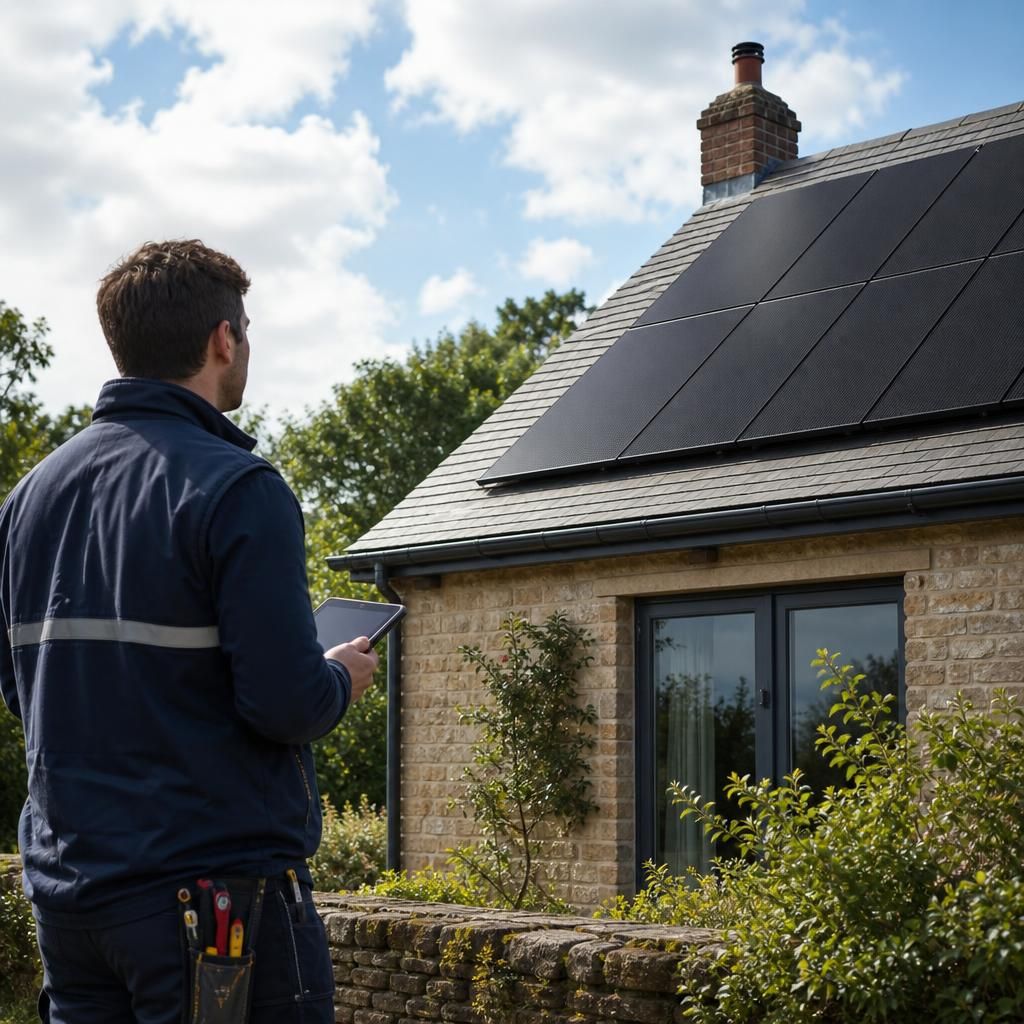
The panels can start generating once the system has been tested and commissioned. Export payments are a separate step, because the energy supplier must process the Smart Export Guarantee application using the MCS paperwork we provide.
That means the installation may be complete before the export account is active. Keep the commissioning certificate and system details with your property records until the supplier confirms registration.