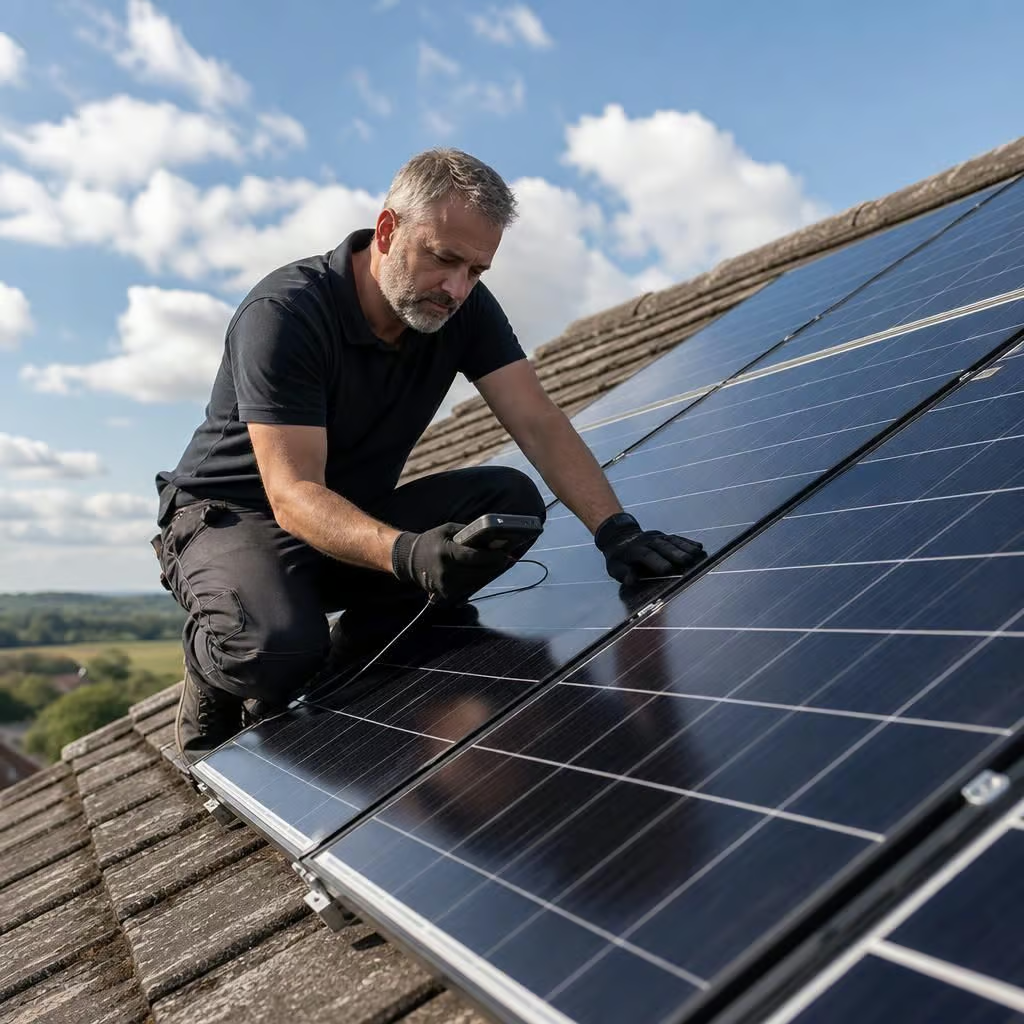
How will my solar panels be maintained after installation?
Solar panels usually need little routine maintenance after installation. If generation falls or the monitoring shows a fault, we inspect the panels, inverter and electrical connections, then carry out any necessary cleaning or repairs.
Solar panels need little routine maintenance after installation. Most systems are maintained through performance monitoring, occasional visual checks and prompt attention to faults rather than regular servicing visits.
Your monitoring app or inverter display should show whether the system is generating as expected. A noticeable drop in output, a fault message or no generation on a bright day can point to an inverter problem, a tripped protection device, damaged cabling or an issue with the panels. We can investigate the cause rather than assuming that the panels themselves need replacing.
Your roof and surroundings affect how often the system needs attention. Dust, bird mess, leaves and pollen can collect on panels, while trees may grow into the sunlight path after installation. We look at shading and soiling during an inspection and explain whether cleaning is likely to improve generation. Rain usually removes loose dirt, but stubborn deposits may need specialist cleaning. Pressure washing or walking across the panels can cause damage.
If the panels are difficult to reach, we carry out checks from a safe position or arrange suitable access. We do not expect you to climb onto the roof. A visual check from ground level can still identify cracked glass, loose components, heavy soiling or changes to the roof area around the array.
During a maintenance visit, we can check:
- the panels, mounting system and visible cable routes;
- the inverter, isolators and electrical connections;
- generation readings and monitoring data;
- signs of water ingress, weather damage or pest damage;
- the consumer unit, protective devices and earthing associated with the installation.
Your inverter is usually the part most likely to display a fault because it contains the electronic components that convert the panels’ output for use in the property. If it shows an error, we record the code, test the surrounding electrical equipment and identify whether the fault is with the inverter, the supply or another part of the system.
Birds, rodents and farm buildings can create particular problems on rural properties. Nesting material, droppings and damaged cable insulation can affect performance or safety. We check accessible cable routes and protective fittings, then recommend repairs where the installation has been affected.
If a battery is connected to the solar system, we also check its operation, connections, settings and monitoring data. The battery does not need topping up like a traditional battery bank, but warning messages, unusual charging behaviour or a change in stored energy should be investigated.
Your system may need attention after high winds, falling branches, building work or changes to nearby trees. Contact us if you notice movement, damaged panels, exposed cables, repeated tripping or a persistent inverter warning. Do not remove covers or work on the electrical equipment yourself, even if the panels are not currently generating.
When we carry out a repair or inspection, we explain what we found and what needs doing before work starts. We provide a written quotation where chargeable work is required, so you can decide whether to proceed without unexpected additions to the bill. After electrical work, we test the system and provide the relevant paperwork for the work completed.
There is no single maintenance interval that suits every property. A clear, accessible roof with stable monitoring may need very little attention. Trees, agricultural dust, bird activity, weather exposure or a battery can justify more regular checks. We can recommend a sensible approach after seeing the installation and its generation history.
After installation, keep the monitoring details and system paperwork together. We can show you what normal generation looks like, record the equipment fitted and explain which warning messages need attention. If performance changes later, those records help us compare the system with its original readings and diagnose the fault more accurately.
Keep the area around the inverter, isolators and battery clear, and tell us about roof work, building alterations or new shading from trees. That gives future inspections safe access and helps us identify changes that could affect generation or the electrical equipment.