
How long does installing solar panels on a house roof take?
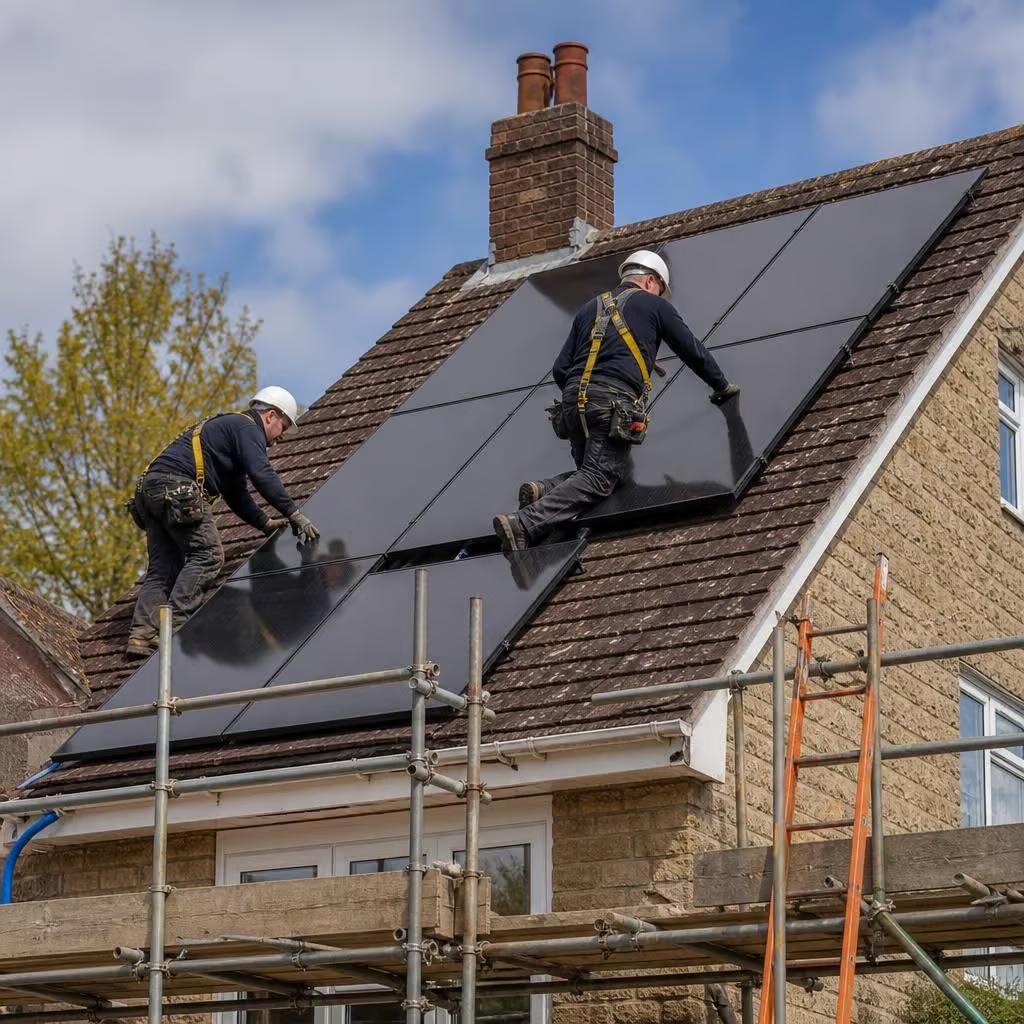
A straightforward roof-mounted solar panel installation is often completed in a single working day. The full project takes longer because we first survey the roof, design the system and arrange any required approvals; roof type, access, scaffolding and battery installation can all affect the programme.
For many homes, the roof work is completed during one planned visit. The full timescale is longer because the roof, electrical system, equipment and any permissions must all be ready first.
The main stages are:
- Initial assessment: we look at the roof covering, orientation, shading, access and available space. We also check where cables can run and where the inverter will sit.
- System design: the panel layout is matched to the roof rather than simply filling every available space. We consider how shading, roof angles and your electricity use will affect the design.
- Checks and paperwork: some properties need planning advice, particularly listed buildings or homes in sensitive areas. We also identify any work needed on the consumer unit or other parts of the electrical installation.
- Roof preparation: scaffolding and access equipment may need to be arranged before the installation team arrives. If the roof covering needs repair, that work should be completed first.
- Installation and testing: we fix the mounting system, fit the panels, run the cables and connect the inverter. We then test the system and explain the controls before leaving.
- Completion paperwork: you receive the information needed to understand and operate the system. The relevant notifications and certification are also completed as part of bringing the installation into use.
The installation itself is more straightforward when the roof is sound, access is clear and the consumer unit can accept the new generation circuit. A simple roof with an accessible loft usually involves less work than a divided roof, a steep roof or a property with limited scaffold access.
Older homes need a little more care. Solid-wall houses, barn conversions and listed buildings can have unusual roof structures, restricted cable routes or planning conditions. We check these points before agreeing the work, so the installation does not pause because the intended route or fixing method is unsuitable.
Roof construction also affects the programme. Tile, slate and other coverings need different fixing methods, while an in-roof system requires more work to integrate the panels with the roof covering. A flat roof may need a different mounting arrangement and careful consideration of ballast, wind loading and roof condition.
Adding a battery, a diverter or other electrical equipment can extend the installation work. The extra equipment must be positioned safely, connected correctly and tested with the solar system. If the existing consumer unit or cabling needs upgrading, we explain that before work starts rather than adding it unexpectedly.
Weather can affect roof work, especially during high winds or heavy rain. We will not continue with work at height when conditions make it unsafe. Material availability, scaffold arrangements, roof repairs and any required approvals can also move the installation date.
A solar installation does not always begin generating as soon as the last panel is fixed. The system must be commissioned, tested and documented. Where the installation is eligible for the Smart Export Guarantee, MCS certification provides the basis for applying for the export tariff once the system is operational.
We set out the expected sequence and any work that could affect the timing in the quotation. That gives you a clearer distinction between the time spent fitting the panels and the longer period needed to prepare and complete the whole project.
The date for fitting the panels is only reliable once the survey has confirmed the fixing method and cable route. A roof that looks straightforward from the ground may need a different approach around skylights, valleys or separate roof sections.
We record these details before arranging the installation team. That means the people arriving on the day have the right mounting equipment and know how the system will connect inside the house, rather than deciding the route after work has started.