
Should I choose in-roof or roof-mounted solar panels?
For most existing homes, roof-mounted solar panels are the simpler and usually less disruptive choice; in-roof panels suit new roofs or homes where a flush, integrated appearance matters more. We compare the roof condition, panel layout, appearance and installation work before recommending the option that fits your property.
For most existing homes, roof-mounted panels are the more practical choice. In-roof panels deserve serious consideration when the roof covering is being replaced, when appearance is especially important, or when a new roof is being designed around the system.
The two arrangements can produce a similar amount of electricity when they use comparable panels in the same position. The main differences are how the panels sit within the roof, how much roof work is needed, the appearance from the ground and the access available for future maintenance.
Roof-mounted panels sit above the existing tiles or slates. We fix rails to the roof structure, attach the panels to those rails and route the cables through a properly sealed roof entry point. The panels sit clear of the roof covering, which leaves an air gap beneath them. That gap helps ventilation and gives us access to the fixings and cable runs during inspection or repair.
This approach normally causes less disturbance to an otherwise sound roof. We still check the roof structure, covering, fixings and cable route before installation, but we do not need to replace a section of tiles or slates with an integrated panel tray. If a roof tile later needs attention, the surrounding panels can usually be accessed without disturbing the whole roof covering.
In-roof panels form part of the roof covering. We remove the relevant tiles or slates and install an integrated tray, flashing and support system. The panels then sit closer to the plane of the roof, rather than standing above it on rails. The result is a flatter appearance, with less of the panel frame visible from some viewpoints.
That cleaner finish requires careful roof detailing. The integrated system must shed rainwater correctly, connect properly with the surrounding tiles or slates and remain compatible with the roof structure. We plan the panel layout and the weatherproofing together, rather than treating the solar array as an addition after the roof has been finished.
Cost depends heavily on the roof work involved. In-roof installation usually involves more labour because the existing covering must be removed, stored or replaced, and tied into the integrated flashing. It may make financial sense when scaffolding and roof work are already planned. Adding it later to a roof that is otherwise in good condition can involve unnecessary disruption.
Roof-mounted panels usually keep the roofing work to a minimum. The quotation still needs to allow for access equipment, roof fixings, electrical work and any changes needed inside the property. We set out those items before work starts, so the choice is based on the complete installation rather than the panel price alone.
The roof covering itself often decides the better option. A sound tiled roof can usually accommodate a well-designed mounted system, provided the rafters, battens and tiles are suitable. Older roofs need more careful checking. Slate size, fragile tiles, uneven roof lines, previous repairs and limited rafter access can all affect the fixing method.
On a listed property or a home in a sensitive setting, the visual impact may carry more weight than it would on a standard roof. Planning requirements and conservation considerations can affect the permitted position and appearance of the panels. We can identify those constraints during the design process, but the relevant planning authority makes the final decision.
In-roof panels do not automatically produce more electricity. Output depends mainly on the available roof area, orientation, pitch, shading, panel specification and system design. Roof-mounted panels may have a slight practical advantage where their open underside allows better airflow, but the difference for a particular home cannot be judged from the installation type alone. We model the proposed array against the roof and nearby shading before recommending an arrangement.
Maintenance is another useful distinction. Roof-mounted panels remain separate from the weatherproof roof covering, so replacing a damaged tile or accessing a fixing is generally more straightforward. In-roof panels have integrated flashings and trays that become part of the roof detail. If a panel or its surrounding weatherproofing needs attention, the work can involve more careful removal and reinstatement.
Neither option removes the need for sensible maintenance. We leave access to the inverter, isolation equipment and any battery system, check the cable route and make sure the roof penetrations and flashings are suitable. The panels themselves have no moving parts, but the electrical equipment and roof interfaces still need to remain accessible.
Your roof may also be due for work that is not obvious from ground level. If the covering is nearing the end of its useful life, installing panels first can mean paying to remove and refit them later. We look at the condition of the roof before finalising the design. A roof replacement or local repair may be the right first step, even if that delays the solar installation.
When we design a system, we compare the two arrangements against:
- the condition, age and type of the existing roof covering;
- the available fixing points and the roof structure beneath them;
- the position of chimneys, roof windows, vents and shaded areas;
- the appearance of the array from the garden, road and neighbouring properties;
- the amount of roof work and internal disruption involved;
- future access to panels, cables, the inverter and battery storage; and
- any planning or conservation restrictions that may apply.
An in-roof system is often most logical as part of a new build or planned roof replacement. A roof-mounted system is often the sensible answer when the existing roof is sound and the priority is to add solar without rebuilding the roof around it. There is no universal winner: the suitable choice is the one that matches the roof’s condition, the desired appearance and the work already planned for the property.
We include the proposed mounting method, roof work, electrical equipment and access arrangements in the quotation. Your decision can then reflect the full installation and its future maintenance, rather than choosing between two panel positions in isolation.
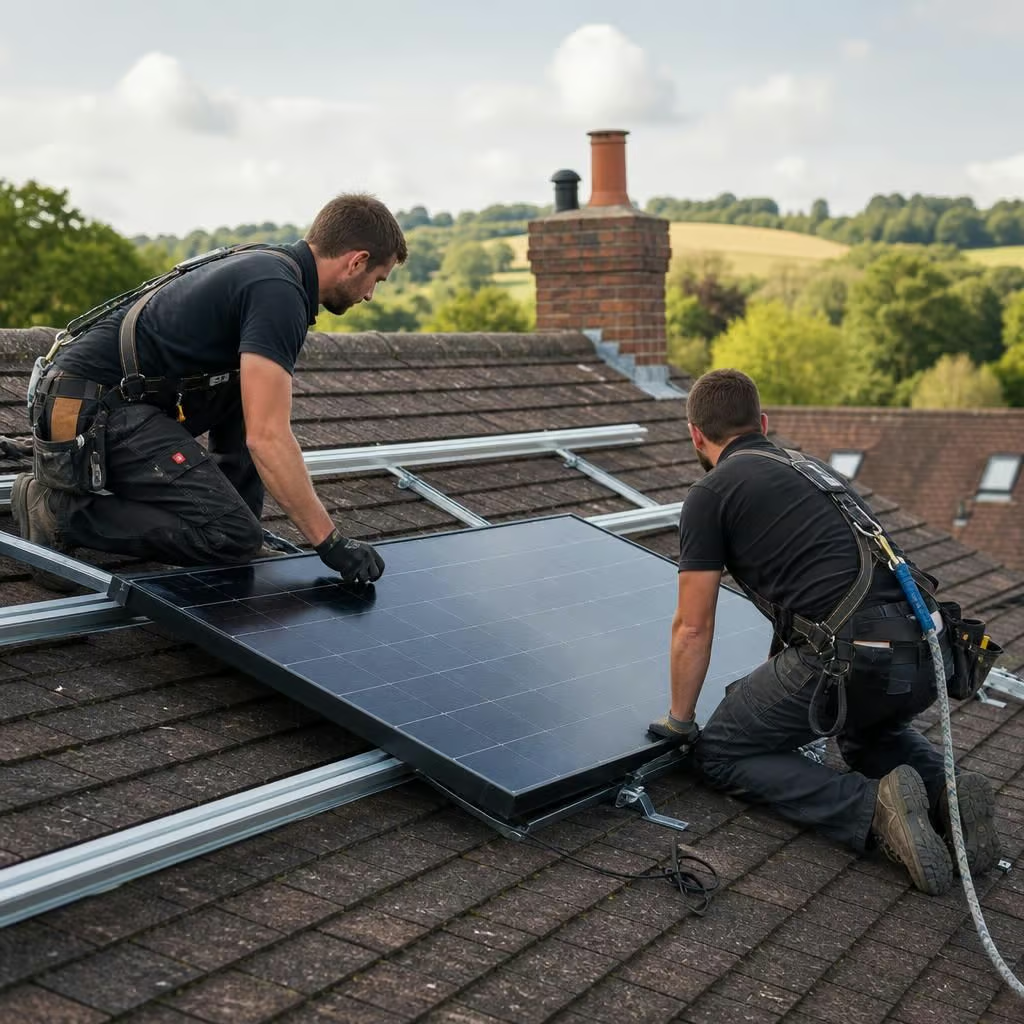
In-roof panels can make the array look like part of the roof, but they do not disappear. The dark glass and panel grid remain visible, particularly on a front roof slope or from an elevated garden.
On an older roof with varied or weathered tiles, roof-mounted panels may create a clearer visual boundary without disturbing the existing covering. We can show both arrangements against the roof elevation, so you can judge the appearance from the places that matter before choosing.