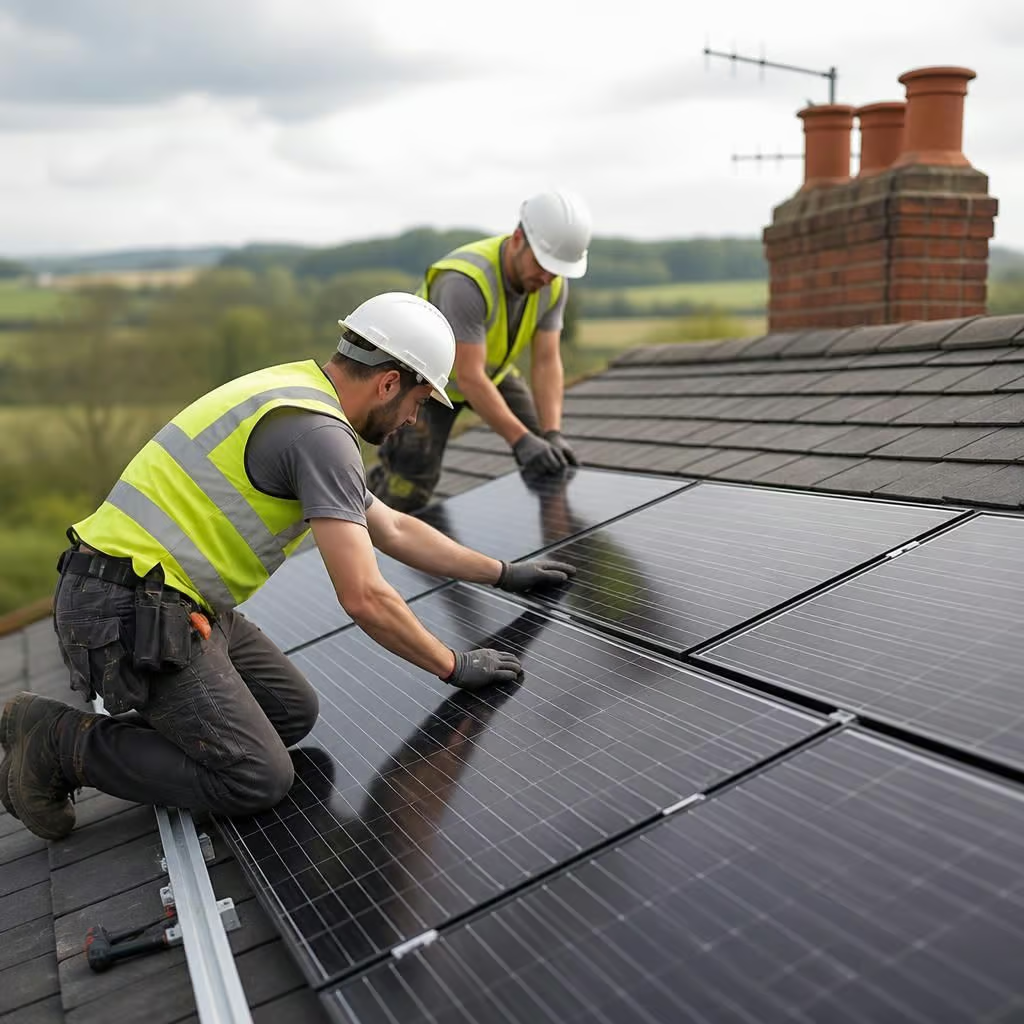
What happens during a home solar panel installation? We check the roof, electrical system and cable route first, then fit the panels, connect the system, test it and explain how to use it.
On installation day, we protect access routes, mount the panels and install the inverter and other system equipment. We then commission the system, explain its controls and provide the paperwork you need to operate it.
A home solar panel installation is usually a planned sequence of roof work, cable installation, electrical connection and commissioning. Most of the work takes place outside, but we need access to the consumer unit and the agreed equipment location inside the home.
Before installation day, we confirm where the panels, inverter and cables will go. The layout must work with the roof structure, shading, access, existing electrics and any future battery. If the property has an older consumer unit, long cable runs or limited space, we explain the required electrical work before we start.
On the day, the engineers protect the areas used to reach the roof and bring the equipment to the agreed working area. Roof access may involve scaffolding or another suitable access method. We keep tools, packaging and materials organised so the work does not spread through the house.
The roof work starts with the mounting system. We position the brackets and rails to suit the roof construction, then secure the panels in the agreed layout. On older homes, we take particular care around uneven roof surfaces, older tiles and roof details. If we find a problem that affects the planned installation, we stop and discuss it rather than forcing the work to continue.
Each panel is connected to the next using solar cabling. We route the cable into the building through an agreed entry point, keeping the route as short and protected as practical. The cable then connects to the inverter, which changes the panels’ electricity into a form the home can use.
The inverter needs a suitable position with enough ventilation and access for inspection. It may be installed in a garage, utility room, plant room or another agreed location. We avoid putting it where heat, moisture or accidental impact could affect it. If a battery is part of the design, we allow for its position, isolation equipment and safe access as well.
Inside the property, we connect the solar system to the electrical installation through the appropriate protective equipment. This may require work at the consumer unit or an additional distribution board. The house may need a short interruption to its electricity supply while we make and check these connections. We explain this before isolating anything.
Your existing electrical system does not automatically need replacing because you are adding solar panels. We assess its condition and capacity first. If the consumer unit or earthing arrangement needs upgrading, that work is dealt with as part of the installation plan rather than left as an unresolved issue.
Once the physical installation is complete, we carry out electrical tests and check the system’s safety devices. We confirm that the panels, inverter, battery where fitted and monitoring equipment communicate correctly. We also check that electricity can be used in the home and, where arranged, exported through the meter.
We then show you how to read the monitoring information. It can help you see generation and, where a battery is installed, how electricity is being stored and used. We explain what the normal readings mean and what to do if the system reports a fault.
The installation paperwork records the equipment, testing and system details. As an MCS-certified installer, we can provide the certification needed for a Boiler Upgrade Scheme application where that scheme applies to the relevant work, and for eligibility under the Smart Export Guarantee for exported solar electricity. The current grant and export arrangements still need checking for your property and installation.
For a typical home, the main disruption is noise, movement around the property and temporary access restrictions near the roof. We do not need to remove rooms or empty the whole house. You may need to keep vehicles, garden furniture or other items clear of the access area until the work is finished.
Weather can affect roof work, particularly strong wind, heavy rain or icy conditions. We will not continue with unsafe roof access simply to keep to a planned sequence. If the weather or an unexpected building issue changes the work, we explain what needs to happen next.
At the end, we remove installation waste, leave the working areas tidy and make sure you understand the system before we leave. You should know where the isolation switches are, how to view the monitoring and which information to keep with the installation records.
If the roof needs attention before it can safely carry panels, we tell you before installation continues. That might mean repairing damaged tiles, changing the panel layout or arranging separate roof work first. You can then decide how to proceed rather than discovering a problem after the system is fitted.
This matters particularly on older homes, where roof coverings and supporting details may not be uniform. We work around sound sections of the roof and keep the agreed panel position, cable route and equipment locations in view throughout the job.