
Will home solar panels work with my existing electrical system?
Yes, most homes can have solar panels connected to their existing electrical system. We check the wiring, consumer unit, earthing and available capacity first, then identify any upgrades needed for a safe connection.
Home solar panels usually work with an existing electrical installation, but the installation must be suitable for the equipment being added. A system can only be connected safely when the consumer unit, protective devices, earthing arrangement and supply characteristics meet the requirements for solar generation.
Your home may have perfectly serviceable wiring but still need a small upgrade before the panels can be connected. An older consumer unit may not have the correct protection for a generation circuit, or its enclosure and wiring may no longer meet current requirements. We explain the reason for any remedial work rather than treating a full rewire as an automatic part of a solar installation.
Your existing supply also affects the design. We consider the main fuse, the distance between the consumer unit and inverter, the proposed system size and other significant electrical loads. This prevents the new generation circuit from placing an unsuitable demand on the installation.
The inverter changes the panels’ direct current into alternating current for use in the house. It normally connects through a dedicated circuit, with isolation and protection positioned so the system can be safely maintained. We agree the inverter location and cable route with you before work starts, taking account of access, appearance and the distance from the roof to the electrical equipment.
Your roof may be suitable for panels while the route back to the consumer unit needs more thought. Solid walls, thick masonry, outbuildings and older extensions can make cable routing less straightforward. We look at the actual construction of the property and avoid assuming that a standard route will work. If a visible cable or external conduit is unavoidable, we discuss its position before installation.
A battery can usually be added to a solar system, but it changes the electrical design. The inverter arrangement, battery location, protection and available space all need checking together. If you want backup power during a grid outage, that requires additional equipment and a suitable changeover arrangement. A standard grid-connected solar system will switch off during an outage, even when sunlight is available, to protect people working on the network.
Your planned loads matter as well. An electric vehicle charger, electric heating, immersion heater or workshop equipment may affect the design more than the panels themselves. We consider how these loads operate alongside solar and battery charging, including whether load management is needed to prevent unnecessary strain on the supply.
Older and rural homes are not automatically unsuitable. We regularly consider properties with older wiring, solid walls, barn conversions and oil or LPG heating. The important points are the condition of the electrical installation, the earthing and bonding, the supply capacity and the proposed equipment. A listed building may also need separate planning consideration, but that is distinct from whether its electrical system can accept solar.
Where the supply or proposed system requires approval, we deal with the relevant network operator process as part of the design. The final arrangement must be recorded accurately, including the generation equipment and any battery storage. After testing, we provide the electrical and commissioning paperwork needed for the completed installation.
We quote separately for any work that is needed before the panels are connected. That might involve replacing an outdated consumer unit, improving protection, correcting an earthing issue or installing a new cable route. The quotation sets out the work before installation starts, so an unexpected electrical charge does not appear after the panels are on the roof.
Solar panels can reduce the electricity you buy from the grid, but the value depends on when the home uses electricity and whether a battery changes that pattern. We look at the proposed system alongside the property’s consumption rather than treating the roof in isolation. MCS certification means we can make a Boiler Upgrade Scheme application where relevant to an eligible renewable installation and helps make a solar installation eligible for the Smart Export Guarantee, subject to the scheme’s current rules and the export supplier’s requirements.
Electrical work for the system is carried out by our directly employed team. As NICEIC- and ECA-registered electricians, we test the connection and leave the installation with the documents needed to understand what has been fitted and how it operates.
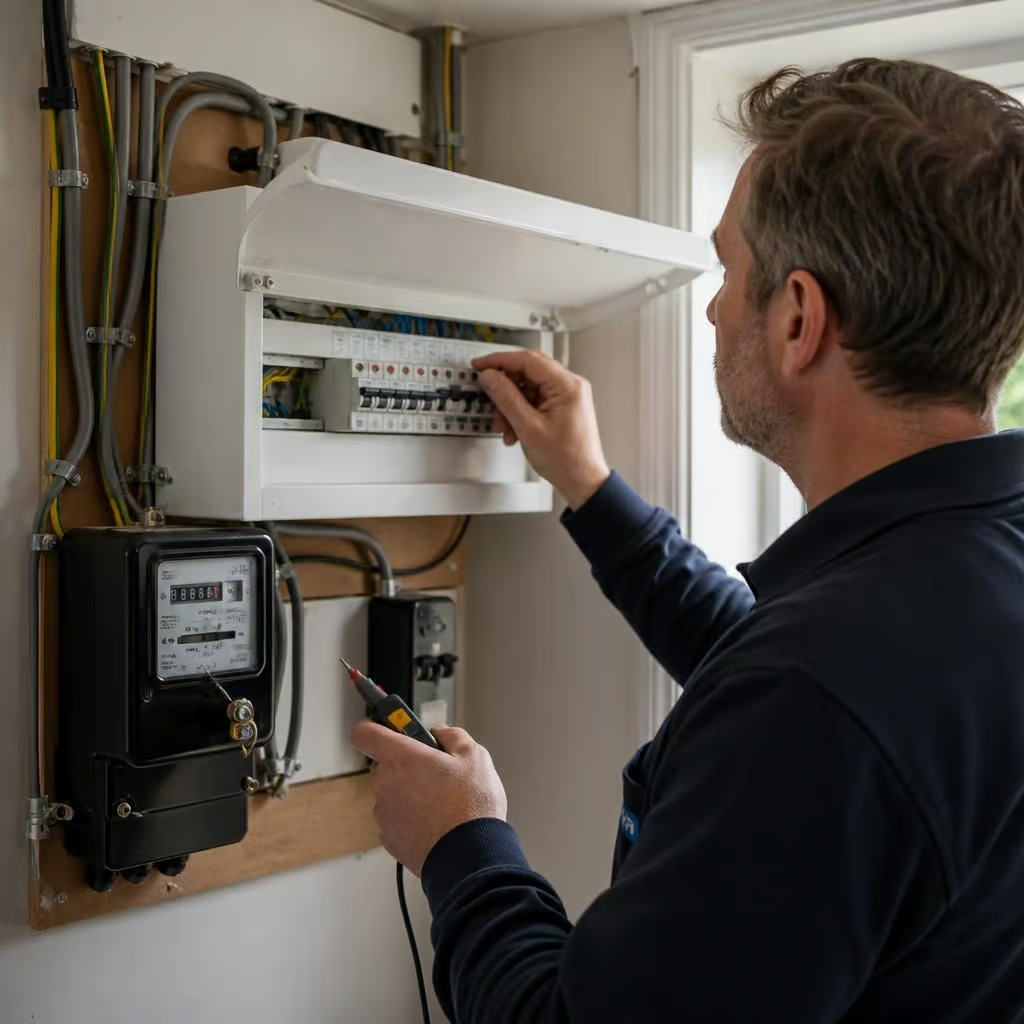
Your electricity meter may be older than the rest of the installation. That does not automatically rule out solar, but we check how it records electricity imported from and sent back to the grid.
If the meter or export arrangement needs changing, we identify that before the panels are fitted. We also explain how the inverter, meter and any battery work together, so you know what the finished system will measure and where surplus electricity will go.