
How long does renewable energy storage installation take?
Renewable energy storage installation time depends on the battery system, its location and any electrical work needed. We assess the property first, then confirm the installation programme and commissioning work in a written quotation.
There is no fixed timescale for renewable energy storage installation. A straightforward battery installation may be completed during one planned visit, but the full process takes longer because we first need to assess the property, design the system and complete any required electrical or network work.
The main factors are the battery size, whether solar panels are being installed at the same time, the position of the inverter and battery, the condition of the consumer unit, and the route for the cables. Older properties can need more preparation, particularly where the existing wiring or electrical capacity does not suit a modern storage system.
The process normally has these stages:
- Initial discussion: We establish how much electricity the property uses, when it uses most energy and what you want the battery to do. That might mean storing solar power for the evening, reducing reliance on imported electricity or adding storage to an existing solar installation.
- Property survey: We inspect the consumer unit, meter position, incoming supply, existing solar equipment and possible battery locations. We also look at cable routes, ventilation, access and the condition of the wall or surface supporting the equipment.
- System design: We match the battery and inverter capacity to the generation system and the property’s usage. A larger battery is not automatically better if the panels cannot charge it or the household cannot use the stored energy efficiently.
- Approvals and administration: Depending on the system, we deal with the relevant electrical notification and distribution network requirements. If the installation includes solar generation, the paperwork also matters for export arrangements and the Smart Export Guarantee.
- Installation: We fit the battery, inverter, isolators, protection equipment and cabling. If the existing consumer unit needs upgrading, we complete that work as part of the installation rather than leaving an unsuitable arrangement in place.
- Testing and commissioning: We test the system, configure the controls and confirm that the battery charges, discharges and communicates correctly with the monitoring platform. We then explain how to read the system and change its operating settings.
The installation itself is usually the shorter part of the project. A battery placed close to the consumer unit, with a clear cable route and suitable existing equipment, creates less work than a system positioned in a detached garage, outbuilding or remote plant room. Longer cable runs, wall penetrations, additional protection or difficult access can extend the visit.
Solar and battery work can also take longer than a battery-only retrofit. We need to check whether the existing inverter can work with the proposed battery, or whether it needs replacing. We also confirm how the panels, battery, house supply and export meter will interact. This prevents a system being installed that cannot use the available solar generation properly.
Older homes are not automatically unsuitable. Solid walls, barn conversions and rural properties can all have workable battery installations, but the equipment location and cable route need more careful planning. If the property is off the gas grid, that does not by itself affect the battery installation, although the wider electrical demand from heating, hot water or other equipment may affect the system design.
We provide a written quotation before work starts. It sets out the proposed equipment, the work included and any changes we expect to make to the existing electrical installation. If the survey identifies an issue that was not visible beforehand, we explain it before carrying out additional work.
Once the survey is complete, we can give a more reliable timescale for the particular property. The quotation will distinguish between the time needed for design and administration, the installation visit and any follow-up paperwork. That gives you a clearer view of the whole project rather than just the time spent fitting the battery.
Where the installation includes solar panels or forms part of an MCS-certified renewable system, our certification supports the relevant export registration process. We also leave you with the commissioning information and operating guidance needed to use the system safely.
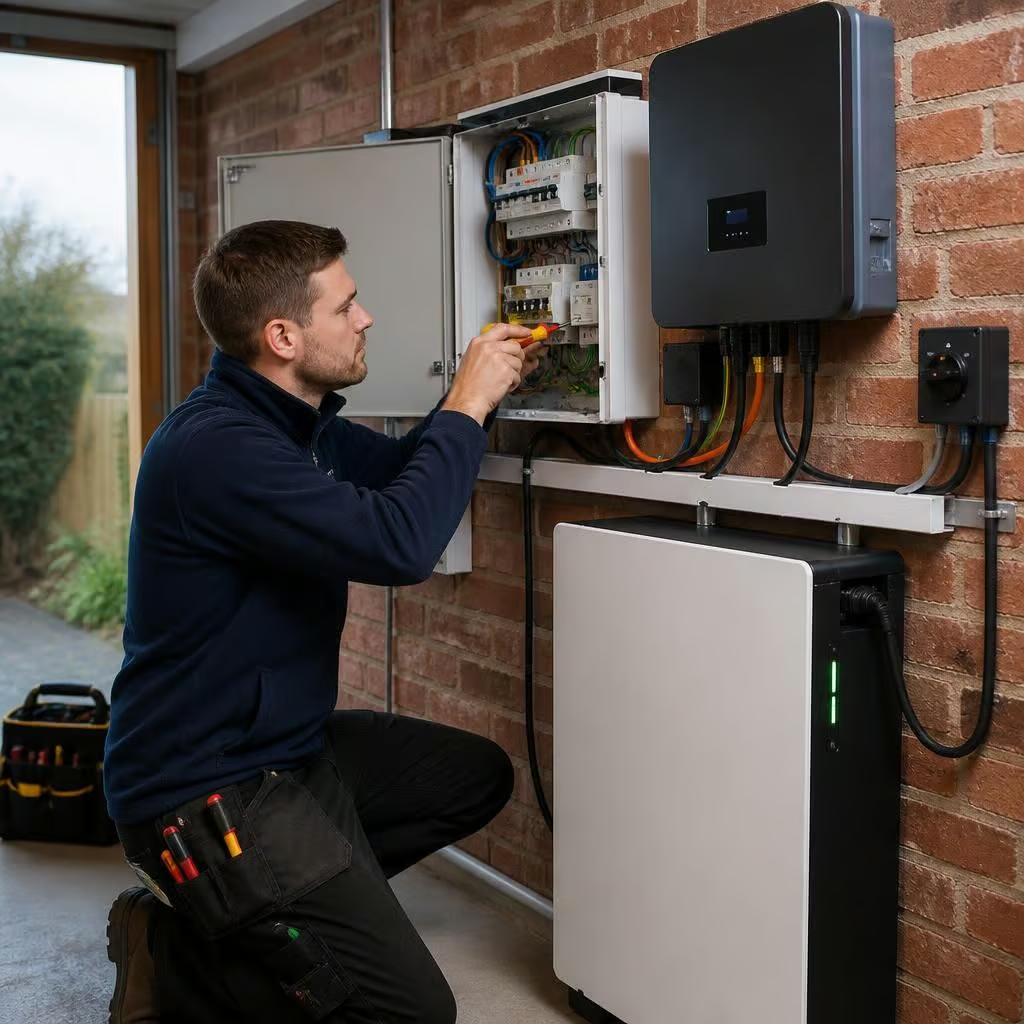
The installation date is easier to plan when the battery location is ready. We need clear access to the consumer unit, meter, inverter and the wall or floor supporting the battery. If the equipment is in a garage or outbuilding, we also need a usable route for cabling and testing.
During the electrical connections, we may need to isolate parts of the supply. We explain this before starting, keep the working area tidy and test the system before leaving. The visit therefore includes commissioning and checks, not just fixing the battery in place.