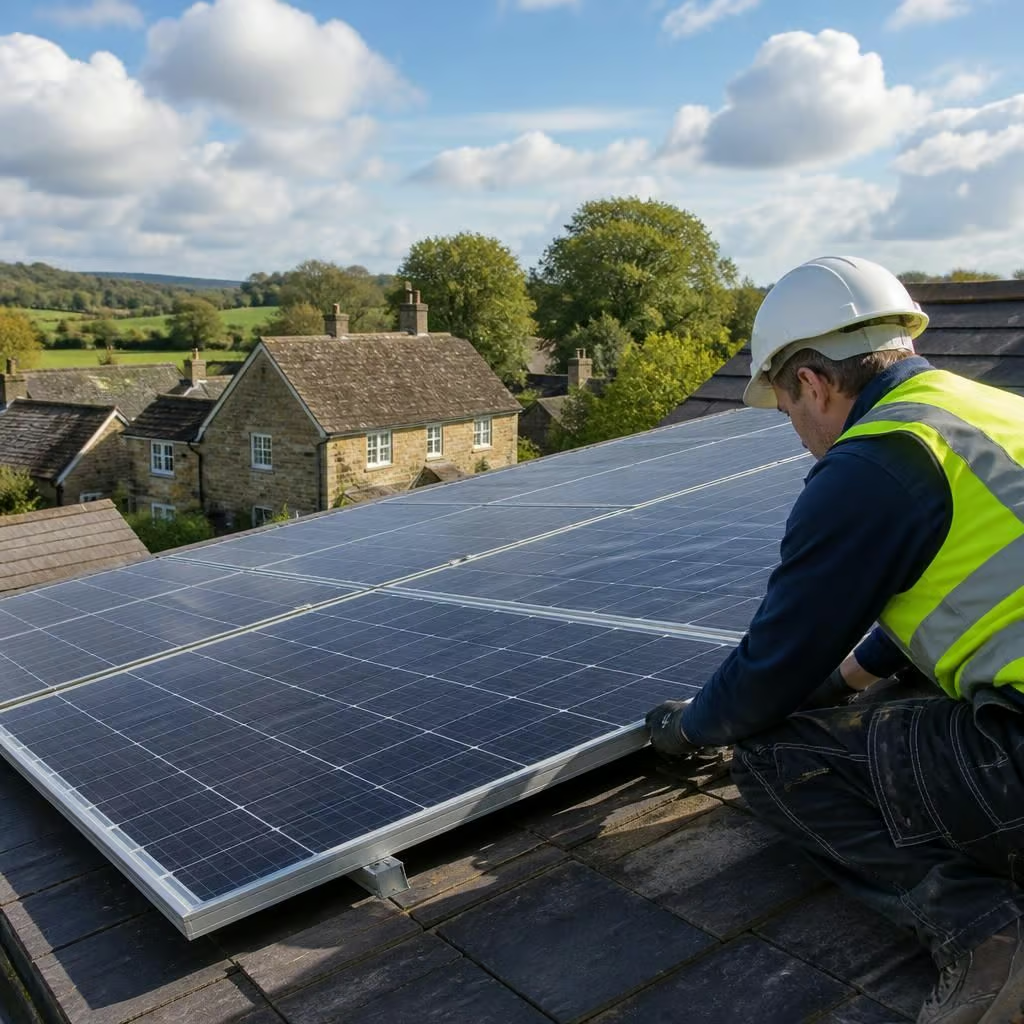
How does solar PV turn sunlight into usable electricity?
Solar PV cells absorb daylight and release electrical charge, producing direct current (DC). An inverter changes this into alternating current (AC), which your home or business can use to power appliances, with surplus electricity sent to a battery or exported to the grid.
Solar PV works by converting the energy in light into electrical charge, then conditioning that electricity so the appliances, battery and grid can use it safely. The process continues in daylight, including on bright overcast days, because panels respond to light rather than heat.
Each panel contains photovoltaic cells made from semiconductor material. When light reaches a cell, its energy disturbs electrons within the material. The cell’s internal electrical field directs those electrons into a circuit, creating a flow of electricity. A single cell produces only a small amount, so manufacturers connect many cells inside each panel and combine several panels into strings.
The amount of electricity available changes throughout the day. A clear, south-facing roof usually receives stronger sunlight, but east- and west-facing roofs can also produce useful energy at different times. Cloud, shade, dirt, snow and a low sun can all reduce output. Panels do not need direct, uninterrupted sunshine to generate electricity, although direct sunlight normally gives the highest output.
The inverter controls what happens next. It continually adjusts the electrical conditions in the panel strings to draw out as much available power as possible. It then changes the electricity into the form used by standard household circuits. The inverter also monitors voltage and frequency, and disconnects the PV system if the grid supply fails. That prevents electricity being sent into cables while the network is being repaired.
Once the inverter has conditioned the electricity, it feeds into the property’s consumer unit. Appliances use available generation first. If the panels are producing less than the home needs, the balance comes from the grid or a battery. If they are producing more, the surplus can charge a compatible battery or pass through the export meter to the grid.
A battery can alter when the electricity is used. It stores suitable surplus during the day and releases it later, such as in the evening when lights, cooking and other appliances are running. The battery does not create additional energy; it helps shift the use of generated electricity to a more useful time. The system design needs to account for battery capacity, charge and discharge limits, location and the home’s demand pattern.
Solar output is not the same as the panel’s quoted maximum rating. That rating describes controlled test conditions. Real production depends on roof direction and pitch, shading, cable runs, inverter settings, local weather and the age and condition of the equipment. A small chimney shadow can affect only part of a roof or can reduce the output of several connected panels, depending on the layout.
For this reason, a proper design starts with the roof rather than a standard package. We assess the roof surfaces, shading, panel position, cable route, consumer unit and meter arrangement. On an older property, we also look at the roof structure, the condition of the electrical installation and any restrictions affecting a listed building or conservation area. Those checks show whether the proposed system needs additional electrical work or a different panel arrangement.
The inverter and monitoring equipment then show how the system is performing. A monitoring portal can display generation, household use, battery activity and export. These readings help identify a tripped circuit, an unexpected fall in production or a battery that is not operating as intended. They also show when appliances are using the most electricity, which can help with decisions about timers and energy use.
Solar PV is connected to the property’s electrical system, so the installation includes protective devices, isolation points, earthing and suitable labelling. We check the existing consumer unit and explain any upgrade needed before work starts. The panels, inverter and battery are then tested as a complete system, with the electrical paperwork provided after commissioning.
If exporting electricity matters, the installation must meet the relevant requirements for the network and export supplier. Our MCS certification allows us to make a Boiler Upgrade Scheme application where a qualifying heat pump is part of a wider project, and it makes an eligible solar installation suitable for the Smart Export Guarantee. Tariffs and application rules can change, so we confirm the current position rather than use an old headline figure.
The practical result is a system that turns available daylight into electricity for the property, with generation changing naturally as the light changes. We work out the likely production, battery use and export from the roof and electrical demand, rather than treating every home as the same.
Solar PV produces a changing amount of electricity rather than a fixed daily supply. Longer, brighter days usually bring more generation, while shorter winter days provide less time and light for the cells to work.
That seasonal pattern matters when we assess how much of the electricity your home can use directly. We compare the expected generation profile with your household demand, then explain what the panels, battery and grid connection can each provide at different times of year.