
What size solar PV system does my home need?
The right solar PV system size depends on your electricity use, available roof space, orientation, shading and how much power you can use at home. We assess these factors together, then recommend a panel and battery capacity that suits your property rather than simply fitting the largest system possible.
The right solar PV size is the one that matches the electricity your home can use, not simply the largest array that fits on the roof. A system that is too small may leave useful roof space unused. A system that is too large can send more electricity to the grid than your household can make practical use of.
Start with your electricity use. We look at recent bills, smart meter information and the appliances that use the most power. This shows the difference between your total annual consumption and the times when demand is highest. A home that uses electricity during the day can use more of its generation directly. A home that is empty through the day may need a different panel and battery arrangement.
Your present usage is only part of the decision. If you are planning an electric vehicle, heat pump, immersion heater or other major electrical load, we include that in the design. It is usually better to allow for a genuine change in demand than to size the system around a lifestyle that is about to change.
Panel capacity is expressed in kilowatt-peak, or kWp. This describes the maximum rated output of the panels under standard test conditions. It is not the amount of electricity the system will produce every day. Actual generation varies with the season, weather, temperature and the way the panels are arranged.
We measure the usable roof sections rather than treating the whole roof as available. Chimneys, roof windows, valleys, edges and access routes can all affect the number of panels that can be installed. The roof structure and cable route also matter. On an older property, we check how the array can be fixed without creating problems for the roof covering or the building below.
Panel layout can affect the inverter design. Separate roof sections may receive sunlight at different times, and some panels may be affected by nearby obstructions. We account for those differences when selecting the electrical arrangement, so one shaded or differently positioned section does not unnecessarily limit the rest of the array.
A battery should be sized around surplus generation and household demand. It stores electricity that would otherwise be exported, then makes that energy available when the panels are producing less. A larger battery is not automatically more useful. If the array rarely fills it, or the home cannot use the stored electricity, extra capacity adds cost without improving the day-to-day use of the system.
We compare the expected generation profile with your usual evening, overnight and daytime demand. That helps establish whether battery storage is worthwhile and what capacity is sensible. The battery may also need to work with an EV charger or other future load, but we avoid treating every possible appliance as a reason to install more storage than the property needs.
The best design may not use every possible roof position. A smaller array with good self-consumption can suit one household, while another may benefit from more panels and planned export. We explain that distinction clearly, including how much electricity you are likely to use on site and how much may be sent to the grid. MCS certification means we can make the installation eligible for the Smart Export Guarantee, subject to the relevant supplier and scheme requirements.
On a listed or unusual building, the available area may be limited by planning requirements or the appearance of the property. That does not automatically make solar PV unsuitable, but it can change the layout and the expected output. We identify those constraints before recommending a system rather than designing around roof space that cannot be used.
Our design process turns these details into a system recommendation. We review your usage, discuss planned changes, inspect the roof and electrical installation, and calculate the likely generation and storage behaviour. The quotation should then show the proposed panel capacity, inverter and battery arrangement, expected use of the generated electricity, and any work needed to connect the system safely.
If the existing consumer unit, cabling or earthing needs attention, we include that in the electrical assessment. This matters particularly in older homes, where the solar installation may expose a separate issue with the existing installation. You should know about that work before deciding on the array size, not after the panels have been ordered.
There is no single correct system size for every home with the same number of occupants. We recommend the capacity that fits the property, its electrical demand and your plans for using the energy. That gives you a clear basis for comparing quotations without choosing panels or storage solely because they have the highest headline capacity.
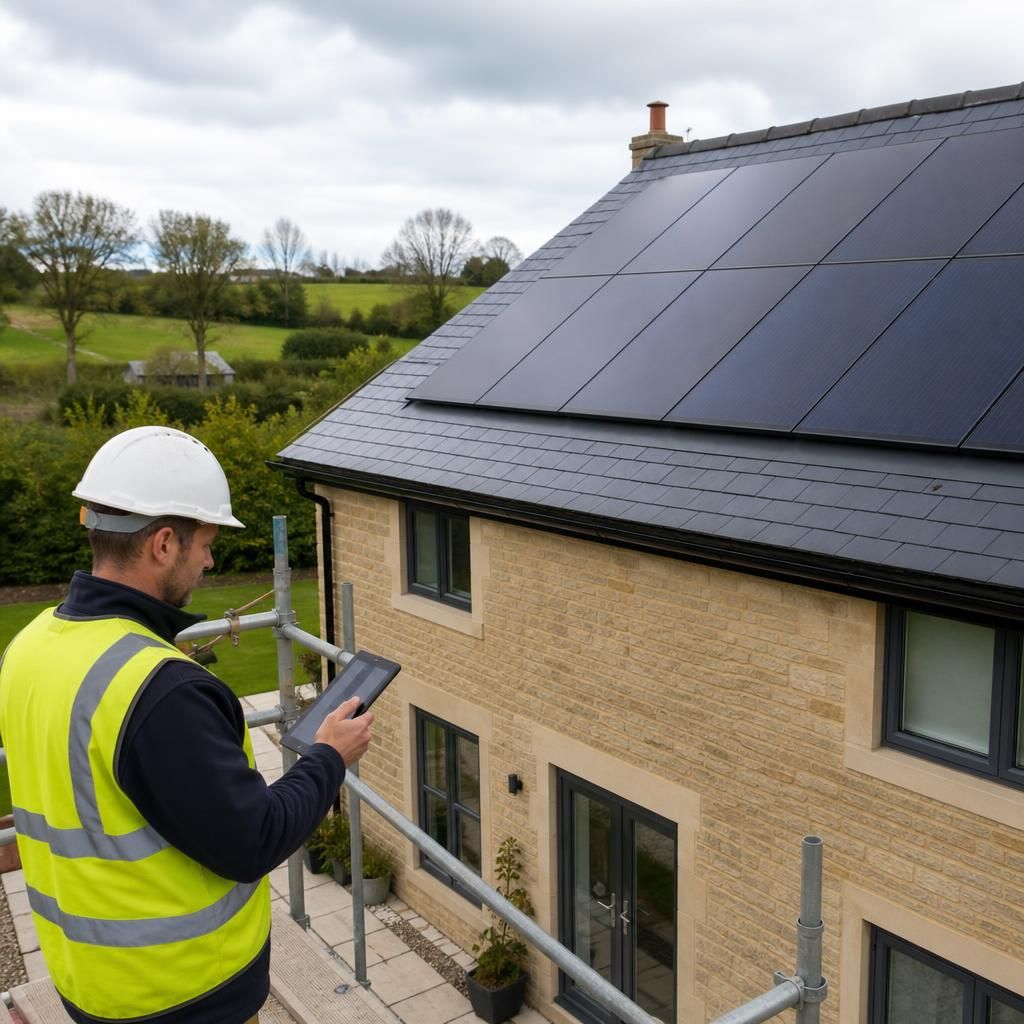
Roof space isn’t the only limit on system size. The electricity connection may restrict how much generation can be exported, particularly where the local network has limited capacity.
We check the proposed array against the inverter, consumer unit and grid connection before confirming the panel count. If the network operator requires an application or additional equipment, we include that in the design rather than assuming every available roof section can be used.
This also helps explain the difference between panel capacity and the system’s usable output. Panels do not produce their maximum rated power throughout the day, so the inverter is selected to work with the array’s expected generation profile. The result is a system that fits the roof and the electrical connection, not just a headline kWp figure.