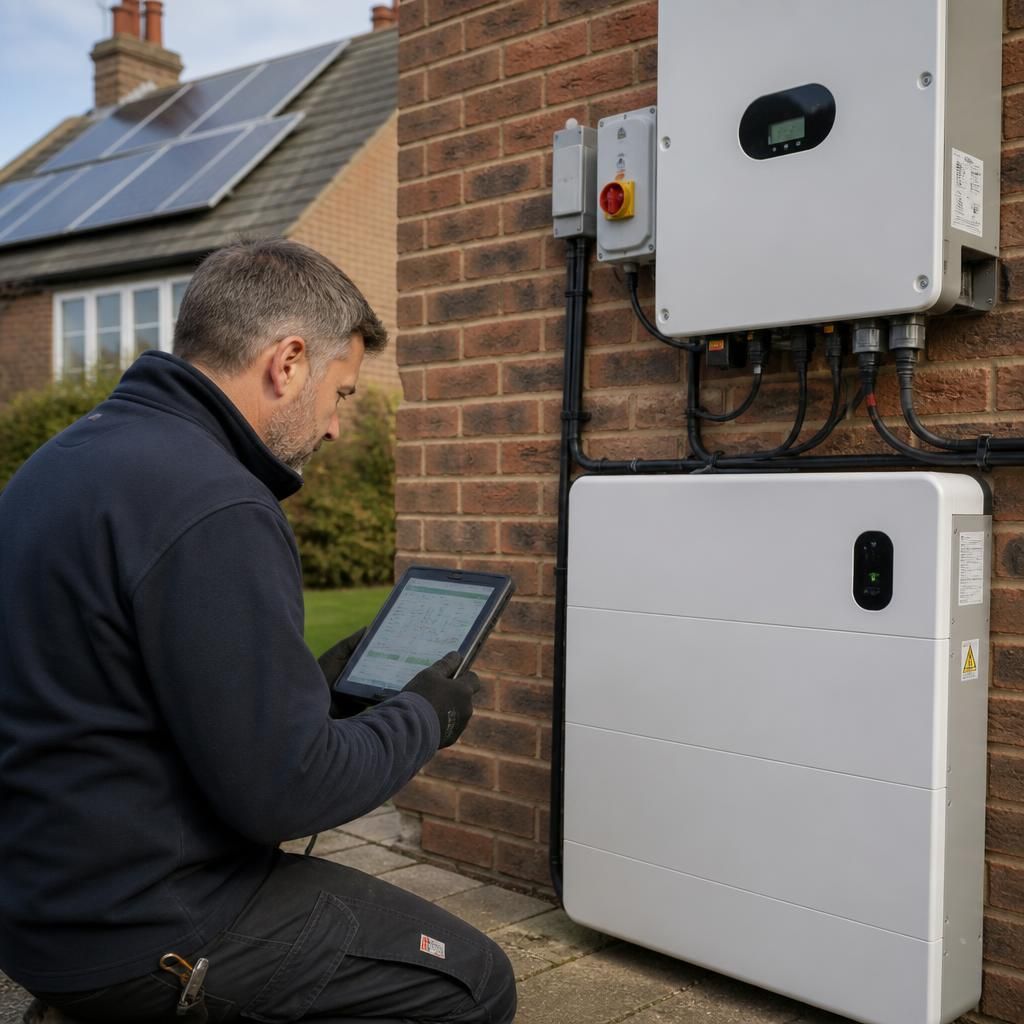
How long does a home solar battery last?
A home solar battery is designed to last for many years, although its usable capacity gradually falls with age and use. The actual lifespan depends on the battery chemistry, charge cycles, temperature, system settings and how well the installation is maintained.
A home solar battery does not have a single fixed expiry date. It normally remains usable for many years, then gradually stores less energy as its cells age. The right time to replace it depends on the capacity you still need, its condition, the manufacturer’s warranty terms and the cost of restoring the system.
“How long it lasts” can mean two different things
There are two useful ways to think about battery life:
- Service life: how many years the battery can remain installed and operating.
- Usable energy per charge: how much electricity it can provide before it needs charging again.
A battery may still work after its original capacity has reduced. For example, it might continue covering evening lighting and appliances, but no longer provide enough energy for the whole home overnight. That gradual reduction is different from a sudden failure.
What causes capacity to reduce?
Every time the battery charges and discharges, its cells undergo a small amount of wear. Frequent deep discharges generally place more demand on the cells than shallow daily use. The battery management system controls this process, including charging limits and reserve levels, but ageing cannot be stopped completely.
Heat is another important factor. A battery installed in a very hot, poorly ventilated space may age faster than one kept within the manufacturer’s specified conditions. A cold or damp location can also affect operation. That matters in older homes, garages, outbuildings and converted rural properties, where the most convenient wall is not always the best location.
The size of the battery also affects how hard it works. A battery that is regularly asked to supply a large home load may complete more cycles than one serving a smaller, more predictable demand. We look at expected electricity use, solar generation and the intended reserve before deciding how the system should be operated.
How the battery’s condition is monitored
The battery and its inverter record useful information about performance. Depending on the equipment, this may include state of charge, energy flows, fault codes and charging history. The app can show whether the battery is filling from the panels, supplying the home or exporting surplus electricity.
A single low reading does not automatically mean the battery is failing. Winter solar generation, unusually high household demand, a changed reserve setting or a communication fault can all reduce the energy available on a particular day. We compare the recorded performance with the system design and the manufacturer’s operating requirements before recommending any work.
Signs that an assessment is worthwhile
Ask for the system to be checked if you notice a persistent change rather than a one-off variation. Useful warning signs include:
- the battery reaches full charge unusually quickly and empties soon afterwards;
- the home uses more grid electricity despite similar habits and solar generation;
- the app shows repeated faults, communication errors or unexpected shutdowns;
- the battery no longer follows its programmed charging or discharge settings;
- the inverter or battery shows a warning that does not clear after following the manufacturer’s instructions.
Unusual heat, a damaged casing, swelling, a sharp chemical smell or smoke needs immediate attention. Do not open the battery or attempt a repair. Keep away from damaged equipment and contact a suitably qualified installer or the manufacturer’s stated emergency service.
What the warranty tells you
The warranty is not only about the number of years stated in the paperwork. It may also set out a permitted number of cycles, a minimum retained capacity, operating conditions and requirements for approved installation or servicing. These terms differ between battery systems, so the original documents matter.
Keep the installation records, commissioning information and warranty details together. If a claim becomes necessary, the manufacturer may need the model, serial number, installation date and evidence of the fault. We check those details alongside the battery’s actual performance rather than judging its age alone.
Does a solar battery need regular servicing?
Most of the work happens through the battery management system and monitoring platform, so there is no routine fuel delivery or user maintenance like there is with an oil-fired heating system. You should keep vents and access areas clear, avoid storing unsuitable materials around the equipment and follow the manufacturer’s instructions for updates and monitoring.
A system review is sensible if solar panels are added, household electricity use changes, the battery is moved, the internet connection is altered or the monitoring stops reporting correctly. We can check the electrical connections, settings, fault history and relationship between the solar inverter, battery and consumer unit.
What happens when the battery reaches the end of its useful life?
Replacement is not always the first step. If the battery’s performance has changed suddenly, a fault in the inverter, wiring, controls or communications may be responsible. We identify the cause before treating reduced output as cell degradation.
If the cells have genuinely reached the end of their useful service, the available choices depend on the equipment. A compatible replacement battery, an approved module replacement or a wider system upgrade may be possible. We check compatibility with the existing inverter, solar array, protection equipment and monitoring before recommending an option.
A household battery must not be put in general waste. When replacement is needed, the old unit should go through the appropriate manufacturer or specialist recycling route. We include the removal and disposal arrangements in the written quotation, so the work and its cost are clear before it starts.
How we assess a battery that is losing performance
Your electricity use may have changed since the battery was installed, so we first compare the current demand with the original design. We then review monitoring data, inspect the equipment and check the manufacturer’s warranty position. That tells us whether a setting change, repair, warranty claim or replacement is the sensible next step.
For a new installation, the same assessment starts before any equipment is selected. The battery size, location, reserve level and charging strategy should match the way the home uses electricity. This avoids paying for capacity that sits unused or choosing a system that is regularly worked too hard.
A battery can seem to have become less effective when the real change is in the home. An electric vehicle, heat pump or new electric appliances can increase evening demand without affecting the battery’s condition.
We compare the battery’s recorded output with the home’s current usage before recommending replacement. That shows whether the cells are ageing or the system now needs a different capacity and discharge setting.