
How disruptive is a home battery installation?
A home battery installation is usually contained to the battery location, consumer unit and cable route, rather than involving work throughout the house. We agree access, explain any drilling or cable runs beforehand, and leave the area tidy when the system is commissioned.
Expect some drilling, visible cable work and a controlled loss of power while we connect the battery. The amount of disruption depends mainly on the mounting surface, cable route and whether the system needs changes at the consumer unit.
Most of the work takes place in one part of the property. We protect floors and nearby surfaces before bringing equipment in, then keep tools, packaging and removed materials together rather than spreading them through the house.
Drilling and fixing: A wall-mounted battery needs a suitable fixing point. We drill for the mounting hardware and cable clips, which creates some short-lived noise and dust. A floor-mounted system still needs a stable, accessible base and electrical connections.
Your wall construction matters. Solid masonry, blockwork, timber framing and older building materials each need a different fixing method. We do not assume that a wall is suitable because it looks solid. If the proposed position is in a barn conversion, listed building or older property, we take care not to damage important finishes or unsuitable fabric.
Cable routes: The route may run through a garage, utility room, loft, cupboard or external wall. Surface-mounted conduit or trunking normally avoids opening up large areas of plaster. If you want cables hidden inside walls, that creates more dust, making good and decoration afterwards. We explain the difference before work starts rather than treating concealed cabling as a minor detail.
A battery installed alongside existing solar panels will usually involve work around the inverter, isolators and consumer unit rather than on the roof itself. We check that the existing equipment can work with the proposed battery. If an inverter or protection device needs changing, we include that in the quotation and explain why.
Loss of electricity: We isolate the relevant circuits while making the electrical connections. Depending on the arrangement, this can affect the whole property for part of the installation. Fridges, freezers, computers and other sensitive equipment should be shut down as we advise. We restore the supply before commissioning and confirm that the circuits are operating correctly.
A backup system needs additional switching and wiring so that selected circuits can remain supplied during a grid failure. That work is different from a battery that only stores electricity for later use. If backup matters to you, we identify which circuits you want protected and explain the extra equipment and installation work before you decide.
Rooms and access: The battery needs clear working space around it for installation, inspection and future servicing. Move stored items, garden equipment or boxes away from the proposed position before we arrive. Keep children and pets away from the work area while tools and electrical equipment are in use.
A garage or outbuilding may reduce disturbance inside the living space, but it still needs suitable access, weather protection and a safe cable route back to the house. A utility room or plant room can be convenient, provided the battery has the clearances required by the equipment manufacturer. We also consider heat, moisture and the effect of the location on everyday access.
How long will it take? We set out the expected installation timescale after assessing the property. A straightforward battery connection with a short cable route is less involved than a system requiring consumer unit alterations, a long route between buildings or concealed cabling. We tell you what the work includes so you can plan around the interruption without relying on a generic estimate.
The final stage is not simply switching the battery on. We check the electrical connections, protective devices, battery controls and communication between the system components. Where an app or online monitoring platform forms part of the system, we help you understand what it shows and which settings affect charging and exporting.
We then explain the controls, what normal operation looks like and what to do if the system reports a fault. You receive the relevant installation information and paperwork, with the system left in a usable condition rather than needing another visit to make sense of it.
What happens if we find a problem? An unsuitable wall, damaged existing wiring, limited space in the consumer unit or an incompatible inverter can change the work needed. We stop and discuss the issue before carrying out additional chargeable work. Your quotation sets out the agreed installation, so there are no surprise additions simply because the job is already under way.
By the time we leave, the main signs of the installation should be limited to the battery, its electrical equipment and the agreed cable route. We remove packaging and work materials, tidy the area and leave the property as we found it.
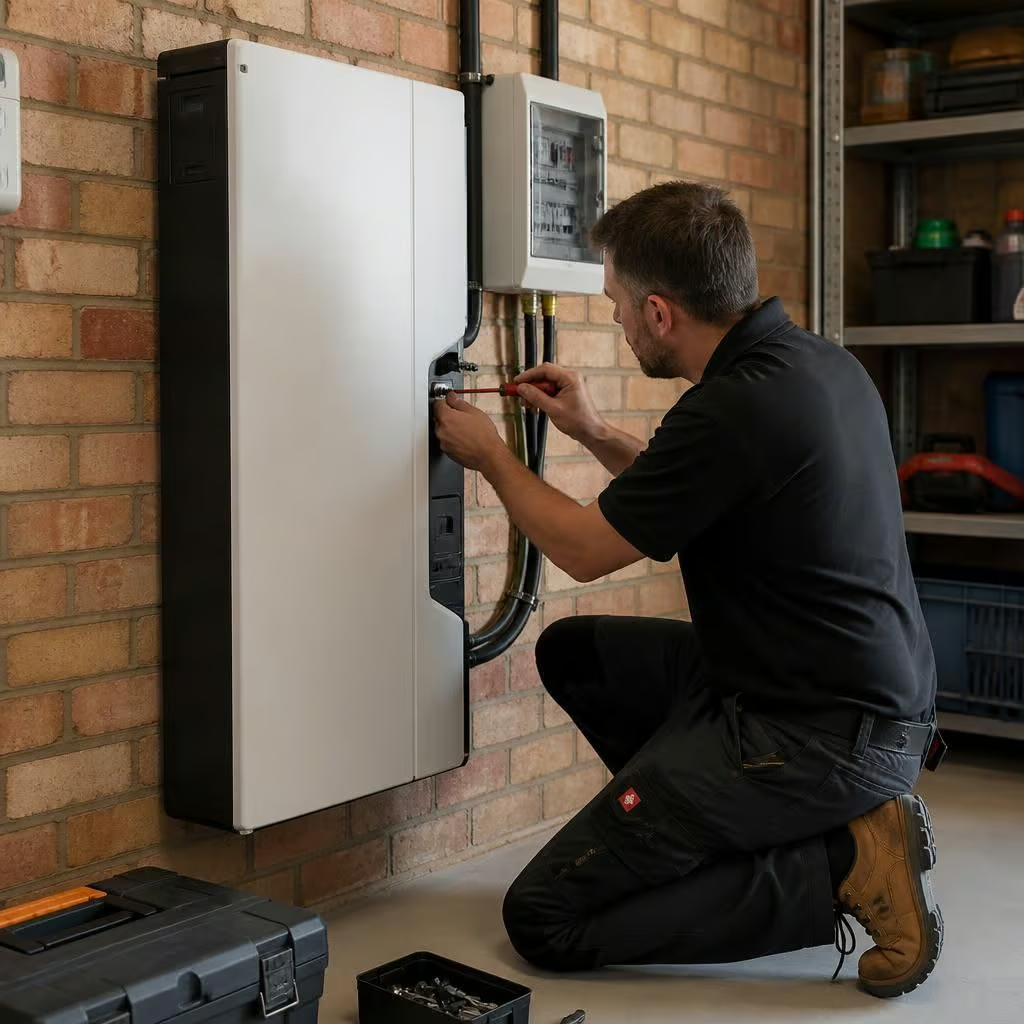
Most homeowners remain in the property while the battery is fitted. You’ll need to keep the work area clear, but there’s normally no need to empty rooms or move furniture throughout the house.
The main point to plan is the temporary power interruption during connection and testing. We’ll explain when this is expected, so you can avoid running essential appliances or relying on electrically powered equipment at that point.