
Can I use a portable solar generator indoors?
Yes, a portable solar generator can usually be used indoors because it stores electricity in a battery rather than burning fuel. Follow the manufacturer’s instructions, keep the unit dry and well ventilated, and never use a petrol or diesel generator inside your home, garage or other enclosed space.
The important distinction is how the battery unit is placed, charged and connected. A portable solar generator needs a dry, stable, well-ventilated position with clear space around its air inlets and outlets. It should remain easy to reach, so you can switch it off or unplug equipment if it becomes hot or starts behaving abnormally.
Choose the position carefully. A solid floor or sturdy work surface is safer than a bed, sofa or pile of clothing. Keep the unit away from radiators, cookers, direct sunlight and other heat sources. Do not cover it with blankets or store items on top of it. Airflow keeps the inverter and battery within their intended operating temperature.
Keep the unit away from sinks, bathrooms, damp utility rooms and areas where water could splash. Moisture can damage the electronics and create an electric shock risk. A garage may be unsuitable if it is damp, dusty or exposed to frost. Check the operating and storage temperatures in the manual before leaving the unit there.
Charging needs the same care as use. Use the supplied charger, cable and connectors unless the manufacturer specifically approves an alternative. Put the unit on a non-combustible, unobstructed surface while it charges. Avoid charging it beneath a desk, inside a cupboard or where heat cannot escape.
Inspect the battery casing, charger and leads before each use. A cracked case, swelling, unusual smell, leaking fluid, damaged cable or excessive heat is a reason to stop using the unit. Do not open the battery or attempt a repair yourself. Isolate it if this can be done safely, then follow the manufacturer’s instructions for inspection or disposal.
Match the load to the unit. Check both the continuous output rating and the short-term surge rating. A kettle, heater, microwave, pump or power tool may draw more than its stated running power when it starts. Connecting too much equipment can trip the inverter, overheat the unit or drain the battery quickly.
Use only sound extension leads and plugs, and keep cables away from water, walkways and heat. Do not daisy-chain extension leads. If a plug, socket or cable becomes hot, smells of burning or shows discolouration, switch off the supply and stop using it.
Do not connect it to the home’s fixed wiring without proper isolation. Plugging a portable unit into a wall socket with a male-to-male lead can energise parts of the installation in an uncontrolled way. It can also put electricity back onto the supply network and endanger anyone working on it. A portable unit should normally power appliances directly through its own outlets.
If you want backup power for selected household circuits, we can assess the installation and specify the correct changeover equipment. That work needs to account for the consumer unit, earthing arrangement, circuit loads and the portable generator’s output. A simple plug-in device is not a substitute for a properly designed backup supply.
Keep the unit accessible during a power cut. Don’t place it behind furniture or in a locked cupboard. A smoke alarm in the room is sensible, and everyone using the equipment should know how to turn it off. If the unit starts smoking, produces a strong chemical smell or becomes dangerously hot, leave the area and contact the emergency services if there is a fire. Don’t handle a damaged battery.
Solar charging does not make the indoor setup risk-free. The solar panel and its cable remain outside or in the position specified by the manufacturer, while the battery unit stays protected from rain and condensation. Keep the cable connectors dry, undamaged and free from strain. Never use a panel or cable combination that the manufacturer has not approved.
Before using the unit, read the instructions for indoor operation, charging, storage and maximum loads. The manual takes priority because battery chemistry, cooling arrangements and protective controls differ between models. If the intended use involves fixed wiring, high-power appliances or several circuits, arrange an electrical assessment rather than improvising a connection.
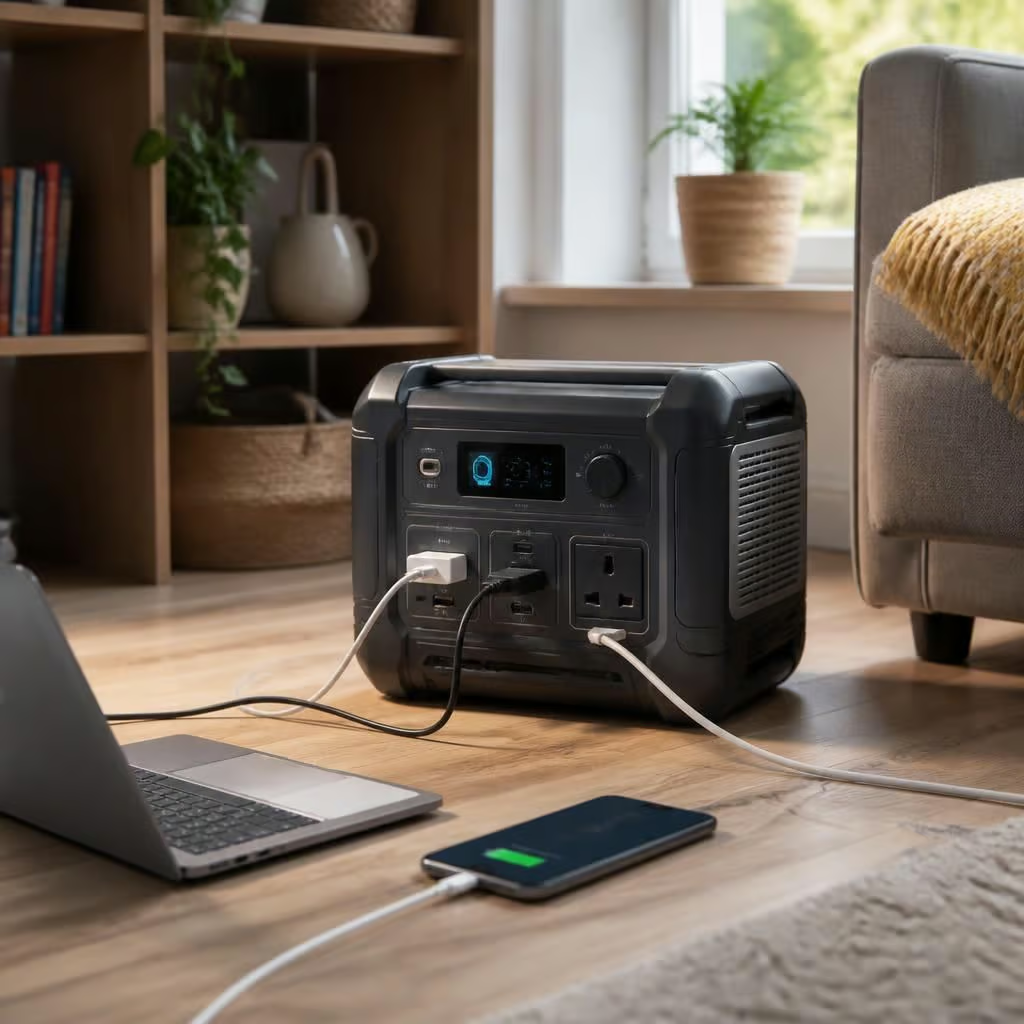
Indoor use is safest when the unit sits in a room where someone can notice a fault quickly. Avoid leaving it running unattended for long periods, especially while charging. If the casing becomes unusually hot, swells, hisses or gives off an unfamiliar smell, stop using it and move people away from the area. Don’t carry a damaged battery or put it in a vehicle.