
Can a solar battery be added to an existing solar PV system?
Yes, a battery can be added to many existing solar PV systems, but compatibility depends on the panels, inverter, wiring and available space. We assess the existing installation first, then recommend the battery arrangement and any inverter changes needed for safe, effective operation.
In many cases, an existing solar PV system can take a battery. The important question is how the panels, inverter, meter and consumer unit work together. A battery added without checking those parts may charge poorly, restrict solar generation or need further electrical work.
The existing inverter is usually the deciding factor. An AC-coupled battery has its own battery inverter and connects to the AC side of the installation. This approach can suit an older PV system because the existing solar inverter remains in place. A DC-coupled system connects the panels and battery through a compatible hybrid inverter. That can reduce conversion losses, but it may mean replacing the existing inverter and altering the PV wiring.
Your inverter may not support battery charging, or it may not communicate correctly with a proposed battery. We record the make, model, age and specification of the existing equipment before recommending an arrangement. We also check whether the inverter is still supported and whether its warranty could be affected by adding equipment.
The age of the PV system matters. Older installations can have an inverter near the end of its working life, outdated protection equipment or cabling that does not suit the proposed battery. Replacing the inverter at the same time can make the system more reliable and easier to monitor, but it changes the cost and scope of the work. We separate essential upgrades from optional improvements in the quotation.
We check the available space and cable routes before choosing the battery position. The unit needs suitable clearances, a stable surface and access for inspection. A garage, utility area or external wall may work, but the location must follow the battery manufacturer’s installation requirements. Long or difficult cable routes can add labour and may affect where the battery can reasonably go.
Your home’s electrical installation also has to accommodate the extra equipment. We inspect the consumer unit, earthing, isolation points and protective devices. We check the main fuse, existing generation controls and the way electricity flows between the PV system, battery and house. CT clamps or other monitoring equipment must be positioned correctly, otherwise the battery may charge or discharge at the wrong time.
We review the system’s export limit as well. A battery can change how much electricity reaches the grid, but it does not automatically remove the limit imposed on the installation. Where the proposed equipment affects the connection, we deal with the relevant notification or approval requirements and explain any restriction before work starts.
A battery does not automatically keep the lights on during a power cut. Standard battery installations normally shut down when the grid fails. Backup operation needs compatible equipment that isolates selected circuits safely from the grid. If you want this function, we assess which circuits matter most and whether the existing installation can support a separate backup supply. The extra equipment and wiring form part of the quotation rather than appearing as an assumption.
Your existing panels may still be suitable even if they produce less than when they were new. We look at their condition, output and likely future generation rather than sizing the battery from the panel rating alone. Household demand matters too. A battery that is too large may sit partly unused, while one that is too small may not hold enough of the solar energy you want to use later.
We use your electricity consumption and generation information to estimate how the battery would operate at the property. Recent bills, smart meter data and PV monitoring records are useful. They show when the home uses electricity and how much solar energy is currently exported. That gives a more useful recommendation than choosing a battery on capacity alone.
Adding storage may also affect existing export arrangements or renewable-energy paperwork. We check the installation records and the terms applying to the existing system before changing it. Where the new work needs certification for export registration, MCS-certified installers can provide the relevant route for the installation. We explain what you need to submit and what remains the responsibility of the energy supplier or network operator.
The cost depends mainly on the condition of the existing system and the type of connection. A straightforward AC-coupled installation may involve the battery, inverter, protection and monitoring equipment. A DC-coupled retrofit may involve an inverter replacement, PV rewiring and additional commissioning. Difficult access, a long cable run, consumer unit changes or backup circuits can increase the work involved.
We survey the installation before pricing it. The survey covers the panels, inverter, consumer unit, meter position, earthing, battery location, cable route and network requirements. We then provide a written quotation before work starts, showing the equipment and any recommended upgrades separately. That gives you a clear choice if the existing inverter can remain in service but is not the best long-term option.
On the installation day, we isolate the relevant circuits, fit the battery and associated protection, connect the monitoring equipment and test the system. Some work may require a temporary interruption to the electricity supply. We keep the cable route as direct and tidy as the property allows, then explain the controls and monitoring once the system is commissioned.
An existing solar PV system is therefore not a barrier to battery storage, but it should be treated as an electrical upgrade rather than a simple add-on. We can tell you whether the present inverter can stay, whether a hybrid inverter is more appropriate and which changes are genuinely needed for safe operation.
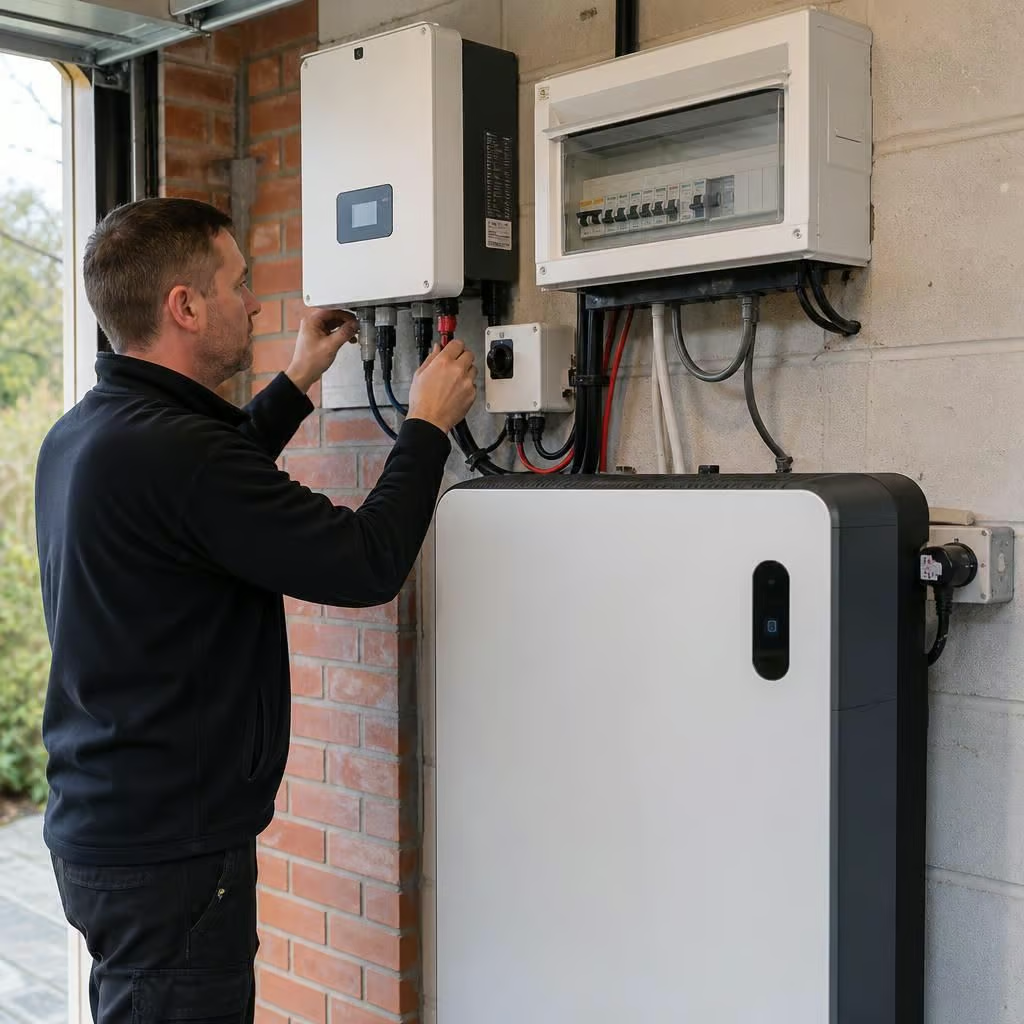
The quickest way to establish whether a retrofit is practical is to gather the existing system details before the survey. The inverter make and model, installation certificate, recent electricity bills and PV monitoring records show how the system currently operates.
Clear photos of the inverter, consumer unit, meter and proposed battery location also help us identify likely access and connection issues. We can then focus the survey on compatibility, rather than treating the installation as a new system from scratch.