
Will a solar battery provide backup power during a power cut?
Yes, but only a battery system designed for backup can keep selected appliances running during a power cut. We install the required backup equipment and connect essential circuits, so the fridge, lighting or heating controls can continue working while the mains supply is down.
A battery backup system can keep selected appliances running during a power cut, provided the battery, inverter and electrical installation are designed to operate safely without the grid. It will not usually power every appliance in the house, and it will not run indefinitely.
What happens when the power fails? The system detects the loss of the grid and separates the backup circuits from the incoming supply. The battery inverter then supplies those circuits from stored energy. This prevents electricity flowing back into the network, which could put people working on the supply at risk.
The changeover may be almost seamless for ordinary household equipment, but it is not the same as a dedicated uninterruptible power supply. Computers, medical equipment and other sensitive devices may need separate protection. We can identify those requirements during the electrical survey.
Which appliances can stay on? Most installations use a backup or essential-loads board. This keeps the circuits that matter during an outage separate from high-demand appliances. Suitable circuits may include:
- Refrigerators and freezers
- Lighting
- Internet routers and communications equipment
- Security systems and alarms
- Boiler controls, pumps and heating controls
- A selected number of sockets
Electric showers, ovens, immersion heaters and large heating systems can use a substantial amount of power. They may drain the battery quickly or exceed the inverter’s output. We assess each load rather than assuming that the battery can run the whole property.
An oil or LPG boiler may continue heating an older home if its controls and circulation pump are connected to the backup supply. The boiler itself may use little electricity, but the heating system still needs the correct circuits and enough battery capacity. A heat pump generally needs more careful planning because its compressor and ancillary equipment place a greater demand on the inverter.
How long will the backup last? The answer depends on the battery’s usable capacity, the inverter output and what is running at the time. A fridge, router and a few lights use far less energy than an electric cooker or immersion heater. A battery with charge remaining can therefore support essential equipment for longer when non-essential loads stay disconnected.
Most systems allow a reserve charge to be kept for an outage. If the battery reaches its minimum charge, the backup supply stops rather than damaging the battery. Solar panels may recharge it during daylight, but only where the inverter and controls are designed to keep the panels operating while the grid is down. A standard grid-connected solar installation normally shuts down during a power cut.
Can the whole house be backed up? It is possible in some properties, but it requires a larger inverter, sufficient battery capacity and an installation designed around the home’s maximum demand. Even then, the system may need load management to prevent several high-power appliances starting together. Selective backup is often the more practical arrangement because it protects the important circuits without sizing the equipment for every possible load.
What does the installation involve? We start by reviewing the existing solar PV system, consumer unit, main fuse, earthing arrangement and the appliances you want to keep operating. We also check where the battery and inverter can be installed, how cables can be routed and whether the equipment will remain accessible for inspection.
Where the existing consumer unit cannot accommodate the required protection, we may need to alter it or add a separate essential-loads board. The finished installation is tested, labelled and explained to you. You should know which circuits remain live during an outage and which appliances must stay switched off.
An older property does not automatically rule out battery backup. Solid-wall homes, barn conversions and rural properties often need more attention to cable routes, outbuildings, consumer units and the separation of essential circuits. If the existing wiring or earthing arrangement needs work first, we explain that before recommending equipment.
Battery backup is also different from simply adding storage to a solar PV system. A storage battery can reduce grid imports without supplying the house during an outage. Backup requires additional control equipment, safe isolation and a clear plan for the circuits that will be supplied.
Our MCS-certified renewable energy team can assess solar generation, battery storage and backup operation as one electrical system. That assessment shows whether backup is technically suitable for the property, which appliances can be protected and what changes the installation will require.
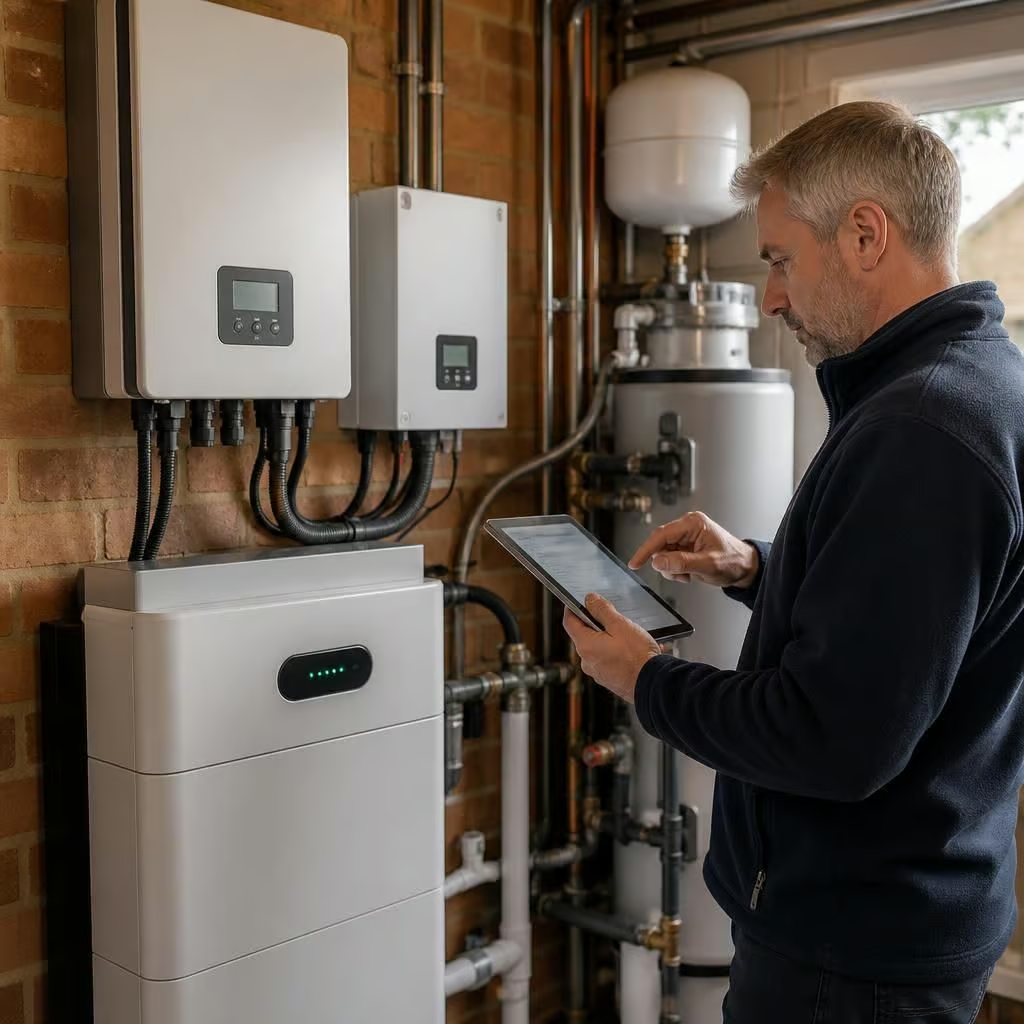
Your fridge, freezer or heating pump may use little power once running, but motors draw more when they start. A battery with enough stored energy can still trip the backup inverter if several motors start together.
We account for these starting loads when deciding which circuits to protect. That helps the backup supply keep essential equipment running without sizing the system for every appliance in the home.