
How long does solar battery installation take?
There isn’t one fixed timescale for solar battery installation: it depends on the survey, battery size, existing solar system and any electrical work required. We confirm the programme after assessing the property, then allow time for fitting, testing and commissioning.
There is no single installation time for every home. A straightforward battery addition can often be completed during one planned visit, but we confirm the actual schedule only after checking the property and the existing electrical system.
The work normally has four stages:
- Survey and design: We inspect the existing solar installation, consumer unit, meter position, cable routes and the proposed battery location. We also check whether the available wall or floor space is suitable and whether the battery can be reached safely for maintenance.
- System checks and planning: Your electricity use and solar generation help determine the useful battery capacity. We check the inverter arrangement and confirm whether the existing equipment can work with the proposed battery. If it cannot, the design may need an inverter change or additional electrical work.
- Installation: We mount the battery, install the protection and isolation equipment, and connect it to the electrical system. The cable route has a direct effect on the time required. A short route through accessible areas is simpler than one through solid walls, multiple floors or finished rooms.
- Testing and commissioning: We test the connections and protective devices, configure the controls and check that the battery charges and discharges correctly. We then explain the monitoring app, operating settings and what to do if the system reports a fault.
An existing solar system can make the job quicker, but it does not automatically make it simple. We still need to establish the age and condition of the inverter, identify how the panels are wired and check that the generation meter and consumer unit are suitable. An older installation may need remedial work before storage can be added safely.
The consumer unit is another common reason for a longer visit. If it has no suitable space, lacks the required protection or shows signs of deterioration, we explain what needs changing before connecting the battery. We do not bypass those checks to make the installation appear quicker.
Battery position also matters. A garage, utility room or suitable outbuilding may provide a practical route, while a remote location can involve longer cables, extra protection and more work around walls or floors. We consider ventilation, access, exposure to weather and the manufacturer’s installation requirements before confirming the position.
For an older or rural property, the building itself can affect the programme. Thick masonry, listed-building restrictions, concealed wiring and detached outbuildings can all add preparation work. We discuss the least disruptive route during the survey rather than making assumptions from photographs.
Most of the work is electrical rather than structural, so disruption is usually limited to the areas where equipment and cables are installed. You may have a planned interruption to the electricity supply while we make and test the connections. We agree the practical arrangements with you beforehand and leave the work areas tidy.
After commissioning, we complete the relevant installation records and explain any remaining administration. Where the solar and battery arrangement qualifies, MCS certification supports eligibility for the Smart Export Guarantee. We tell you what information is needed and do not treat the paperwork as complete until the system details have been checked.
The most reliable way to establish the timescale is to survey the whole system, not just choose a battery from its storage capacity. Once we know the equipment, route and condition of the electrical installation, we can give you a written quotation and a realistic plan for the work.
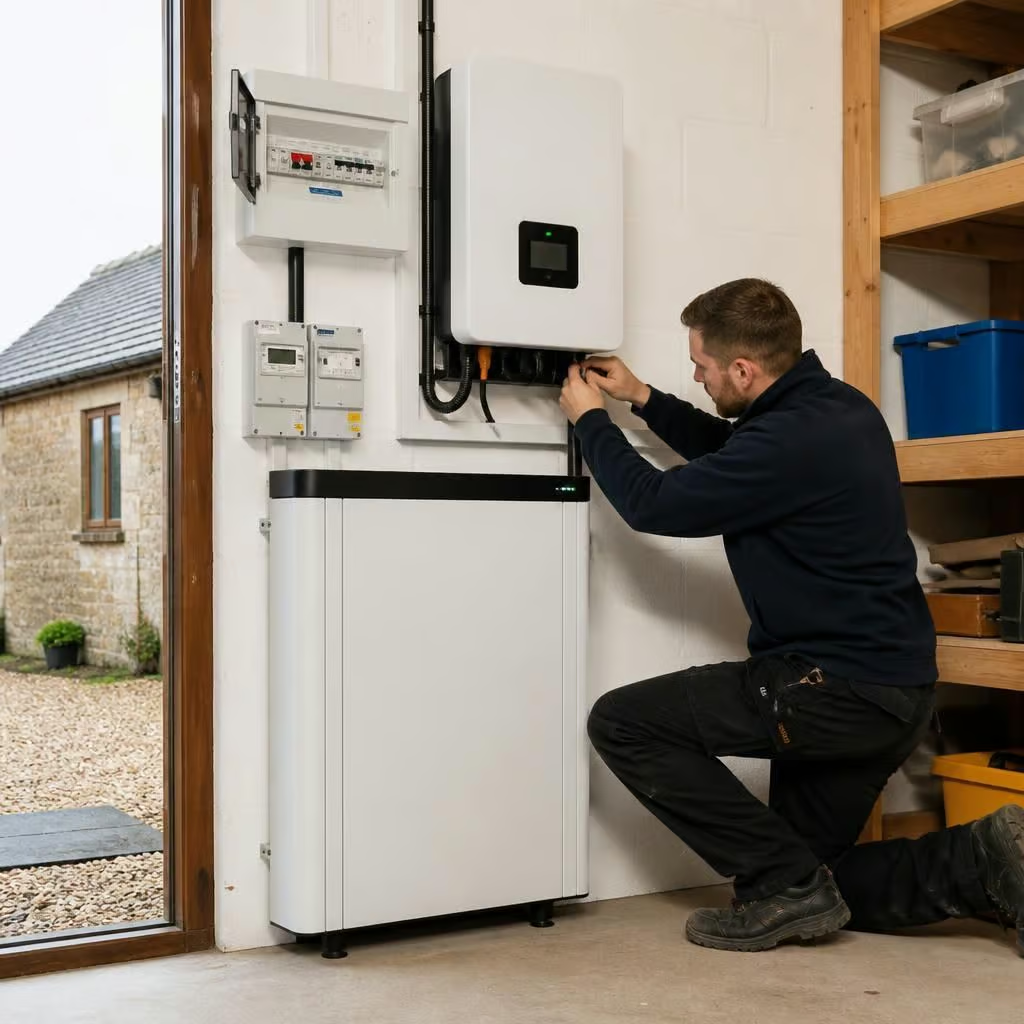
The installation visit runs more smoothly when the agreed battery location and cable route are ready. Please clear stored items from around the equipment and make sure we can reach the consumer unit, meter and any outbuilding involved.
If access changes after the survey, tell us before the work starts. A different position can alter the cable route, protection requirements and time needed on site. Keeping the agreed layout means we can concentrate on fitting, testing and commissioning the system safely.