Which solar battery brand suits my electricity use?
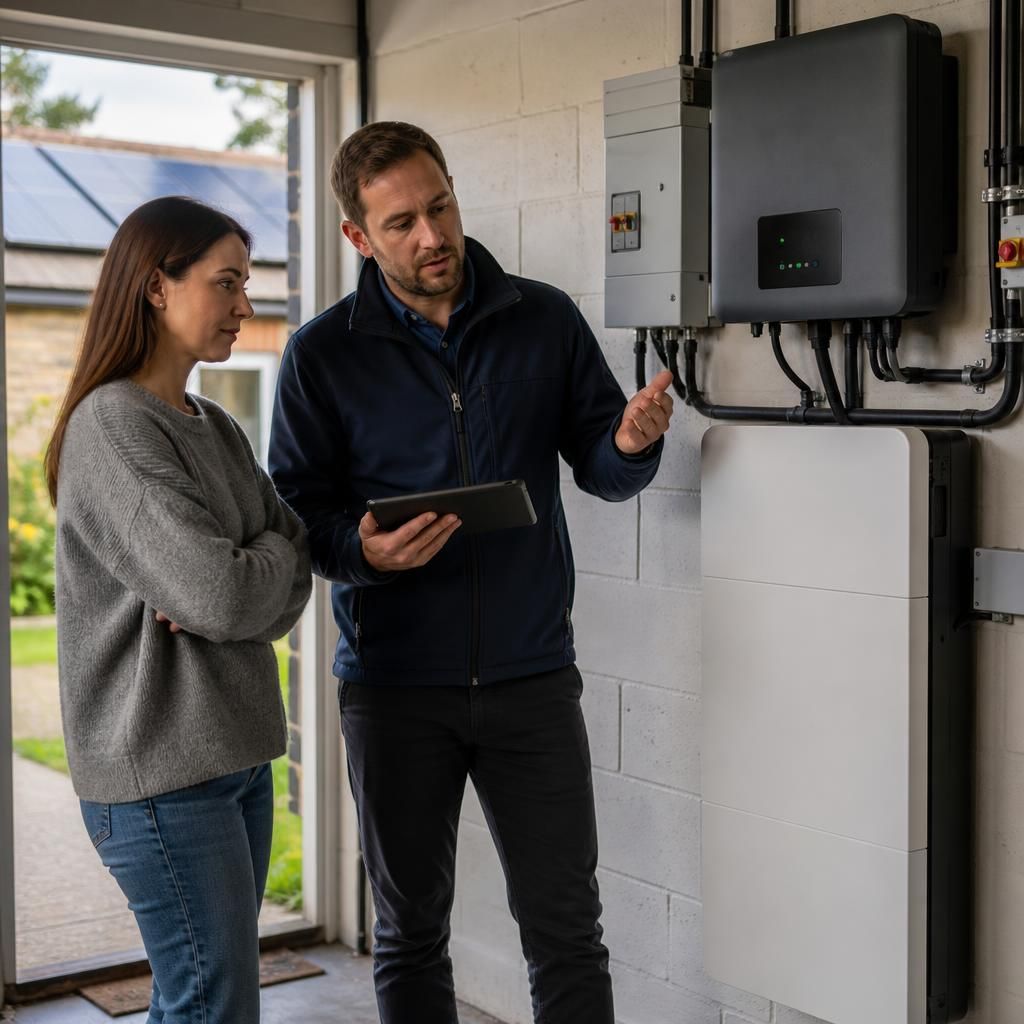
The right solar battery brand depends on when you use electricity, how much you export, your available space and whether you want backup power. We compare options such as Tesla, Sigenergy, Fox ESS and SolarEdge against your usage pattern and existing solar system, then recommend the battery that fits rather than choosing by brand name alone.
SolarEdge, Sigenergy, Fox ESS, Tesla and Panasonic can suit different electricity patterns, but the brand alone does not decide the right battery. We match the battery architecture, usable capacity, controls and warranty terms to how your home generates and uses electricity.
A home that uses most of its electricity in the evening needs a different setup from one that runs appliances during the day. We look at your import and export history, solar generation, heating system, hot-water controls and larger electrical loads. An electric vehicle, immersion heater, heat pump or home office can change the useful size of the battery considerably.
A battery that is too small may fill before your panels have finished generating. A battery that is too large can leave capacity unused. We calculate how much electricity could reasonably move from daytime generation to later use, rather than choosing capacity from the panel size alone.
Your existing solar system also affects the choice. Some batteries connect through the existing inverter, while others use a separate battery inverter or replace part of the system. We check the inverter model, panel arrangement, system age and available space before recommending a brand. That avoids choosing a battery that looks suitable on paper but cannot communicate correctly with the installed equipment.
SolarEdge can be a natural option where the home already uses SolarEdge equipment or where panel-level monitoring is important. The battery, inverter and monitoring platform need to be considered together. We check whether the present system supports the required operating mode before including it in a recommendation.
Tesla is often considered by homeowners who want a clearly defined home battery system with an established app and backup-power options. Backup is not automatic simply because a battery is installed. We confirm whether the property needs selected circuits or wider backup, then check the electrical installation and incoming supply.
Sigenergy suits projects where several energy functions need to work within one coordinated system. That can include battery storage, solar generation and future electrical loads. We assess the available wall or floor space, cable routes and distribution-board capacity before deciding whether its format is appropriate.
Fox ESS and Panasonic may also be suitable where their current battery and inverter combinations match the solar installation and the way the home uses power. Product ranges change, so we assess the current model, not just the manufacturer name. The important checks include usable capacity, continuous output, phase arrangement, operating limits and compatibility with the existing system.
Backup power needs a separate decision. A battery can reduce grid imports without keeping the house running during a power cut. If backup matters, we identify which circuits need protection, such as refrigeration, lighting, internet equipment or heating controls. We then check whether the selected battery can provide that function and whether the consumer unit needs alteration.
Older properties often need more electrical checking than a recent installation. We inspect the consumer unit, earthing, cable routes and available space. If the existing equipment needs improvement, we explain that before the battery work starts. A battery installation should not hide an unrelated electrical risk.
The app and control settings affect the result you see day to day. Some systems prioritise charging from solar, while others can use time-of-use electricity tariffs or maintain a reserve for backup. We set the controls around your routine rather than assuming the factory settings will suit the household.
For example, a household that returns home after work may value evening discharge and a reserve for overnight use. A household with daytime occupancy may use more solar directly and need less stored capacity. An electric vehicle can absorb surplus generation, but it can also compete with the battery for available power. We include those loads in the assessment.
Warranty terms need comparing beyond the headline number of years. We check the covered capacity, permitted cycles, throughput limit, operating temperature, maintenance conditions and what happens if the inverter and battery have different warranty periods. We also explain who deals with a fault and whether replacement equipment would need changes to the rest of the system.
MCS-certified installation matters when the system is connected to solar generation. It supports the paperwork needed for the Smart Export Guarantee, subject to the requirements of the chosen energy supplier and system. We provide the installation information needed for that process rather than leaving you to work out which documents apply.
The survey is where the shortlist becomes practical. We review electricity data, inspect the proposed battery position, measure cable routes and check ventilation and access. We also discuss noise, appearance, future solar panels, an EV charger and any plans to change the heating system.
Most battery work is planned around the existing electrical installation, but the exact disruption depends on the equipment and cable route. We explain what needs to be isolated, where the battery will sit and which parts of the home may be without power during the work. The quotation sets out the proposed equipment and cost before installation starts.
The best brand is therefore the one that matches the whole property: its solar equipment, electricity pattern, backup requirement, available space and future plans. We compare suitable SolarEdge, Sigenergy, Fox ESS, Tesla or Panasonic equipment after those checks, so the recommendation is based on how the battery will operate in your home rather than on a brand name alone.
A battery can move surplus electricity from a sunny afternoon into the evening, but it cannot store summer generation for the whole winter. Your winter demand may also rise when solar output is lowest, particularly if the home uses electricity for heating or hot water. We use that seasonal pattern when judging whether a battery’s capacity is useful, rather than assuming a larger unit will cover every month.
This helps separate a suitable brand from an oversized system. We compare the current model’s usable capacity and discharge output with the electricity your home can realistically generate and consume. The result is a battery that is sized around the way your household operates, not simply the biggest unit in a manufacturer’s range.