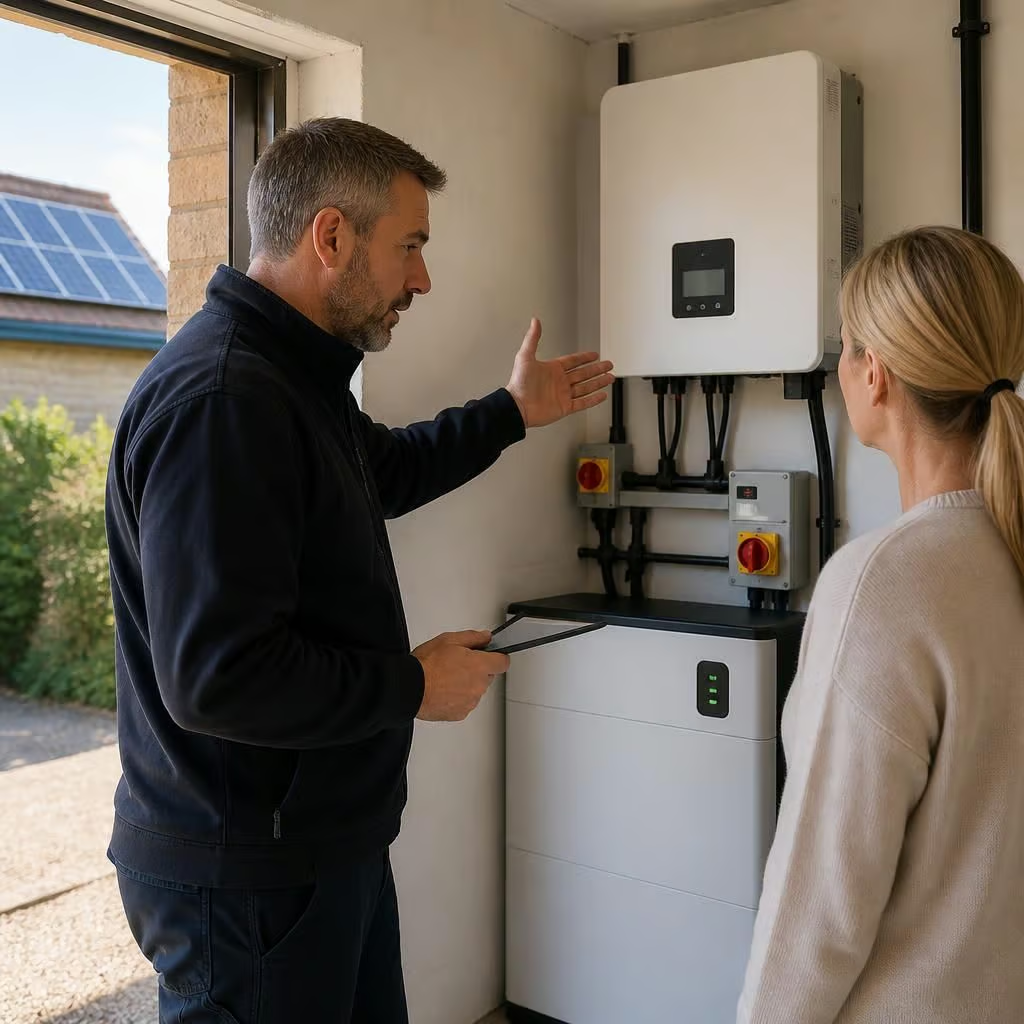
How much does adding a battery to existing solar panels cost?
Adding a battery to existing solar panels has no single fixed price: the total depends on the battery capacity, inverter compatibility, cabling and any electrical work needed. We assess the existing system before giving a written quotation, so you can compare the installation cost with the energy you could store and use at home.
Adding a battery to existing solar panels usually costs less than installing a complete new solar and battery system, but it is not a fixed-price add-on. The main cost depends on whether the existing inverter can work with a battery, how much storage the home needs and what electrical changes the installation requires.
Your solar panels may still have many useful years left, but the inverter may not be suitable for battery storage. We check the panel layout, inverter model, system age, generation records and existing certification before recommending equipment.
- Battery size: a larger battery stores more surplus generation, but costs more and may not improve the financial return if the home uses little electricity overnight.
- Battery power rating: this affects how much electricity the battery can discharge at once. A battery with plenty of capacity may still be unable to run several high-demand appliances together.
- Inverter arrangement: an AC-coupled battery can often be added alongside an existing solar inverter. A DC-coupled system may need a compatible hybrid inverter, which can add equipment and labour costs.
- Electrical work: the consumer unit, protection devices, isolators, earthing and cable routes may need checking or upgrading before the battery can be connected safely.
- Battery position: a suitable location close to the electrical equipment can reduce cable work. A detached garage, outbuilding or difficult roof-space route may increase installation time and materials.
An older system can therefore cost more to upgrade than a newer one. If the solar inverter is approaching the end of its serviceable life, replacing it at the same time may be more sensible than installing a separate battery inverter. We explain that choice rather than assuming the existing equipment can remain.
The right battery size comes from the way the home uses electricity, not simply from the size of the solar array. If most electricity is used during the day, there may be less surplus to store. Evening cooking, overnight heating, an immersion heater or an electric vehicle can create more useful demand after the sun has set. We compare generation and consumption patterns before sizing the battery.
A battery can store surplus solar electricity for later use, reducing the amount bought from the grid. It may also be charged from the grid where the tariff and control settings make that worthwhile. The financial case depends on the property’s generation, electricity use, import tariff, export tariff and battery controls. We work through those figures for the installation rather than quoting a generic saving or payback period.
Existing panels do not automatically make every battery suitable. We check the array’s output, string configuration and maximum electrical ratings against the proposed equipment. We also check whether the system can export electricity under the relevant connection arrangements. MCS-certified installation can support eligibility for the Smart Export Guarantee, subject to the requirements of the export supplier and the wider system.
Adding a battery is usually less disruptive than installing new panels because the roof and mounting system stay in place. Most of the work takes place around the inverter, consumer unit and battery location. We protect working areas, route cables neatly and explain any changes to the monitoring system before completing the installation.
Some homes need more than a simple battery connection. A rural property may have a long cable run to an outbuilding, an older consumer unit or a supply arrangement that needs further checks. Solid-wall houses, barn conversions and properties with several separate electrical boards can also need careful planning. We identify these issues during the survey so the quotation reflects the work involved.
Backup power is a separate consideration from storing solar energy. A standard battery installation does not necessarily keep the home running during a power cut. If backup matters, we assess the required circuits, changeover equipment, battery capability and local electrical arrangement. That can alter both the equipment and the installation cost.
Our process is straightforward:
- We review the existing solar installation, inverter, generation history and available electrical records.
- We assess the proposed battery position, cable routes, consumer unit and protection requirements.
- We discuss electricity use, export arrangements and whether backup power is needed.
- We compare suitable battery and inverter configurations, including the option of retaining or replacing existing equipment.
- We provide a written quotation showing the equipment and installation work before anything starts.
The quotation should make clear whether it includes the battery, inverter or control equipment, mounting and protection devices, cabling, commissioning, monitoring setup and certification. It should also identify any work excluded because it depends on further information from the network operator or export supplier.
Adding storage makes the most sense when the home regularly produces more solar electricity than it uses at the time of generation, and then needs electricity later. It may be less suitable where daytime demand already uses most of the solar output, the array produces very little surplus or the battery would be oversized for the property’s usage.
We can assess the existing system and show what the proposed battery would change. The result is a costed design based on the panels already on the roof, the electrical condition of the property and the way the household uses energy.
The age of the existing system matters as much as the battery size. If the panels are sound but the inverter is nearing replacement, fitting a new battery inverter may avoid paying for two separate upgrades. We compare both options so the quotation reflects the equipment you are likely to keep for the longer term.
Missing installation records can also affect the assessment. We verify the system before connecting new equipment, rather than relying on an assumed panel output or undocumented wiring. That gives you a cost based on the installation actually in place.