What affects the cost of a solar battery storage system?
The cost of a solar battery storage system depends on its usable capacity, power output, battery and inverter choice, and how difficult the installation is. An older consumer unit, long cable runs, scaffolding or changes to an existing solar system can add to the installation work, so we assess the property and quote for the complete system before work starts.
The biggest cost differences come from the battery’s usable capacity, its discharge power, the inverter arrangement and the work needed to connect it safely. The way you plan to use the battery also matters. A system designed to store surplus solar may be different from one intended to charge from the grid and support the home during a power cut.
Usable capacity affects the amount of battery equipment required. A battery’s advertised capacity is not always the amount available for daily use. We look at usable capacity when sizing the system, along with how much electricity the home uses in the evening and overnight. A larger battery costs more, but it may not be worthwhile if the solar panels rarely produce enough surplus to charge it.
Your electricity use may also vary through the year. A home with an electric vehicle, immersion heater or heat pump may need more stored energy than a property with modest evening demand. We use the household’s expected consumption and existing generation to avoid recommending capacity that sits unused.
Power output is separate from storage capacity. Capacity tells you how much energy the battery can hold. Power tells you how much electricity it can supply at one time. If you want to run several higher-demand appliances together, a higher-power battery and inverter may be needed. That can increase the equipment cost even when the storage capacity stays the same.
Some homes mainly need stored energy for lights, appliances and overnight use. Others want the battery to support heavier loads or provide backup power. Backup operation usually needs additional equipment and a suitable circuit arrangement, so it should be specified at the start rather than added as an assumption.
The battery and inverter may be separate or combined into one system. With new solar panels, we can usually plan the panels, inverter and battery together. This can reduce duplicated equipment and makes it easier to choose a compatible control system.
If solar panels are already installed, the existing inverter determines which battery arrangements are possible. An AC-coupled battery can often work alongside existing solar equipment. In other cases, replacing the inverter with a hybrid model may make better technical and financial sense. The replacement equipment, removal work and commissioning all affect the quotation.
Your current panels may also have a different electrical specification from a new battery system. We check the existing installation rather than assuming that every battery will connect to it. This is particularly important when the solar system is older or its original paperwork is incomplete.
Brand and system compatibility influence the price. A lower equipment price may not represent a lower total cost if the battery needs extra control equipment or cannot work properly with the existing solar installation. We compare the battery, inverter, monitoring platform and protection equipment as one system.
The choice may also affect how the system manages solar generation, household demand and grid charging. We explain what the proposed controls will do, including any settings you may need to change if your electricity use changes later.
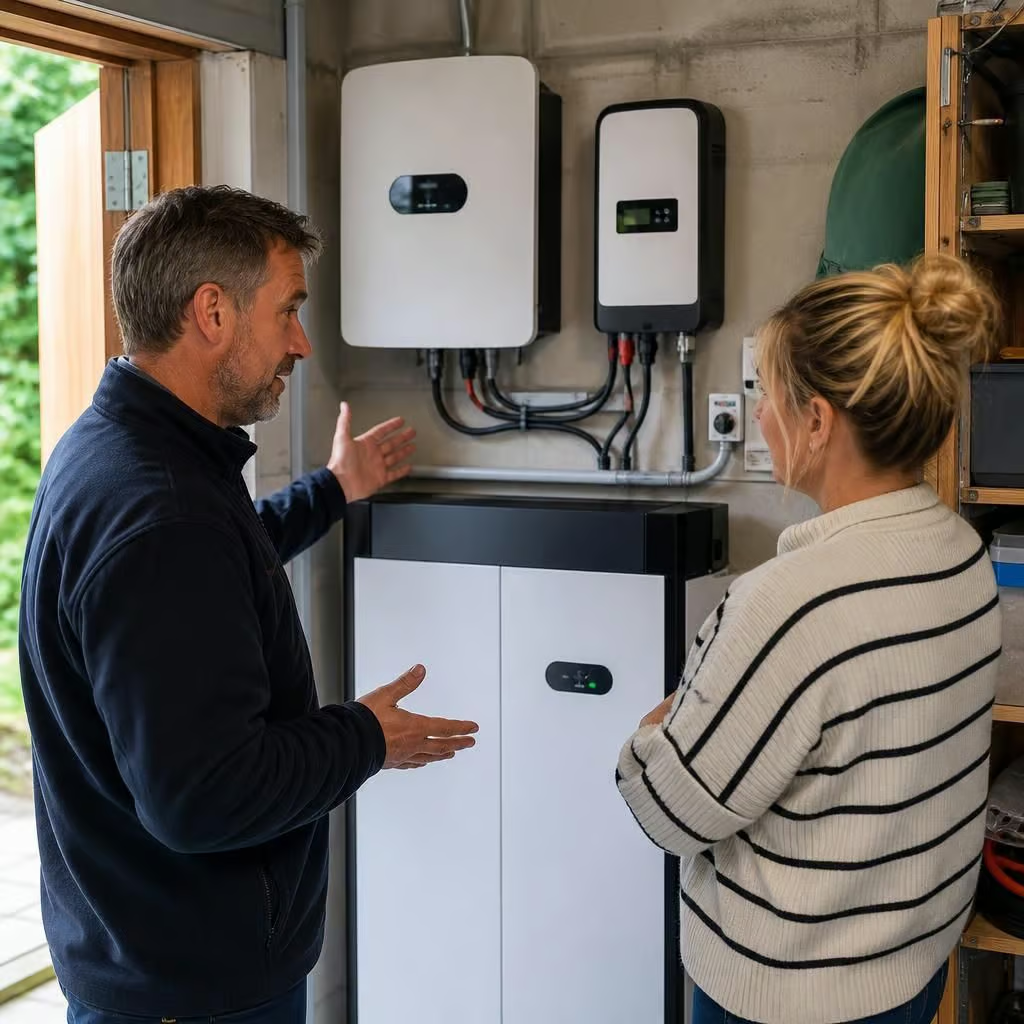
The installation location can add labour and materials. A battery needs a suitable position with appropriate access, ventilation and protection from conditions that could affect the equipment. A garage, utility room, outbuilding or external wall may each require a different cable route and mounting method.
A long route between the battery, inverter, consumer unit and solar equipment uses more cable and takes longer to install. Difficult access, solid walls, concealed wiring or a detached outbuilding can add to the work. We identify these details during the survey so the quotation reflects the actual property rather than an assumed layout.
Older homes can need more preparation. The consumer unit, earthing arrangement or existing protective devices may need upgrading before the battery can be connected. We explain any required electrical work separately, so you can see which part relates to the storage system and which part improves the wider installation.
Grid connection requirements can affect the specification. The inverter controls how electricity moves between the panels, battery, home and grid. Where the proposed system changes the property’s export or import arrangement, we check the relevant connection requirements and include the necessary paperwork or equipment in the plan.
An export limit may also affect the way the system is configured. This is not simply a matter of choosing a battery size. The panels, inverter, battery and household demand must work together within the permitted electrical arrangement.
The intended financial use changes the best-value design. Some households want to use more of their own solar electricity. Others are interested in charging the battery from the grid at selected times and using that energy later. The second approach depends on the electricity tariff, the control system and how much of the battery’s capacity is available when needed.
We can work through the expected pattern for your home, but savings and payback depend on the property’s generation, consumption, tariff and future use. A larger or more expensive battery does not automatically produce a better return.
Solar panels and battery storage should be considered together when both are planned. The roof layout, panel orientation, shading and available electrical capacity affect how much surplus energy a battery can receive. A battery that is too large for the solar array may spend much of its time partly charged, while a small battery may fill early on bright days.
Where a new solar installation is included, our MCS certification means we can make a Boiler Upgrade Scheme application only where that scheme applies to the relevant technology, and it also supports eligibility for the Smart Export Guarantee. These are separate considerations from the battery’s purchase and installation cost, and current rules should be checked before the system is specified.
The quotation should show more than the battery itself. We set out the equipment, inverter arrangement, mounting, cables, protection, labour, commissioning and any changes to the existing electrical installation. If monitoring, backup circuits or additional control equipment are needed, these should be visible rather than hidden in a single lump sum.
We survey the property before pricing the work and provide a written quotation before installation starts. That gives you a clearer comparison between systems with different capacities and specifications, rather than comparing headline battery prices that include different amounts of equipment and labour.
The right system is the one that matches the home’s electricity use, solar generation, electrical layout and intended charging pattern. We can also tell you when the available roof area, existing inverter or expected usage makes battery storage less suitable than it first appears.
Warranty terms can affect the real value of a battery system. Compare the covered capacity, operating conditions, monitoring requirements and remedy if the equipment develops a fault. A lower purchase price may look attractive but provide less useful protection over the system’s working life.
We include the proposed battery model and its relevant warranty conditions in the quotation, so you can compare the equipment rather than judging the installation on price alone.