
What does a 5kWh home battery cost?
A 5kWh home battery has no single fixed price: the total depends on the battery model, installation and whether extra electrical work is needed. We assess your electricity use, existing solar system and consumer unit before providing a written quotation.
The installed cost of a 5kWh home battery depends mainly on what is already in place. A straightforward addition to a compatible solar system will involve different work from a new battery installation, an inverter replacement or an electrical upgrade.
The 5kWh figure describes the battery’s storage capacity. It does not show how much energy you can use in practice, how quickly the battery can charge or discharge, or how much energy it will hold in reserve. The usable capacity and power rating both matter when comparing quotations.
- Usable capacity: the battery may keep part of its capacity in reserve to protect its working life.
- Power output: a battery with a lower output may not run several high-demand appliances together, even if it stores 5kWh.
- Inverter arrangement: the battery may need its own inverter, or it may connect through an existing solar inverter.
- Control system: monitoring and charge controls determine when the battery stores solar energy, supplies the house or exports energy.
Adding a battery to existing solar panels is often the point where costs vary most. We check the make, age and specification of the existing inverter before recommending the connection method. Some systems can accept a compatible battery. Others need an AC-coupled battery, an additional inverter or a replacement inverter. The condition of the existing cabling and protective equipment also affects the work.
Your solar panels may produce most of their energy while the house is empty. A battery can store some of that generation for later use, but the financial case depends on your actual electricity pattern. We look at when you use energy, how much solar generation is available and the value of exporting surplus electricity. That gives you a property-specific comparison rather than a payback period based on a typical household.
A new solar and battery installation includes more than the battery unit. The overall price can include the battery, inverter equipment, mounting, cabling, isolation and protection, commissioning and system monitoring. If panels are being fitted at the same time, the quotation may also include the solar array, roof access and the associated electrical installation.
The location can affect the installation as well. A battery in a garage, utility area or outbuilding may need a longer cable route than one close to the consumer unit and inverter. We consider access, ventilation, protection from damage and the distance between the battery, panels and electrical equipment. Older properties can have more involved cable routes, particularly where walls are solid or buildings have been extended over time.
Some homes need electrical work before a 5kWh battery can be connected. We check the consumer unit, earthing, existing circuits and available space for the required protection. If the installation needs a new circuit, upgraded protection or changes to the consumer unit, we include that in the design rather than treating it as an unexpected addition during the work.
A 5kWh battery is not automatically the right size for every home. It may suit a household with moderate evening electricity use, while a home with an electric vehicle, heat pump or several high-load appliances may need a different capacity or output. Oversizing the battery can also weaken the financial case if there is not enough solar generation or household demand to use it regularly. We size the system around the home’s generation and consumption, not simply around the available roof space.
We also check where the battery can be installed and how the system will be operated. You should know whether it can charge from the grid, how export is controlled, what monitoring you can see and what happens if the internet connection is lost. These details affect how useful the battery is day to day, even though they may not be obvious from the storage capacity.
For solar and battery work, our MCS certification means the installation can meet the requirements for the Smart Export Guarantee. We explain the relevant paperwork and system information as part of the handover, so you know what has been installed and how to monitor it.
We start with the existing solar system, consumer unit, meter arrangement and likely battery location. We then compare the available installation routes and explain which costs are essential, which are optional and which could be avoided by changing the design. The quotation sets out the equipment and work before anything starts, giving you a clearer basis for comparing the battery’s cost with the energy it could store and use in your home.
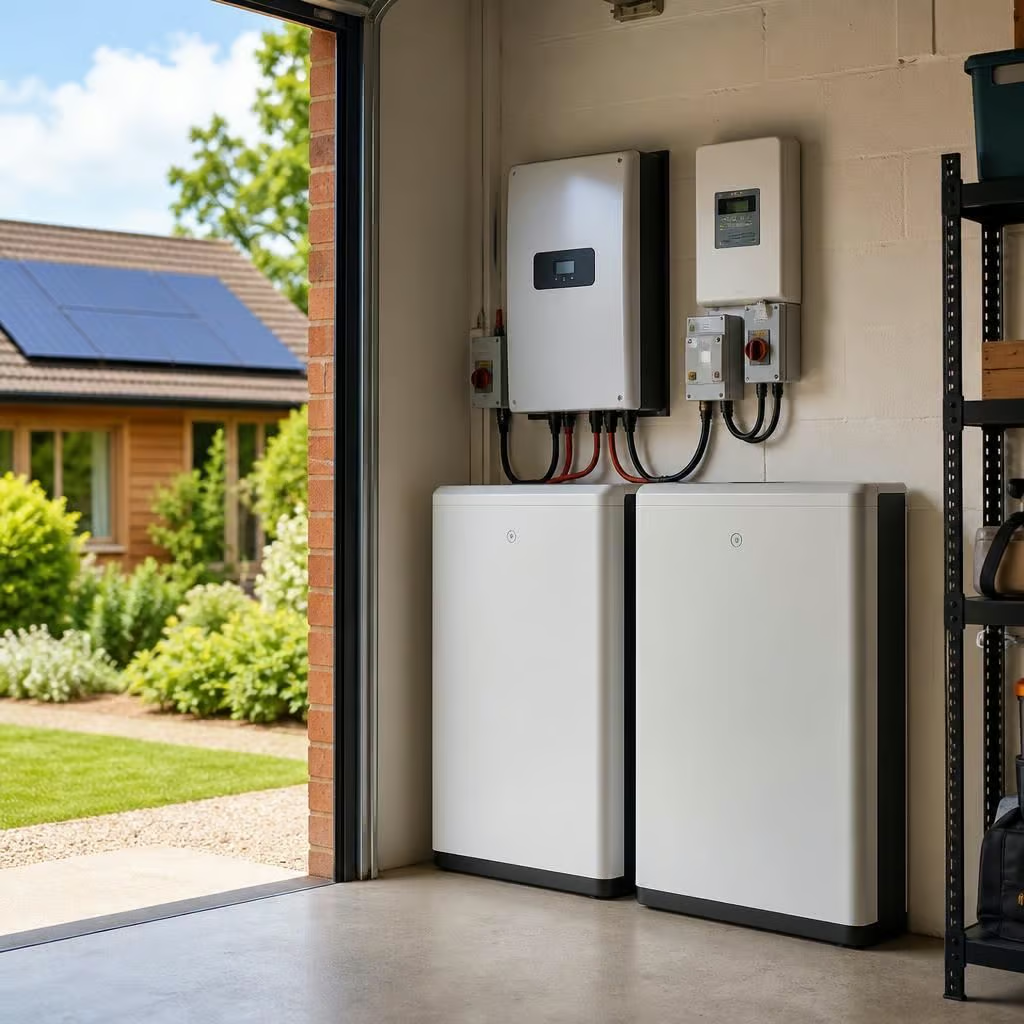
Two 5kWh batteries can have different long-term value, even when their installed prices look similar. Check the usable capacity, maximum output and warranty terms rather than comparing the headline capacity alone. Warranty conditions may refer to time, energy throughput or both, so the detail matters if the battery will cycle frequently.
If you plan to charge from the grid as well as from solar panels, the control settings matter too. We explain how the proposed system can be operated, so you can judge the quoted cost against the way your household actually uses electricity.