
Can my existing solar panels support a home battery?
Often, yes. We check the panels, inverter, cabling and available space to confirm whether a battery can connect to the existing system or whether part of it needs replacing.
In most cases, existing solar panels can work with a battery without replacing the panels. The main decision is how the battery will connect to the system. We establish that from the panel layout, inverter and electricity use before recommending equipment.
Your panels produce direct current (DC), while the property and most batteries use alternating current (AC). The inverter manages that conversion. A solar installation with a standard PV inverter may need an additional battery inverter, known as an AC-coupled system. Another option is to replace the existing inverter with a hybrid inverter, allowing the battery to connect more directly to the solar array.
Neither option is automatically better. An AC-coupled battery can suit an otherwise sound solar installation because the existing panels and inverter remain in place. A hybrid system may be more suitable when the inverter is ageing, has limited capacity or needs replacing for another reason. We compare the cost, available space and expected energy flows rather than assuming that one arrangement suits every property.
Your existing inverter is the first important check. We look at:
- its age, condition and remaining warranty;
- whether it can communicate with the proposed battery system;
- its maximum input and output capacity;
- the panel string voltage and current;
- the existing monitoring and export-control equipment; and
- whether the installation has enough capacity for the additional inverter and battery.
A battery from one manufacturer cannot simply be connected to any solar inverter. The battery, inverter and control system must be compatible. We also check whether firmware, monitoring equipment or protection devices need updating. This prevents a battery from being installed but unable to charge, discharge or report its performance correctly.
The age of the solar installation matters, but older panels do not automatically rule out storage. If the panels are producing reliably and the cabling, isolators and mounting remain sound, they may continue to be useful for many years. We test the system and inspect the accessible equipment. We only recommend replacing panels when their condition, output or the wider design makes that sensible.
Your electricity use determines how useful the battery will be. Panels may send surplus electricity to the grid during the day, while the property draws electricity in the evening. A battery stores some of that surplus for later use. We look at generation records, meter data and the times when the property uses electricity. That helps us choose storage capacity based on the home’s pattern rather than simply selecting the largest battery available.
A larger battery is not always a better investment. If the panels produce little surplus, a large battery may rarely fill. If the home uses substantial electricity after sunset, a smaller battery may discharge early. We can also consider whether the system should charge from the grid under a suitable electricity tariff, where the equipment and tariff arrangements allow it. The likely benefit depends on your generation, consumption, export arrangements and electricity costs.
The consumer unit and cable routes need checking as well. Adding storage can require new protective devices, isolators, earthing checks or changes to the distribution board. Older properties may have been altered several times, so we inspect the existing electrical arrangement before connecting new equipment. Any work is included in the written quotation so the electrical requirements are clear before installation starts.
Battery location affects the design. A suitable position needs enough access for installation and future inspection, with appropriate protection from damp, excessive heat, impact and restricted ventilation. Garages, utility areas and suitable external locations are common possibilities, but the right position depends on the equipment and the building. We consider cable length, fire separation, access and the effect on the appearance of the property.
Adding a battery usually leaves the panels on the roof. The work is generally concentrated around the inverter, consumer unit and battery position. We explain where the new equipment will go, how cables will be routed and what we need to isolate on the day. The system will be unavailable while connections and testing take place, but we plan the work around the agreed installation arrangement and leave the equipment operating safely.
We also check how the battery changes the way electricity is measured and exported. Export limitation may be needed where the combined system could send more electricity to the grid than the connection allows. The relevant network requirements and meter arrangements form part of the design, rather than being left until the installation is complete.
For a system being added to existing solar panels, the paperwork matters too. MCS-certified installation supports an application for the Smart Export Guarantee, subject to the requirements of the export supplier and the completed system. We explain which certificates and commissioning information you should keep, including the settings and operating instructions for the battery.
There are situations where a battery may not be suitable. We may advise against adding one if the panels are producing poorly, the inverter is failing, the electrical installation needs substantial remedial work or there is not enough usable surplus. In those cases, we set out the alternatives, which may include correcting the solar system first or replacing part of it as a planned upgrade.
Our assessment starts with the existing installation rather than a standard battery package. We review the panel and inverter details, inspect the electrical equipment, discuss how the property uses electricity and identify a practical battery location. You then receive a written quotation explaining the equipment, any changes to the solar system and the work required to connect and test it.
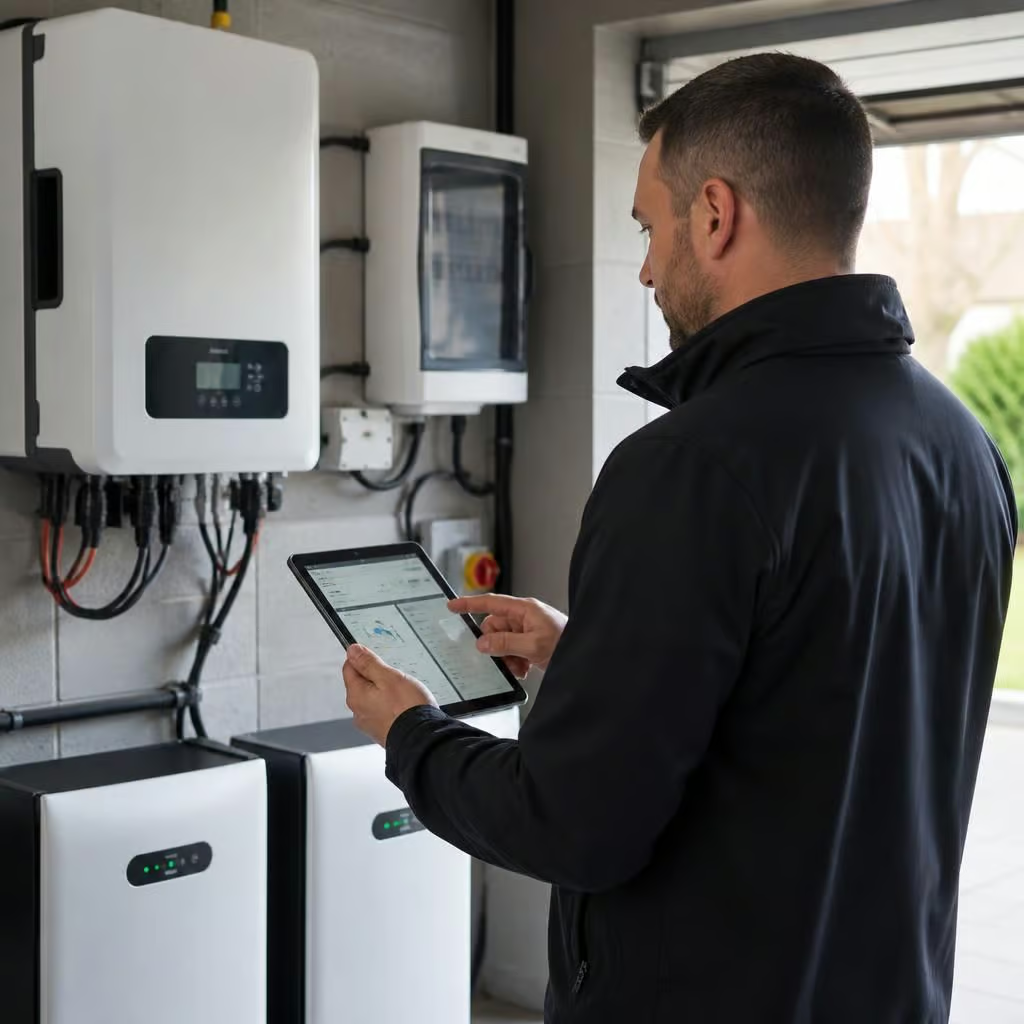
If you want the battery to keep appliances running during a power cut, tell us before we design the system. Standard solar and battery installations normally shut down when the grid fails, so they do not automatically provide backup power.
We check whether backup operation is practical for the existing installation, then explain which circuits could be supported and what extra changeover equipment would be needed. That keeps the battery’s everyday storage function separate from emergency power and avoids assuming that an ordinary battery installation will run the whole home.