Will installing a home battery disrupt my daily routine?
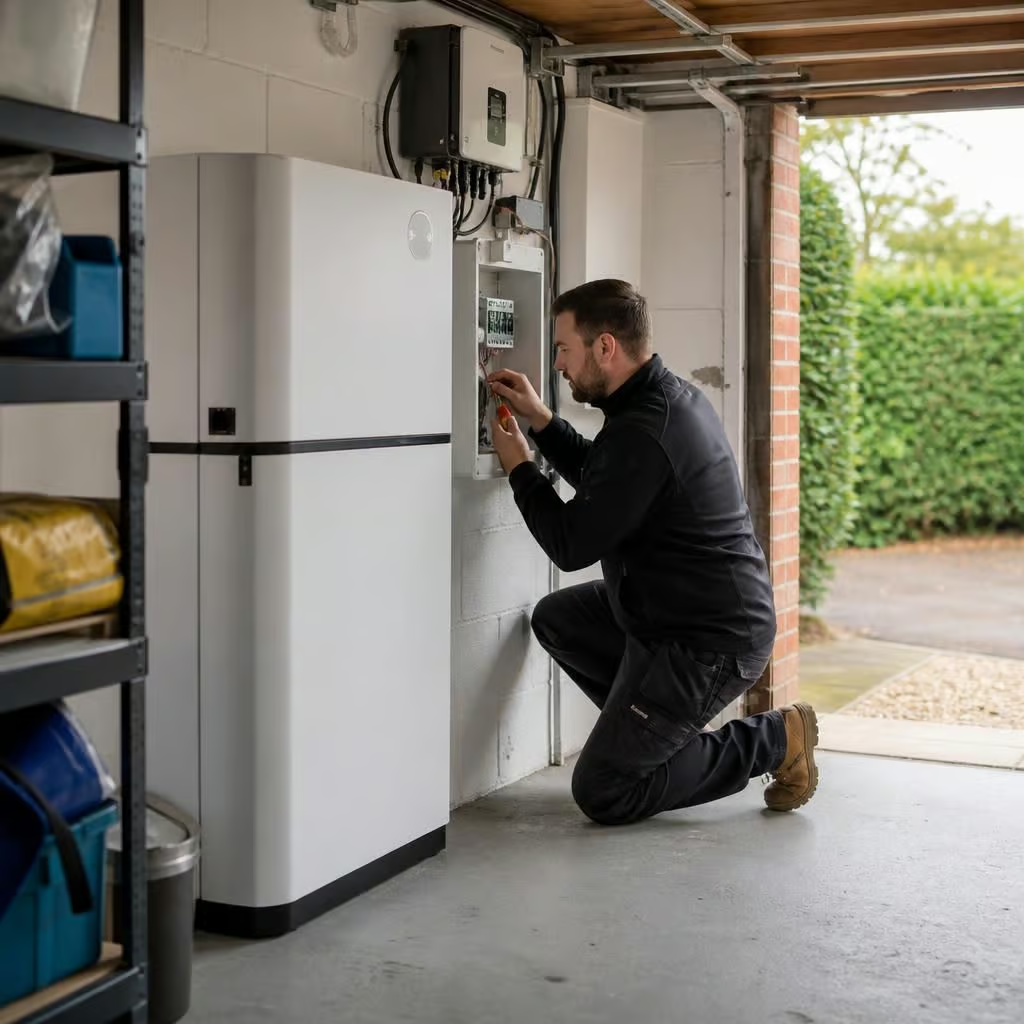
A home battery installation usually affects only the room, garage or utility area where the battery and control equipment are fitted, rather than disrupting your whole day. We explain any planned power isolation beforehand, protect floors and surfaces, and leave the area tidy when the work is complete.
For most households, a home battery does not require you to change your daily routine once it is installed. The main practical effects happen during the installation itself: we need access to the agreed battery position, a route for the cables and space at the consumer unit while we connect and test the system.
Before the installation, we confirm where the battery will sit and how the cables will reach the existing electrical equipment. This helps avoid last-minute decisions in the middle of the work. A garage, utility room, plant room or suitable outbuilding may work, depending on the battery, the temperature, the available wall space and the cable route. The position also needs to remain accessible for inspection.
If the proposed route passes through a cupboard, loft space or another part of the house, we explain which areas need to be reached. You can then move anything fragile or valuable before we arrive. We do not need unrestricted access to every room, but the agreed route and electrical equipment must be accessible.
During the work, there may be drilling, cable installation and some general installation noise. The amount depends on the construction of the property and how far the battery is from the existing solar or electrical equipment. Older houses, solid walls and outbuildings can require a more involved cable route than a modern utility room.
We protect the working area, keep tools and materials together, and remove installation waste. If the cable route needs a small amount of making good, we explain that before the work proceeds. Larger decorating or building repairs are not assumed to be part of an electrical installation.
The electricity supply cannot remain live while we alter the relevant electrical equipment. This means household activities that depend on mains power may need to pause while the connections are made and checked. It is sensible to avoid starting a washing machine, cooking electrically or relying on powered equipment at that point. We tell you when the supply can be used normally again.
Remote working and home routines usually need only a little planning. Save work on computers, avoid scheduling an important video meeting during the electrical work and make sure anyone at home knows that equipment may temporarily lose power. If medical equipment or another essential device depends on a continuous supply, tell us before the installation so we can discuss the arrangement.
Once the battery is commissioned, it operates automatically. You do not need to move cables, switch the battery on each evening or transfer appliances between circuits. The system can store suitable surplus generation and make that energy available according to the settings agreed for the installation. We explain the controls and show you how to view the system’s status.
If monitoring uses an internet connection, we explain what the system needs and help check that the monitoring function is communicating correctly. A temporary interruption to broadband does not normally mean that the battery itself needs daily attention, but it may prevent the app from showing the latest information until the connection is restored.
Your home’s existing wiring affects the amount of preparation required. If the consumer unit, earthing arrangement or other electrical equipment needs attention, we identify that during the survey rather than treating it as an unexpected extra on installation day. A battery should not be connected to an electrical system that is not suitable for the additional equipment.
We provide the quotation before work starts, including any necessary electrical changes that we have identified. This gives you the chance to understand the likely access, work areas and cost before deciding. After testing, we explain the system, leave the working area tidy and provide the relevant installation paperwork.
For a property with limited indoor space, a detached garage or an older electrical installation, the survey is particularly useful. It shows whether the battery can be installed without avoidable changes to the way the household uses the home, or whether another position or electrical upgrade needs consideration first.
The easiest way to keep the installation manageable is to prepare the agreed work areas beforehand. Clear the space around the battery location, consumer unit and cable route, and move stored items that could obstruct access. If the route passes through a loft, cupboard or outbuilding, make sure we can reach it safely.
If the battery is going into a garage or another separate building, check that the route remains clear from the house to the installation point. This avoids delays caused by stored belongings, vehicles or locked access. We will confirm these details during the survey, so you know which parts of the property need attention and which can carry on as normal.