
Can solar electric heating work with an older electrical installation?
Yes, an older electrical installation can often work with solar electric heating, but its consumer unit, earthing, cabling and available electrical capacity must be checked first. We test the existing installation and identify any upgrades needed before connecting the heating system, so the work is safe and suitable for the home.
In many older homes, solar electric heating can be added without replacing the entire electrical installation. The heating circuit itself may need upgrading, and the existing supply must be able to handle the load safely when solar generation is low.
An older installation often has fewer dedicated circuits than a modern home. A previous owner may have added electric heaters, an immersion heater or other equipment to a general-purpose circuit. That can leave the cable, protective device or connections unsuitable for continuous heating loads. We trace how the circuits are arranged rather than assuming a spare socket can supply the new equipment.
Your available electrical supply matters as much as the wiring inside the house. We assess the incoming supply, main fuse arrangement and the demand from existing appliances. A heating system that draws significant power may need a dedicated circuit, larger cable or changes to the distribution equipment. If the supply has limited capacity, we explain how that affects the heating choice before any installation work begins.
The consumer unit is a common point of concern in older properties. Some older boards have rewireable fuses, limited residual-current protection or no practical space for additional circuits. We check the condition of the board and the earthing and bonding arrangements. If it cannot provide suitable protection, we set out the required work, which may include a consumer unit upgrade or additional protective devices.
Solar generation does not remove the need for proper protection. The solar supply and the heating circuit each need suitable isolation, cable protection and fault protection. We also check the route between the panels, inverter, battery and consumer unit where those systems are part of the design. This prevents the heating equipment from being connected in a way that leaves another part of the installation overloaded or difficult to isolate.
Your home may produce less electricity during winter, when heating demand is highest. We therefore consider how the heater will operate from the grid when solar output is insufficient. Battery storage can change when electricity is available, but it does not make an undersized circuit safe or create unlimited power. The design needs to work safely under the conditions the home will actually experience.
Some older properties have wiring that has been altered several times. Extensions, converted outbuildings and barn conversions can contain separate consumer units, concealed junctions or circuits with unclear labelling. We investigate those arrangements before connecting new equipment. Where we find a defect or an unsafe alteration, we explain whether it needs correcting for safety or is simply relevant to the proposed design.
The work may be limited to a new circuit and protective equipment, but it can be more extensive if the installation has wider faults. We separate essential remedial work from improvements that can wait. You receive a written quotation before work starts, so the cost of bringing the installation up to the required standard is clear before you decide.
For electrical work, our NICEIC and ECA registration reflects the standards we work to and the testing we carry out. After the installation, we test the new circuits, check the protective devices and provide the relevant electrical certification. Where the work affects the wider installation, we explain what has been tested and keep the paperwork with the project records.
An older electrical installation is not automatically unsuitable for solar electric heating. The important point is whether the supply, circuits and protective equipment can support the chosen system safely. A survey gives you that answer before you commit to panels, a heater or battery storage.
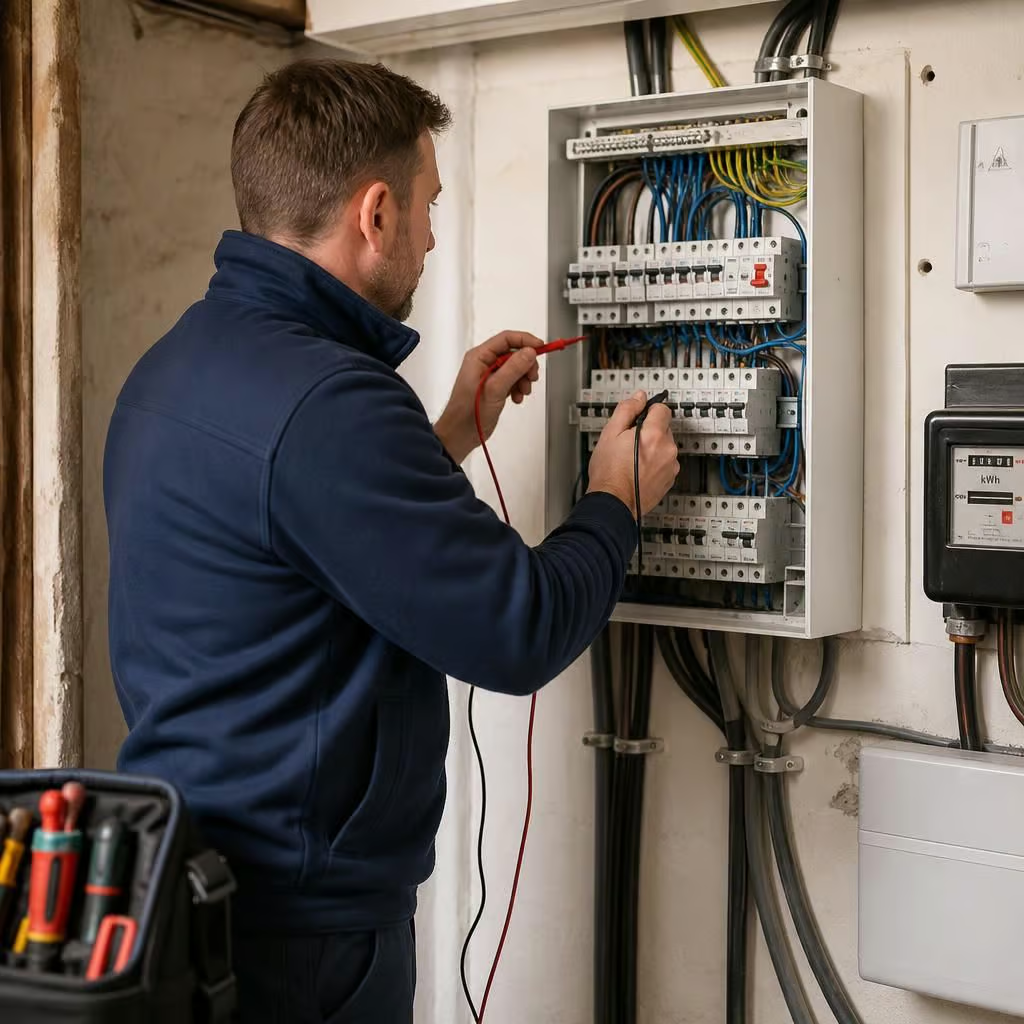
If an older property has several additions, the main risk can be uncertainty rather than age. A previous alteration may not be obvious from the consumer unit, especially in a barn conversion or converted outbuilding.
We identify which circuit supplies the heating, label any changes clearly and record the test results after the work. That leaves you with a system that can be understood and maintained later, without relying on guesswork about wiring hidden behind walls or ceilings.