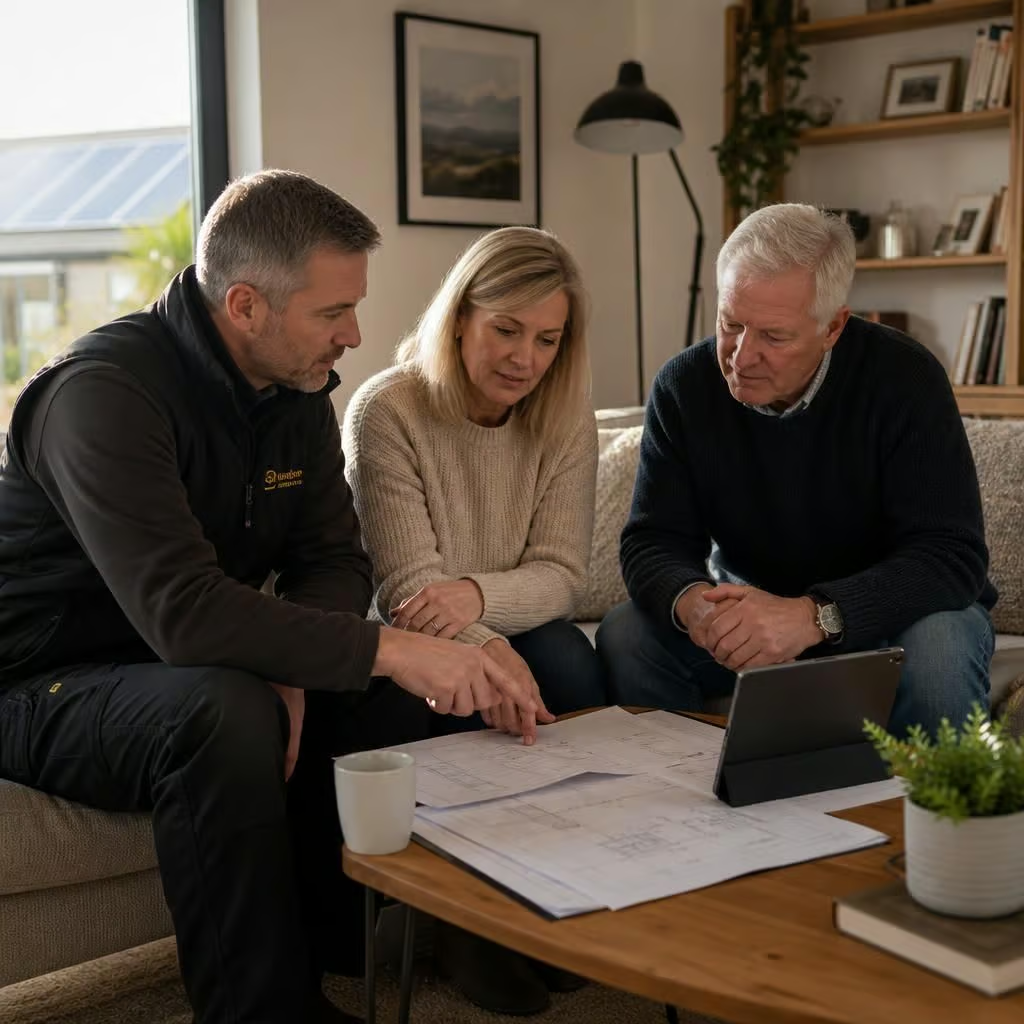
Which solar electric heating option suits your home?
The right solar electric heating option depends on your home’s heat loss, insulation, electrical installation and hot-water needs. We assess whether infrared panels, solar PV with an immersion heater, or a heat pump would suit the property before recommending a system.
The best option depends on what you want the system to heat. Solar PV with an air source heat pump is usually the most complete choice for whole-home heating. Infrared panels suit selected rooms with a lower heat demand. A solar immersion heater is useful for hot water, but it does not heat the rooms.
Solar PV generates electricity rather than heat. You can use that electricity in an electric heating system, store some in a battery or export it when the home cannot use it. The amount available changes through the day and across the seasons, so we size the heating system around the property’s heat demand rather than assuming the panels will cover everything.
Solar PV with an air source heat pump
An air source heat pump is the strongest option when you want to replace a boiler and heat the whole home from electricity. It takes heat from the outside air and moves it indoors. Solar PV can then supply part of the electricity used by the heat pump, particularly when the heating system also provides hot water during the day.
Your home needs to hold heat reasonably well for this arrangement to work efficiently. We look at insulation, draughts, room sizes, window areas and the heat loss from each part of the building. A solid-wall house, barn conversion or older property may still be suitable, but it may need practical improvements first.
Existing radiators may work, although some rooms may need larger radiators or changes to pipework. A heat pump normally runs at a lower temperature than an oil or gas boiler, so radiator sizing and system controls matter. We calculate the requirement rather than relying on the boiler’s existing output.
Your hot-water cylinder also needs consideration. A heat pump needs a cylinder that can store hot water, so a property with a combination boiler may need more extensive changes. We explain where the cylinder, outdoor unit and internal equipment would go before you decide.
A heat pump is a larger installation than adding an immersion control to an existing cylinder. It can be the right long-term choice for a rural or off-gas-grid home, but it is not automatically the right answer for every building. Our MCS-certified renewable energy installers can assess eligibility for the Boiler Upgrade Scheme and make the grant application on your behalf where the property and installation meet the current requirements.
Solar PV and the heat pump also need to be considered as one electrical system. We check the available roof area, shading, inverter position, consumer unit and expected electrical demand. MCS certification means the solar installation can qualify for the Smart Export Guarantee, subject to the current scheme rules and your chosen export tariff.
Infrared heating panels
Infrared panels heat people and surfaces in the room rather than warming water through radiators. They can work well in a well-insulated home, an extension, a home office or rooms used for short periods. Each panel has its own electrical connection and control, so you can heat selected spaces without running a wet central-heating system.
This option can avoid boilers, radiators, pipework and a cylinder for space heating. Installation may therefore be simpler where there is no suitable wet system. The electrical load still needs checking, particularly if several rooms will use panels at the same time.
Infrared panels are direct electric heaters. They use electricity whenever they are operating, and solar PV only reduces the amount bought from the grid when the panels are generating. A battery may store some daytime generation for later use, but we work out whether that additional equipment is worthwhile for the way the home is occupied.
Infrared heating is less likely to suit a large, draughty home that needs continuous heat in many rooms. The panel position, furniture layout and room controls affect how evenly the space feels heated. We discuss the rooms you use, the temperatures you expect and the available electrical capacity before recommending this approach.
A solar immersion heater
A solar immersion heater uses surplus electricity from solar PV to heat water in a hot-water cylinder. A control device diverts available generation to the immersion element instead of sending it to the grid. This can make better use of electricity that the home cannot use immediately.
It is a hot-water measure, not a whole-home heating system. It will not replace radiators or heat the living spaces. The cylinder must have a suitable immersion element, and the home needs another way to provide hot water when solar generation is low. That may be a boiler, heat pump or other approved source.
This option can be sensible when the existing heating system works well but the hot-water cylinder wastes surplus solar generation. It is also more limited than a heat pump, because it turns electricity directly into heat rather than moving heat from the air. We check the cylinder, immersion wiring, controls and consumer unit before any work starts.
How the options compare
- Whole-home heating: Solar PV with an air source heat pump can provide space heating and hot water when the property, emitters and cylinder are suitable.
- Selected rooms: Infrared panels can suit efficient rooms or homes where installing pipework would create unnecessary work.
- Hot water only: A solar immersion heater can use surplus PV generation in an existing cylinder, but it cannot replace the central heating.
- Older properties: A heat pump may work, but we need to address heat loss, radiator output, pipework and equipment locations first.
- Off-gas-grid homes: Solar PV can support an electric heating system, but we compare the proposed system with the existing oil or LPG arrangement rather than assuming a change will pay back.
The financial comparison is specific to the property. We consider the installation work, expected electricity use, existing fuel costs, roof orientation, shading, occupancy and hot-water demand. Solar generation is usually lower during the coldest periods, when heating demand is highest, so we do not present the panels as a complete replacement for purchased energy without checking the figures.
We begin with the building rather than a preferred product. The assessment covers heat loss, insulation, radiators, cylinder space, roof condition, electrical capacity and how the home is used. You receive a written quotation before work starts, with the equipment, associated changes and expected scope set out clearly.
That process should leave you with a heating method that matches the building: a heat pump where whole-home low-temperature heating is practical, infrared panels where room-by-room electric heating makes sense, or an immersion control where the main opportunity is surplus solar hot water.
Solar generation won’t match heating demand hour by hour. Your home may need the most heat on a cold evening, when the panels are producing little or no electricity. We therefore separate the electricity the panels can provide from the heat the property must have.
That distinction shows what each option can realistically cover. It prevents a small solar array or immersion controller being treated as a complete replacement for the heating system, and helps us identify where a battery, existing boiler or another heat source still has a role.