How long will a solar hot water tank last?
A well-maintained solar hot water tank should provide many years of service, although the cylinder, immersion heater and valves may need attention at different times. Persistent leaks, corrosion or poor hot-water performance usually indicate that you should plan a replacement.
A solar hot water tank is normally replaced because the cylinder or its internal fittings have reached the end of their serviceable life, rather than because the solar collectors have stopped working. The tank may remain usable for many years, but its condition depends on the cylinder design, installation quality and how its protective components have been looked after.
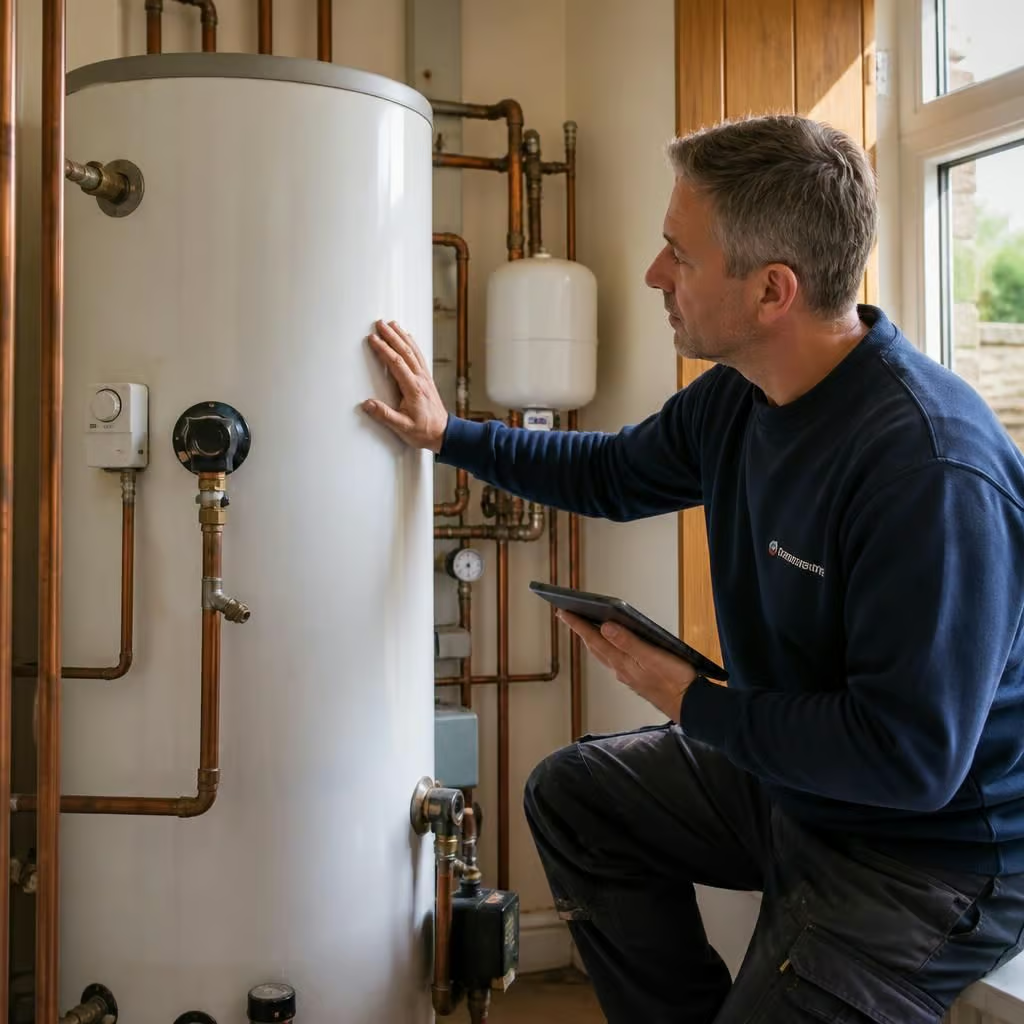
The tank is only one part of the system. A typical solar thermal cylinder has a solar coil, a separate coil for the boiler or immersion heater, temperature sensors and connections for the hot-water pipework. The solar circuit transfers heat into the stored water through its coil. If the cylinder remains sound, individual controls, pumps or valves may be repairable without replacing the tank itself.
Internal protection affects service life. Some cylinders use a sacrificial anode to protect the steel vessel from corrosion. The anode gradually wears down, so it needs checking and replacing when required. If it is ignored, corrosion can progress inside the cylinder even when the outside looks clean. Other cylinders use different materials or protection methods, so we identify the model before recommending maintenance.
Unvented cylinders also rely on safety equipment, including an expansion vessel and pressure-relief arrangements. These parts do not necessarily mean the tank needs replacing when they develop a fault. We test the system and separate a replaceable component from a damaged cylinder, which avoids changing sound equipment unnecessarily.
Signs that the tank may be approaching replacement include:
- Water appearing around the cylinder, valves or pipe connections.
- Rust staining, damp insulation or a recurring drop in system pressure.
- Hot water becoming discoloured or developing an unusual metallic smell.
- The cylinder taking longer to heat, despite the solar circuit and backup heat source working correctly.
- A pressure-relief pipe discharging regularly or an expansion vessel losing its charge.
- Replacement parts becoming difficult to identify or no longer suitable for the cylinder.
A damp connection does not always mean the vessel has failed. A valve, seal or fitting may be responsible. Conversely, a cylinder can corrode internally before a visible leak appears. We inspect the surrounding pipework, safety controls and cylinder connections before deciding whether a repair is sensible.
Solar performance can fall without the tank being at fault. A circulation pump may stop, a sensor may give an inaccurate reading, or air may enter the solar circuit. The heat-transfer fluid can also deteriorate and affect circulation. These faults can leave the water cooler while the cylinder itself remains serviceable. We check the solar circuit and the backup heating arrangement before treating poor hot-water performance as a tank failure.
The tank’s location also matters when replacement is being considered. A cylinder in a loft, airing cupboard or restricted plant room may have been installed before access, insulation and servicing space were properly considered. A replacement may need a different route into the property, altered pipework or a revised cylinder size. In an older home, we check doorways, staircases and floor loading before quoting for the work.
Replacement is usually the sensible option when the vessel is leaking, badly corroded or no longer supported by suitable parts. Replacing only a failed control on an otherwise sound tank can extend the system’s useful life. Replacing a heavily corroded cylinder may prevent repeated call-outs and the risk of a sudden loss of stored hot water.
We assess the household’s hot-water demand, the existing boiler or immersion heater and the solar circuit before specifying a replacement. The new tank must have suitable connections and coil capacity for the installation. It also needs enough insulation and usable space for safe servicing. A larger cylinder is not automatically better if the household cannot use the stored water effectively.
For properties with an older solar thermal installation, we also check whether the existing collectors, pump station and controls are worth retaining. A sound tank may work with updated controls, while an ageing system may make a coordinated upgrade more practical. We explain which parts can stay, which need attention and why, so the decision is based on the condition of the whole system rather than the tank alone.
Regular inspection helps identify worn safety components and developing leaks before they cause damage. If you notice dampness around the cylinder, unexplained discharge from a relief pipe or a sudden change in hot-water performance, switch off the affected heat source if it is safe to do so and arrange an assessment.
Age alone doesn’t decide whether a solar hot water tank needs replacing. A cylinder that remains dry, structurally sound and properly supported may continue working, even if its controls or valves need attention.
When we assess an older installation, we separate the tank’s condition from the performance of the wider system. That gives you a clearer choice between repairing a serviceable cylinder, planning a replacement, or upgrading several ageing parts together.