
Are solar water heating systems worth the cost?
Solar water heating can be worth the cost when your home has suitable roof space, regular hot-water demand and a compatible cylinder, but it will not provide all your hot water throughout the year. We assess the installation cost, expected contribution and any cylinder or plumbing changes for your property before you decide.
Solar water heating can be worth the cost when your home uses a steady amount of hot water and the roof, cylinder and heating system are suitable. It is less likely to pay back well where hot-water demand is low, the roof is shaded or substantial changes are needed before the system can be installed.
The financial case depends on more than the collector panels. A solar thermal system also needs a pump station, controls, pipework and a hot-water cylinder that can accept heat from the roof. The installation cost rises if the cylinder, roof covering or internal pipe routes need altering. We assess those parts together rather than judging the roof in isolation.
Solar thermal normally reduces the amount of energy your boiler or immersion heater needs to make hot water. It does not replace the boiler completely. On dull days and through the colder months, the existing heating system still provides backup. That means the value comes from the fuel or electricity you avoid buying over time, not from eliminating your hot-water bills.
Your household’s hot-water use is therefore central to the calculation. A family with regular baths, showers and high cylinder demand has more opportunity to use the heat collected during the day. A property that is empty for long periods, or uses very little hot water, may not use enough of the available heat to justify the installation cost.
The roof needs a suitable area with useful exposure to sunlight. Shading from trees, chimneys or neighbouring buildings can reduce the heat collected. Roof pitch, access and the condition of the roof also affect the work involved. A sound roof with a straightforward pipe route usually makes the installation simpler than an older roof requiring repairs or extensive internal alterations.
Older and rural homes can still be suitable. Solid walls, an oil boiler or an LPG system do not automatically rule solar thermal out. The important questions are how the hot water is currently made, where the cylinder sits and whether the roof can take the collectors. If the property has an unusual layout or limited plant-room space, we explain the practical restrictions before you commit to the work.
The cylinder is often the deciding factor. Solar thermal needs a cylinder with a suitable solar coil or another approved method of accepting heat from the collectors. A standard cylinder may not be usable without replacement. That additional work can change the financial calculation, particularly if the existing cylinder is otherwise serviceable.
We work out the likely payback from the actual installation cost, your hot-water demand, the present fuel used for water heating and the amount of backup energy the system will still need. We do not treat a roof area or an estimated annual output as a guaranteed saving. Your household may use less heat than the system could produce, especially in summer.
Running costs are generally limited to the electricity used by the circulation pump and controller, along with servicing and any repairs. The system still contains moving and electrical parts, and the heat-transfer fluid and controls need checking as part of planned maintenance. A clear quotation should identify these ongoing considerations rather than presenting solar thermal as maintenance-free.
Installation is more involved than fitting panels alone. The collectors need fixing securely, and insulated pipework must connect them to the cylinder. We protect access routes, plan where the pipework enters the property and coordinate the cylinder and control work with the existing heating system. The amount of internal disruption depends on the plant-room location and the route between the roof and cylinder.
Solar thermal tends to make more sense when:
- your home has consistent hot-water demand;
- the roof has good sunlight and enough usable space;
- the cylinder is compatible or due for replacement anyway;
- the current hot-water fuel is expensive to use; and
- you expect to remain in the property long enough for the savings to build.
It may be a weaker investment when the property has heavy shading, very low hot-water use, a difficult roof or a cylinder that needs replacement solely for the project. It is also worth comparing solar thermal with other ways of using roof space. Solar photovoltaic panels can generate electricity for household loads, battery charging and an immersion diverter, although the best choice depends on the property and how you use energy.
A survey should leave you with more than a panel layout. We check the roof, cylinder, boiler or immersion backup, pipework route, controls and likely installation work. We then separate essential changes from optional improvements, so you can judge the total cost against the hot-water saving your home is likely to achieve.
For some properties, the answer will be that solar water heating is a sensible long-term investment. For others, improving the cylinder, replacing an inefficient boiler or choosing a different renewable technology may make better financial sense. The right decision comes from the whole heating system and your household’s usage, not from the roof alone.
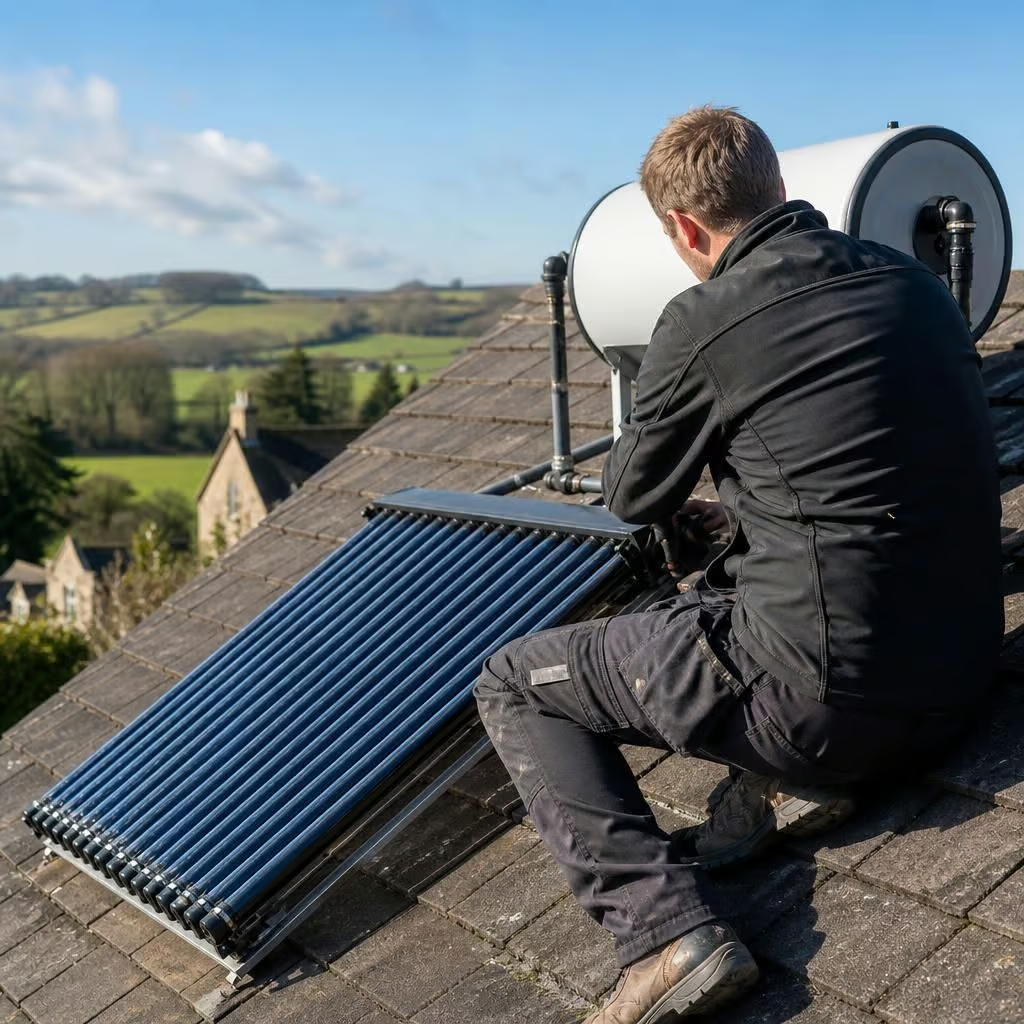
The cost makes more sense when you consider work the property will need anyway. If the roof covering or hot-water cylinder is nearing replacement, we can coordinate those jobs rather than treating solar thermal as a separate project. That can avoid paying twice for access, pipe routes or cylinder connections.
We also look at future maintenance before recommending the system. The collectors, pump station and controls remain accessible for inspection, and the pipework needs suitable insulation and protection. If reaching any part of the system would require lifting roof coverings or removing fitted cupboards, we include that practical cost in the decision. You can then compare the complete installation with the likely benefit, rather than judging the system by collector price alone.