
Can solar water heater installation work with an older property?
Yes, solar water heater installation can work with many older properties, including homes with older plumbing or off-gas-grid heating. We assess the roof, hot water cylinder, pipework and existing heating before recommending any upgrades or confirming that the system is suitable.
In many cases, the age of a property is not the deciding factor. The important points are the roof structure, the hot water system and how the solar equipment can connect with the existing plumbing. A well-planned installation can work in an older stone house, barn conversion or off-gas-grid property without replacing every part of the heating system.
Older homes often have heating arrangements that differ from modern new-builds. An oil or LPG boiler may heat a hot water cylinder, while some properties have an older open-vented system with a cold water tank in the loft. Others use a combi boiler and have no stored hot water at all. Solar water heating needs stored hot water, so a property without a suitable cylinder may need a different hot water arrangement before the system can operate properly.
The cylinder is usually the main compatibility question. A solar thermal system needs a way to transfer heat from the roof into the stored water. That normally means a cylinder with a dedicated solar coil, along with suitable connections for the existing boiler or immersion heater. If the current cylinder cannot accept solar heat, we explain whether replacement is practical and how that affects the work and quotation.
A replacement cylinder can also improve how the whole system is managed. Solar heat can be used first, with the boiler or immersion heater providing additional heat when required. Your existing boiler does not necessarily need to be replaced simply because solar water heating is added. We look at the way it is controlled so the backup heat comes on when needed rather than competing unnecessarily with the solar system.
Roof construction needs careful consideration on older properties. Slate, handmade tiles, irregular roof lines and previous alterations can affect how collectors are fixed. We consider the condition of the covering, the available fixing points and the route into the property before recommending an installation method. Collectors can sometimes be mounted within the roof slope or above it, but the suitable approach depends on the building and its appearance.
Listed buildings, conservation areas and properties with planning restrictions may need additional checks. The equipment must be positioned and fixed in a way that respects the building, and consent may be needed before work begins. We can identify those considerations during the assessment rather than assuming that a standard roof installation will be acceptable.
Older houses can also have longer or less accessible pipe runs between the roof and cylinder. That affects where the pump station and controls can be positioned. We plan the pipe route to limit unnecessary disturbance, protect the pipework from freezing and insulate it properly. Loft access, ceiling finishes, cupboards and existing services all influence how much internal work is involved.
The installation does not replace the need for backup hot water. Solar energy varies with the season and weather, so the boiler or immersion heater remains important when the collectors cannot provide enough heat. We set up the controls around how the household uses hot water, so the cylinder can be heated safely and reliably whatever the weather is doing.
For an off-gas-grid home, the existing oil or LPG system can often remain as the backup heat source. The important checks include the boiler’s connection to the cylinder, the available control arrangements and the condition of the associated pipework. Where an older system needs work to operate safely or reliably, we set out that requirement before installation rather than hiding it within the job.
Disruption depends more on the layout than the property’s age. Most of the work involves roof access, the cylinder cupboard, pipe routes and control wiring. A cylinder in an accessible airing cupboard may make the internal work straightforward. A cylinder in a tight loft space, or pipework concealed behind finished walls, can require more planning. We explain which areas need access and what will be altered before work starts.
During the assessment, we look at:
- the roof covering, orientation, pitch and structural condition;
- shading from chimneys, trees and nearby buildings;
- the cylinder type, size, condition and available connections;
- the boiler, immersion heater and existing hot water controls;
- the route for solar pipework, sensors and electrical connections;
- loft access, insulation requirements and protection from freezing;
- planning or conservation considerations that may affect the equipment’s position.
That assessment gives a clearer answer than the age of the house alone. If the roof or cylinder makes solar water heating unsuitable, we say so and explain the alternatives. If the property can support it, the quotation sets out any cylinder, control, pipework or access work needed before you decide.
Older properties often need more careful coordination because their systems have been altered over many years. Our heating and electrical engineers handle the related work together, so the roof equipment, cylinder, controls and backup heating are considered as one installation rather than disconnected jobs. The result should be a hot water system that fits the building you have, not a standard arrangement forced onto it.
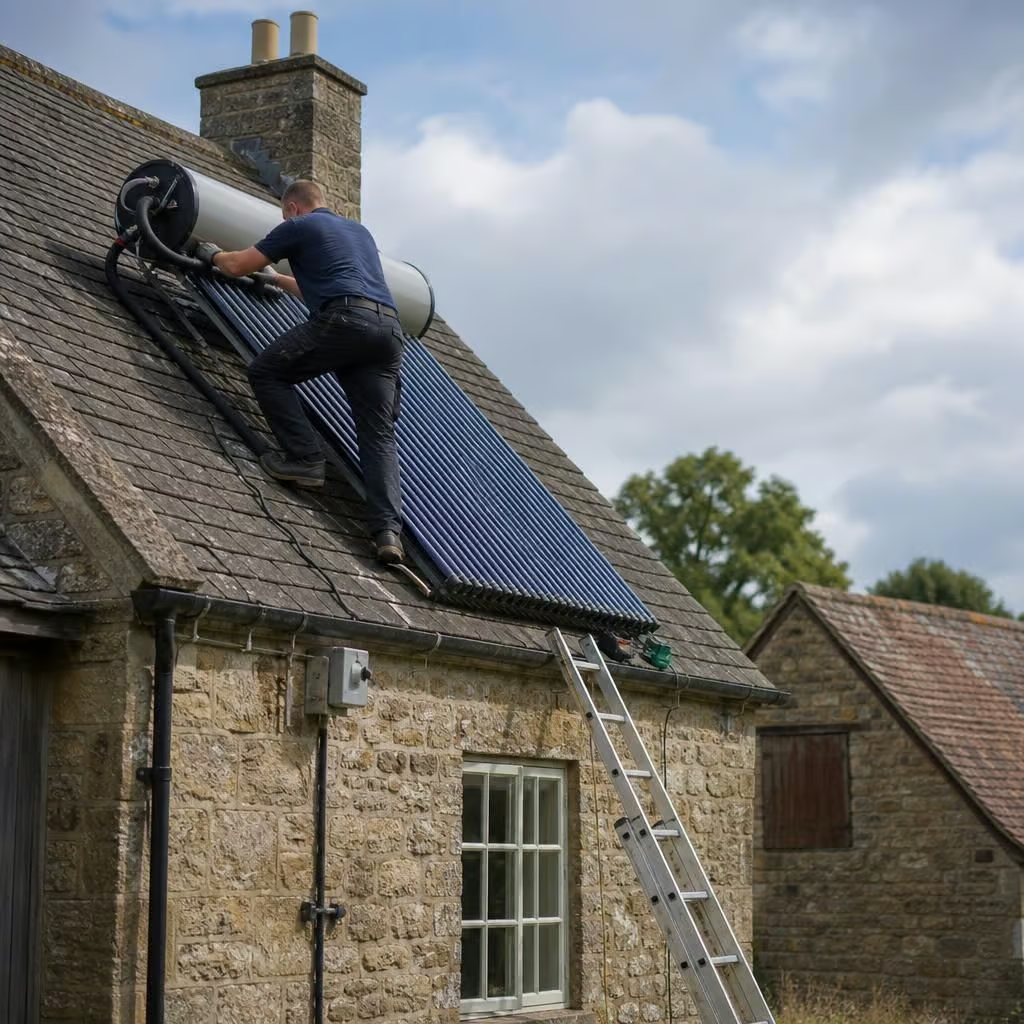
An older property may have changing hot water demands, especially if rooms are used seasonally or the household has grown over time. We look at how much hot water the home uses before sizing the collectors and cylinder, rather than choosing equipment from the roof area alone.
That helps prevent an installation that is too large for the property or difficult to use efficiently. The finished system is planned around the existing heating arrangement and the way the household needs hot water, with backup heating available when solar input is low.