
How disruptive is solar water heater installation?
Solar water heater installation is usually a planned, contained job, but it does involve access to the roof, cylinder and pipework. We protect work areas, route the new connections carefully and complete the necessary checks before leaving the system ready to use.
In most homes, solar water heater installation causes manageable disruption rather than major building work. The main disturbance is usually concentrated in three areas: the roof, the route between the roof and cylinder, and the airing cupboard or plant room. Hot water may be unavailable while we alter the cylinder or connect the new controls, but we explain this before work starts.
The survey determines how much preparation your home needs. We look at the roof covering, access, the loft space, the distance to the cylinder and the condition of the existing hot-water system. A short, accessible pipe route creates less disturbance than a system where pipes need to pass through several rooms. We also check where equipment can be positioned without obstructing storage or access.
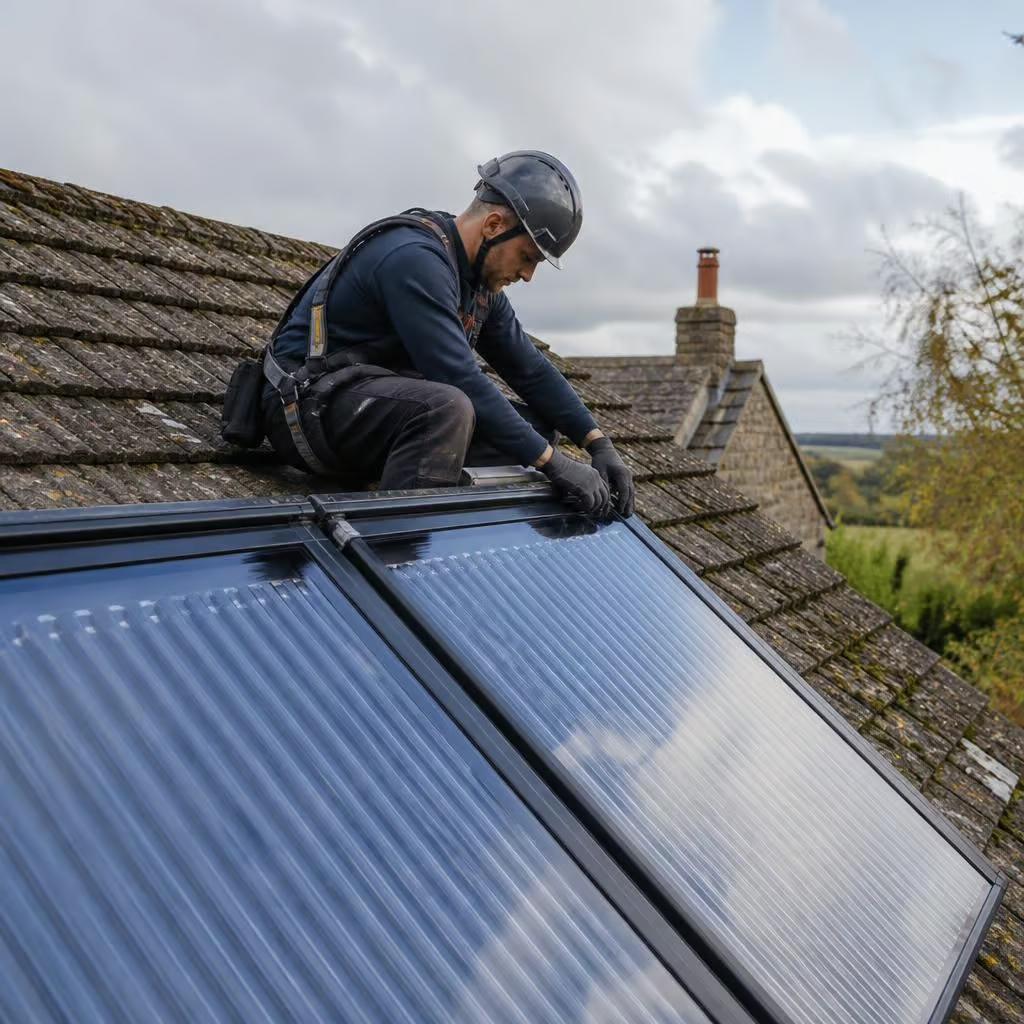
If roof access is straightforward, the external work usually involves positioning the solar collectors, securing the fittings and connecting insulated pipework. Some tiles may need to be lifted temporarily around the fixing points. We protect the roof as we work and make sure the finished fittings sit correctly with the existing covering. Where the roof cannot be accessed safely from ladders, additional access equipment may be needed. We identify that during the survey rather than leaving it as an unexpected issue on installation day.
Inside the property, the pipe route often has the biggest effect on disruption. The solar circuit needs to run between the collectors and the hot-water cylinder. Depending on the layout, we may use the loft, an existing service route or a discreet section of wall. We keep pipework runs as short and accessible as practical, because this reduces both the amount of work inside the home and future difficulty if the system needs attention.
Access to the loft and cylinder area helps the work proceed cleanly. Moving stored items away from the loft hatch, airing cupboard and nearby working space gives us room to protect surfaces and handle equipment safely. If the cylinder is in a tight cupboard, we explain whether panels, doors or shelving need to be removed temporarily. We do not assume that a standard-sized cylinder will pass through an existing opening.
A compatible cylinder can reduce the amount of work. If the existing cylinder has the right arrangement for solar heating, we may be able to retain it and connect the solar circuit with the necessary controls. If it cannot accept heat from the collectors, replacing it creates more internal work. That can involve draining the hot-water system, disconnecting the existing connections, fitting the new cylinder and reconnecting the boiler or immersion heater. We assess this before quoting, so the likely level of disruption is clear.
Changing the cylinder can also affect nearby pipework and cupboard space. A replacement may have different connection positions or dimensions, so we check how it will fit before ordering equipment. The aim is to avoid unnecessary alteration to surrounding rooms and to leave the system accessible for servicing.
The installation may involve a short interruption to hot water. We need to isolate and sometimes drain part of the system before making connections. The length of the interruption depends on whether we are connecting to the existing cylinder or replacing it, and on the route of the pipework. We tell you what to expect before the work begins, including whether you need to plan around bathing, washing or other hot-water use.
There may also be a small amount of electrical work for the pump, controller and associated equipment. This is normally located near the cylinder or in the service area, rather than requiring electrical work throughout the house. We check the controls, sensors and safety components as part of commissioning, then explain how the solar heating works alongside the boiler or immersion heater.
Older homes need a more careful approach to access and finishes. Solid walls, unusual roof construction, exposed beams and listed features can make a direct pipe route unsuitable. We take those details into account when planning the installation, rather than treating the house like a modern property with open service voids. Where access through a finished area is unavoidable, we discuss the route and the work involved before proceeding.
The roof covering also matters. Older tiles can be fragile, and historic or non-standard materials may need particular care. We check the roof condition during the survey and raise concerns before installation. Solar water heating should not be used to disguise a roof that already needs repair, as removing and refitting equipment later creates more disruption.
Most of the mess comes from drilling, lifting tiles and opening small access points for pipework. We use floor and surface protection around the working areas, keep materials together and remove installation waste. If a section of boxing or making-good is required, we explain what that involves. We tidy the areas we have worked in and leave the property as we found it.
Once the collectors, pipework, cylinder connections and controls are in place, we fill and test the system. We check for leaks, confirm that the pump and sensors operate correctly, verify the cylinder temperature controls and make sure the existing heating system still operates as intended. The final checks are important because they confirm that solar heat, stored hot water and backup heating work together rather than leaving you to manage separate systems.
Before the installation date, we provide a written quotation that sets out the proposed equipment and work. This gives you the opportunity to ask about roof access, cylinder changes, internal pipe routes and any likely making-good. A clear survey is the best way to limit surprises: the more we know about the roof, loft and cylinder location beforehand, the more accurately we can plan the work inside your home.
Most disruption is localised rather than spread throughout the house. We agree the working areas before installation, so you know which parts of the loft, airing cupboard or plant room need to stay clear.
That usually means you can plan around the installation without emptying the property. The main restriction is access to the agreed work areas while we handle pipework, cylinder connections and controls. Once testing is complete, we remove installation waste and leave those areas ready for normal use.