How long does solar water heater installation take?
A solar water heater is fitted during a planned installation visit after we’ve surveyed the roof, cylinder and pipework. The overall timescale depends on access, the existing hot-water system and whether any cylinder or pipework changes are needed.
A straightforward solar water heating installation can often be completed during one planned visit. More involved properties may need preparation before fitting, or extra work on the roof, cylinder, pipework or controls.
The process starts with a survey rather than the installation itself. We assess the roof covering, orientation, access and space for the solar collectors. We also inspect the hot water cylinder, existing boiler or immersion heater, pipe routes and control equipment. This tells us whether the proposed system can connect to the property without avoidable alterations.
After the survey, we provide a written quotation and explain the work involved. If the cylinder is suitable and the roof needs no special preparation, we can plan the installation as one continuous piece of work. If the cylinder needs replacing, or access equipment is required, those items are arranged before the fitting date.
On installation day, we normally carry out several tasks in a set order:
- Protect the working areas and establish safe access to the roof.
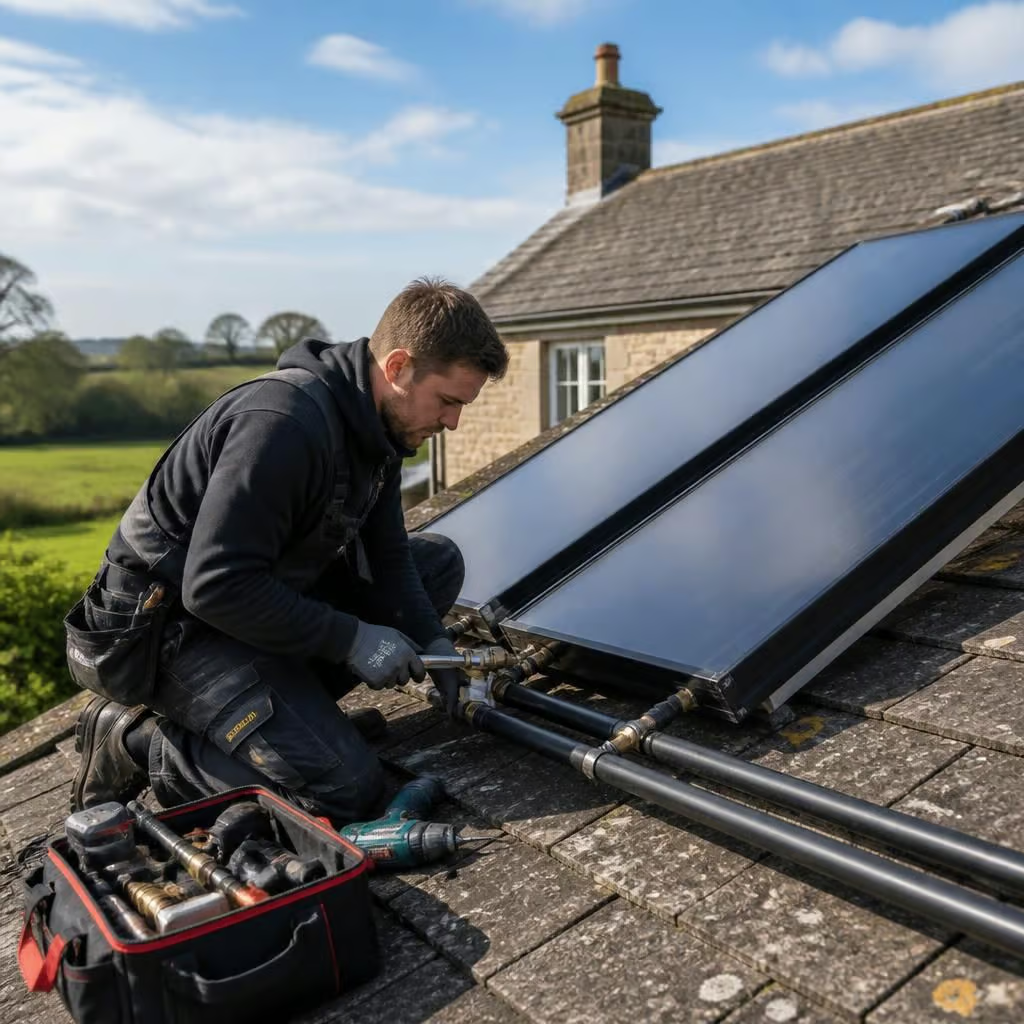
- Fit the solar collectors and connect the external pipework.
- Run insulated flow and return pipes between the roof and the hot water cylinder.
- Install or connect the pump station, sensors and system controls.
- Connect the solar heating circuit to the cylinder and retain the existing backup heating.
- Fill, pressure-test and check the system for leaks.
- Commission the controls and explain how the system operates.
The roof work usually sets the pace. A clear, accessible roof with sound tiles or slates is simpler to work on than one requiring repairs, specialist access or additional protection. Steep roofs, fragile coverings and limited access can extend the preparation and fitting time.
The cylinder is another important factor. A suitable cylinder allows the solar circuit to be connected without changing the rest of the hot water arrangement. An unsuitable cylinder may need replacing, which adds plumbing work and can affect the order in which the job is completed.
Older homes can take longer to plan because pipe routes may be concealed, walls may be difficult to alter and previous heating work may not follow a standard layout. We look for these issues during the survey, so the quotation reflects the actual installation rather than an assumption based on a newer property.
Weather can also affect roof work. The indoor plumbing and control work may still be possible, but we won’t carry out external work in conditions that make access unsafe or affect the quality of the installation.
Once the system is running, we check the collector circuit, cylinder temperature, sensors, pump operation and backup heating. We leave the controls set up for the property and explain what the readings and settings mean. You should know how the solar water heater works alongside the existing heating system before the installation is signed off.
At the survey, we can give a more useful timescale for the complete job because we have seen the roof, cylinder and pipework. The quotation will also show any work that could add to the installation time, such as access equipment, cylinder replacement or repairs to the existing system.
If the roof or cylinder area is difficult to reach, prepare those access points before the fitting date. Clear a safe route to the airing cupboard or plant area, and tell us about any restricted parking, narrow access or fragile surfaces. That helps us bring the right equipment and avoid losing installation time to arrangements that could have been dealt with beforehand.
The installation is complete only after we have tested the system and shown you the controls. Set aside time for that handover, so you know how solar heating, the cylinder and the backup heat source work together.