
How much does solar water heater installation cost?
Solar water heater installation costs vary with the collector system, hot water cylinder, roof access and the plumbing or electrical work needed. We assess the property and existing system before providing a written quotation, so the price reflects the work your home actually needs.
Solar water heater installation costs vary widely because the system must suit the roof, hot water demand and existing heating arrangement. A lower-cost installation may use an existing suitable cylinder and straightforward roof access. The price rises when the cylinder, roof structure, pipework or controls need changing.
A solar water heating system usually includes more than the collectors on the roof. The quotation may cover:
- Solar collectors and their roof mounting equipment.
- A pump station, expansion vessel and solar controller.
- Insulated pipework between the roof and the cylinder.
- A cylinder with the correct coil, if the existing cylinder cannot accept solar heat.
- Roof access equipment and any minor work needed to make the installation weather-tight.
- Commissioning, system fluid and instructions for using the controls.
The collector size affects the material cost, but bigger is not automatically better. The system needs to match the amount of hot water your household uses. Oversizing can increase installation cost without giving the same value in useful heat. We assess hot water demand, roof space and the position of the existing cylinder before recommending a size.
The cylinder is often the largest variable after the collectors. A suitable twin-coil cylinder can accept heat from the solar circuit while retaining the boiler, immersion heater or other backup source. If the current cylinder has the wrong coil, limited capacity or poor insulation, replacing it may be more practical than trying to adapt it. We explain that cost separately rather than hiding it inside a general installation figure.
Roof access also affects the quotation. A simple pitched roof with clear access may need less equipment and labour than a steep roof, a fragile covering or a roof obstructed by dormers and extensions. Older properties can require extra care around slates, tiles and roof timbers. If the building is listed or sits in a protected area, planning requirements may affect the design and cost. We raise those points before work starts.
Pipework between the roof and cylinder can be straightforward in a modern house. In an older home, the cylinder may be on a different floor or inside a cupboard with limited access. Longer pipe runs, difficult routes and additional insulation add labour. We look at where the pipes can run with the least disruption and identify any access work in the quotation.
Solar water heating normally works alongside another heat source. It can reduce the amount of fuel or electricity needed to heat hot water when the collectors are producing useful heat, but it does not remove the need for backup during periods of low solar output. Homes using oil or LPG can still use solar water heating, provided the cylinder and controls are compatible with the existing system.
There is no reliable saving or payback figure that applies to every property. The result depends on hot water use, the fuel that would otherwise heat the cylinder, the roof’s exposure and shading, and how often the backup heater needs to run. We can discuss those factors during the assessment instead of presenting a headline estimate that may not reflect your household.
Grant and payment schemes can change, and not every solar water heating installation qualifies for the same support. We check the current position for the proposed system and set out any eligibility conditions. MCS certification is relevant where a scheme or export arrangement requires an MCS-registered installation, but solar water heating should not be assumed to qualify for support intended for another technology.
The quotation should distinguish between the core system and possible additional work. Ask whether it includes access equipment, cylinder replacement, electrical connections, roof repairs, system filling, commissioning and removal of old equipment. We provide a written quotation before work starts, with the assumptions and any exclusions clear, so the final cost does not depend on charges appearing later.
Our survey also checks whether solar water heating is suitable at all. Heavy shading, insufficient roof space, an unsuitable cylinder location or low hot water demand can make another approach more sensible. If the expected benefit does not justify the installation cost, we will explain why rather than recommend equipment that does not fit the property.
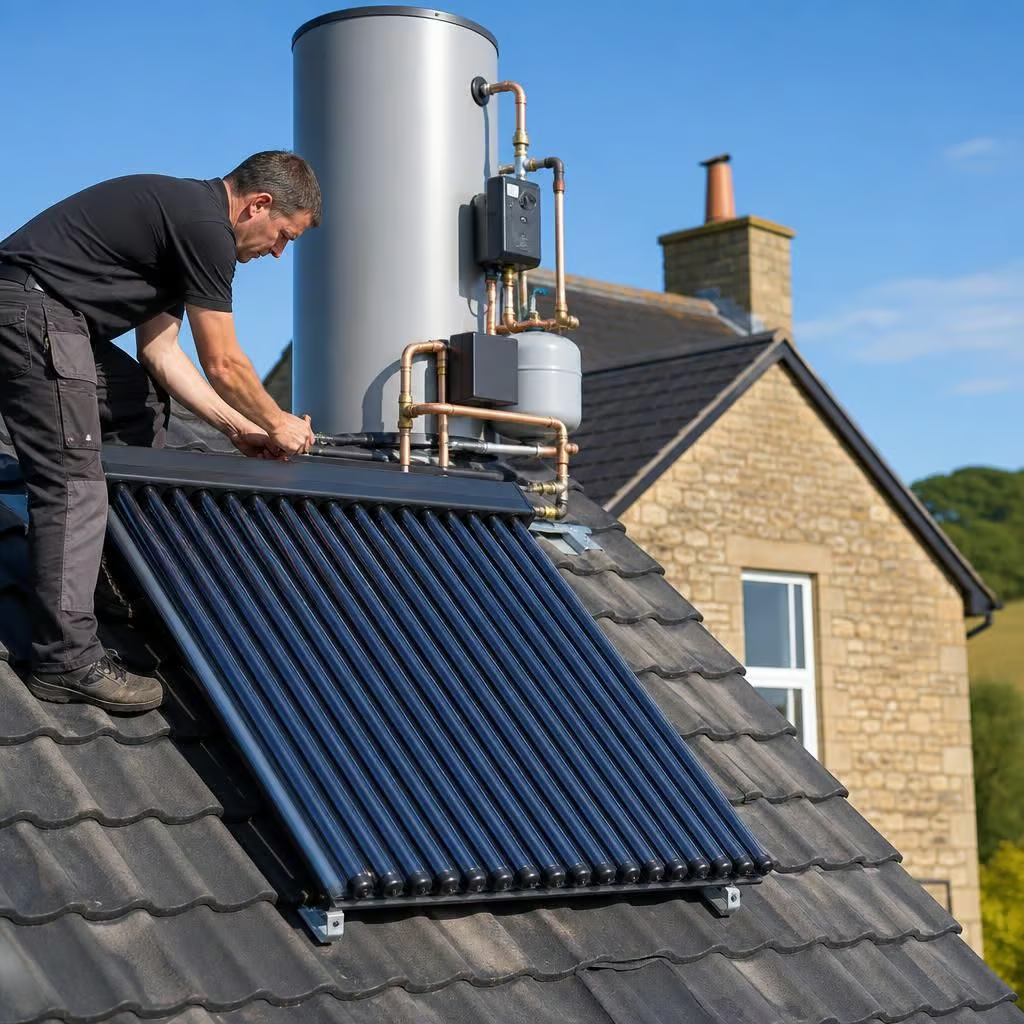
A low advertised price may cover only the collectors, not the parts that make them work with your home. The final figure can change when the survey identifies a different cylinder, longer pipe route or extra roof access equipment.
We separate the essential installation work from optional improvements, such as replacing an older cylinder that still works but limits performance. That leaves you able to compare the cost of solar water heating with the likely benefit for your household, rather than choosing from a headline price that leaves important work out.