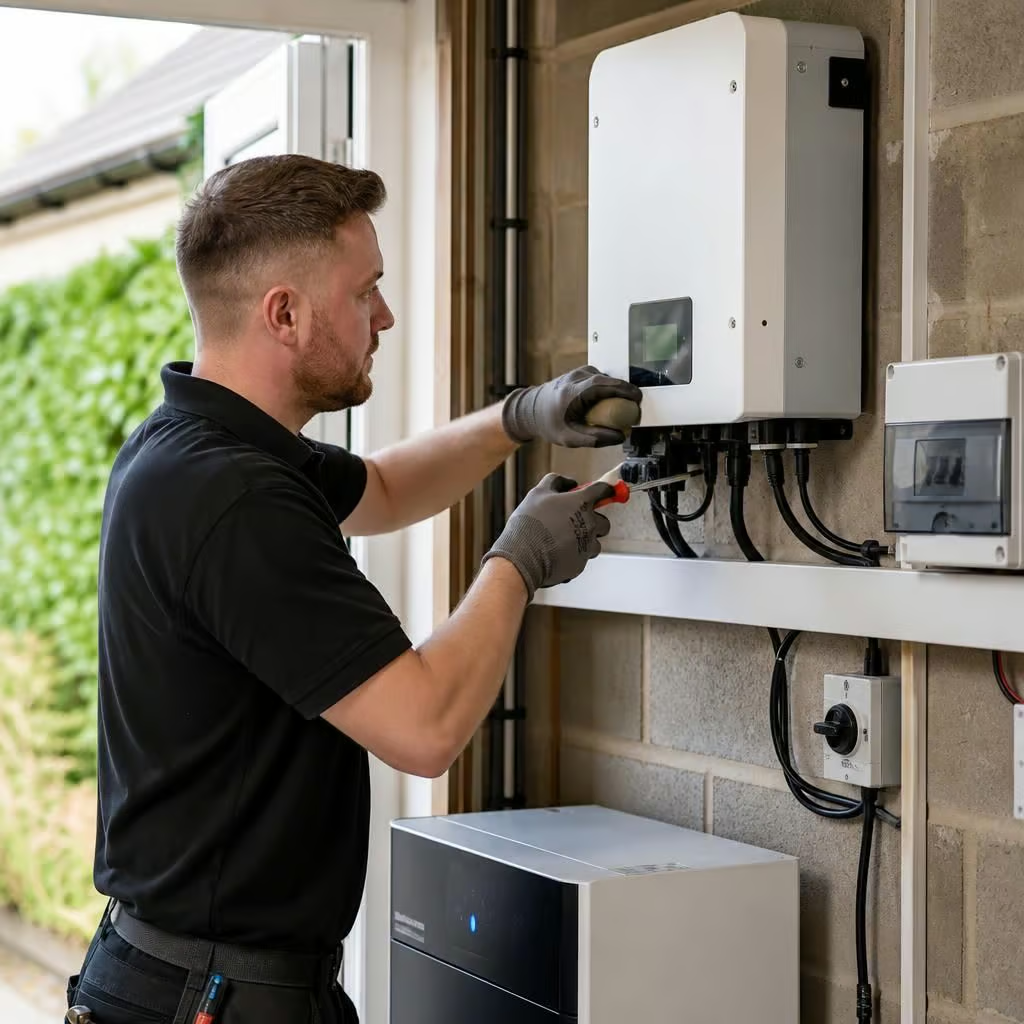
How long does replacing a solar inverter take?
Replacing a solar inverter is often completed in a single visit, provided the replacement unit is compatible and available. We first check the existing wiring, panel layout and monitoring system, because remedial electrical work or changes to the system design can extend the installation.
Most solar inverter replacements take one working visit. The total timescale can be longer if we need to identify the correct unit, arrange approval for a change in system capacity, or resolve wiring, battery or communication faults first.
The inverter is usually mounted near the consumer unit, in a utility room, garage or outbuilding. We normally work from that location, so replacing it does not usually involve removing panels from the roof. Your solar generation will be switched off while we isolate the system and carry out the electrical work.
Before the replacement
The make, model and electrical rating of the existing inverter help determine which replacement will work with the panels. We also need to know whether the system includes battery storage, export monitoring, a backup supply or a separate generation meter.
A fault code does not always mean that the inverter itself has failed. A tripped protection device, damaged cable, poor connection, failed fan or communication problem can produce similar symptoms. We test the installation before ordering equipment, so you are less likely to pay for an inverter when another component caused the fault.
If the replacement changes the system’s generation or export capacity, the network operator may need to approve the alteration. That administrative step can add time before the installation date. We explain this in the quotation rather than treating it as an unexpected delay.
What happens during the visit
- We isolate the solar array, inverter and relevant consumer unit circuits.
- We remove the failed unit and inspect the cable terminations, protection and mounting area.
- We fit the replacement and connect the solar strings, monitoring equipment and battery controls where applicable.
- We test the DC and AC sides of the installation before bringing the system back into operation.
- We check the display, communications and generation readings, then explain any changes to the monitoring app.
The solar panels can remain in place throughout. Your home may experience a short interruption to the circuits connected to the solar equipment, and the system will not generate while it is isolated. A battery may also be unavailable during the work and may need time to return to its normal operating mode afterwards.
What can make the work take longer?
- The original inverter is obsolete and a compatible replacement is difficult to source.
- The system includes a battery or other equipment that needs compatible settings.
- The inverter is in a loft, outbuilding or awkward position, making safe access more involved.
- We find heat damage, loose connections, water ingress or cable deterioration behind the unit.
- The replacement requires changes to protection, earthing, metering or the network connection.
- The monitoring platform needs to be reconfigured after the new inverter is commissioned.
Older installations deserve particular care because the inverter may not be the only part that has aged. We record the condition of the surrounding wiring and protection equipment, then separate essential remedial work from optional improvements in the quotation.
We provide the price and scope before work starts. Once the installation is complete, we leave you with the relevant test information and explain how to confirm that the system is generating normally. MCS certification also matters where the replacement forms part of an eligible renewable installation, because it supports the paperwork associated with export arrangements.
If the inverter has stopped working, send us its make, model, display message and any information from the monitoring app. A photograph of the unit and consumer unit can also help us assess the likely replacement before arranging the work.
A replacement inverter needs to suit the whole system, not just the solar panels. We match its electrical characteristics with the array, battery and export setup, so the new unit can operate within the design limits of the installation.
That check also helps avoid an unnecessary change to the way your system works. Where the existing arrangement is sound, we keep the replacement focused. If the equipment has been altered over time, we explain any additional work before it affects the installation date or price.