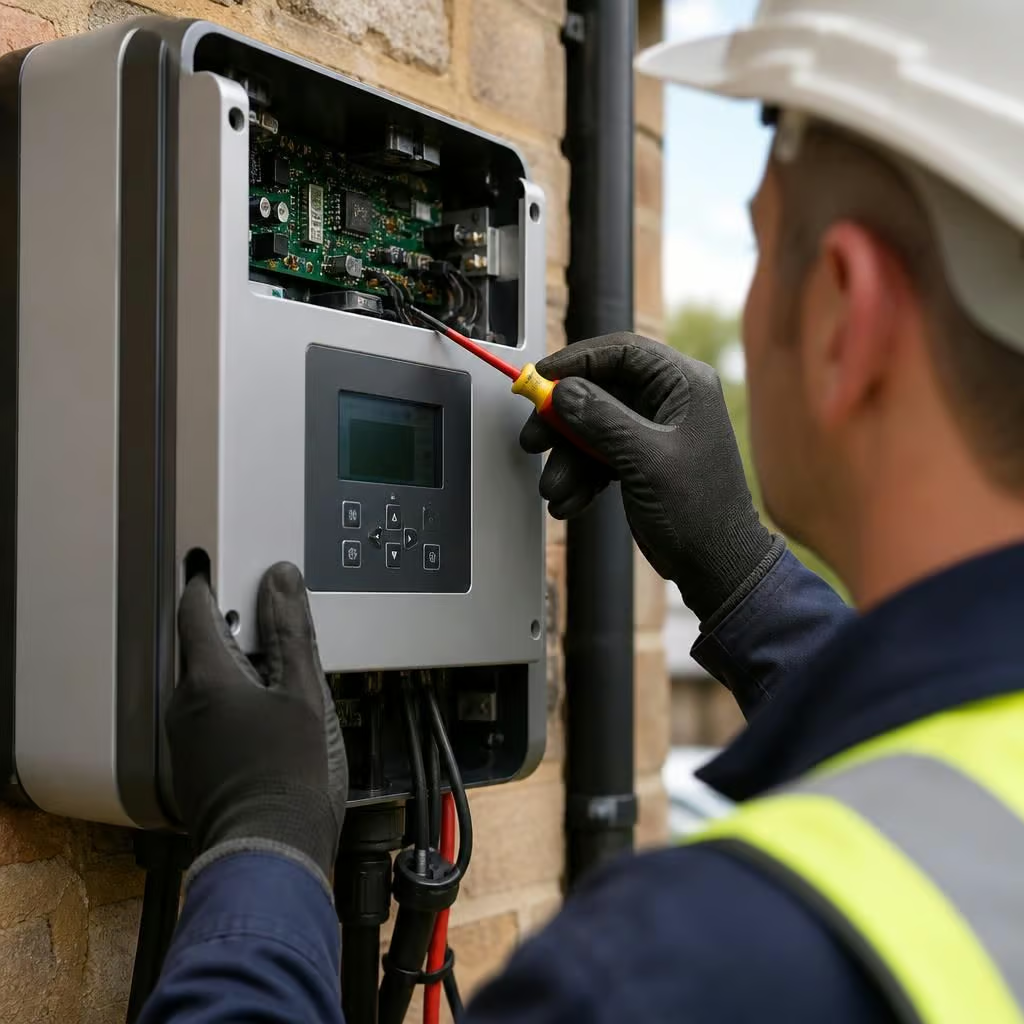
Is a solar inverter fault dangerous?
A solar inverter fault isn’t always dangerous, but it can indicate overheating, damaged cabling or an electrical protection problem. Don’t open the inverter or keep resetting it; if you notice smoke, a burning smell, crackling or heat, keep away and call a qualified solar electrician.
Most solar inverter faults are protective shutdowns rather than an immediate danger. The risk depends on what caused the fault, where the damage is, and whether the system includes battery storage. Treat a failed inverter as live until a qualified electrician has checked and isolated it properly.
A solar installation has more than one source of electricity. The grid supplies the inverter through the AC side, while the panels can continue producing DC electricity in daylight. An inverter may also hold electrical energy briefly inside its capacitors after the supply has been switched off. A battery system adds another high-energy DC source.
That means switching off the household consumer unit does not necessarily make the whole solar installation safe. The panel isolator, inverter isolator and battery isolation equipment may all form part of the shutdown procedure. Do not remove covers or attempt to reach internal terminals.
When a fault is usually less serious
A blank display, monitoring-app warning or loss of generation may result from a communications fault, a grid interruption or the inverter protecting itself from an unsuitable voltage. The panels may simply stop exporting electricity while the inverter waits for safe conditions to return.
That is not a reason to ignore the problem. Repeated shutdowns can point to a loose connection, insulation fault, poor ventilation, water entering the installation or a problem with the grid supply. Continuing to reset the inverter can hide useful fault information and may place further strain on damaged equipment.
When an inverter fault can become dangerous
- Electric shock: damaged cables, failed insulation or an incorrectly functioning isolator can leave parts of the system energised.
- Fire: a loose termination, overheated connection or failed internal component can generate heat at the inverter or along the DC cable route.
- Arc faults: DC arcing can continue more readily than an AC arc because the solar array supplies power whenever there is sufficient light.
- Water-related damage: moisture around electrical connections can cause tracking, corrosion and later failure, even if the inverter initially continues to operate.
- Battery risks: a hybrid system has additional isolation points and stored energy. A battery fault needs assessment as part of the complete installation, not just at the inverter.
If the inverter is making repeated noises, the enclosure is visibly damaged, or the surrounding material shows signs of heat damage, keep people away from it and contact a qualified electrician. If there is an active fire, leave the property and call the emergency services. Do not use water on electrical or battery equipment.
What you can safely check
From a safe distance, note the inverter’s display message, warning light, time of failure and whether the household supply is working normally. Take a photograph of the screen if you can do so without opening anything or approaching a damaged unit.
Check the manufacturer’s normal user instructions for the labelled external isolators. Only operate them if the instructions clearly describe the procedure and the equipment is intact and dry. Stop if an isolator will not move normally, the enclosure is damaged, or the installation does not match the instructions.
Do not open the inverter, test voltage with a handheld meter, disconnect solar plugs or work on the roof. Solar connectors can remain energised in daylight, and separating them under load can create an arc.
How an engineer establishes the risk
We begin with the fault history and the system layout, including any battery, monitoring equipment and recent electrical work. The inverter is then inspected externally before we establish which supplies are present and isolate the installation using the correct sequence.
Our NICEIC-registered electricians check the AC and DC isolators, cable entries, connectors, earthing, protective devices and ventilation. We use appropriate electrical tests to identify insulation problems, supply irregularities and faults that may not be visible. For a battery installation, we assess the battery and its protection equipment as well as the inverter.
The result may be a reset after the cause has been dealt with, a repair to a connection or protection device, or replacement of a failed inverter. A fault code alone does not determine which option is safe. The underlying cause matters, particularly if the inverter has been shutting down repeatedly.
When the system can be used again
Do not return the installation to service just because the warning has disappeared. The engineer needs to confirm that the original fault has cleared, the protective devices operate correctly and the inverter can reconnect without abnormal readings. We explain what was found and provide written details of any further work recommended.
If the issue is limited to monitoring, the panels may still be electrically sound, but the loss of generation should still be investigated. If the inverter has suffered heat, moisture or component damage, leaving it isolated until the repair is complete is safer than relying on intermittent operation.
For a solar inverter fault that has no obvious physical warning signs, the safest approach is to record the message, avoid internal access and arrange an assessment. For a system that includes batteries or an older installation, tell the electrician this when you make contact so the whole electrical system can be considered.
A fault that appears only in bright sunshine, after rain or when household demand changes gives the engineer useful context. Note when it happens, what the display shows and whether generation stops completely. That pattern can point towards the panels, the grid connection or the inverter itself.
Keep the information with a photograph of the display, taken from a safe distance. We can use those details to prepare for the assessment, while the installation remains untouched until its condition has been checked.