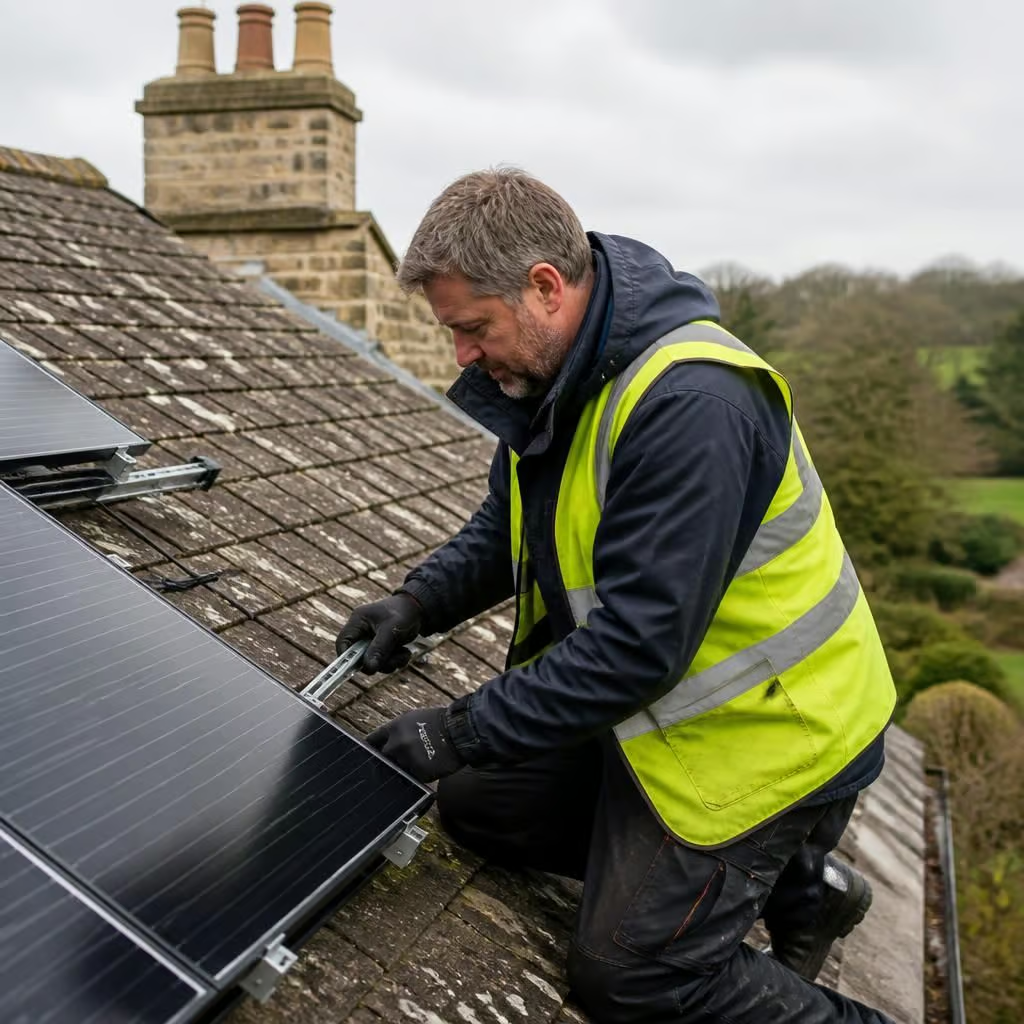
Does an older home cost more to fit with solar panels?
Sometimes, but an older home does not automatically cost more to fit with solar panels. Extra cost usually comes from roof repairs or strengthening, difficult access, fragile or unusual tiles, longer cable routes, or electrical upgrades identified during the survey.
An older home can cost more to fit with solar panels, but age alone does not determine the price. The main differences come from the roof covering, access, electrical installation and the route from the panels to the consumer unit.
The roof condition matters first. If tiles, slates, battens or fixings need attention, installing panels before that work can create extra cost later. We check whether the roof is suitable for the panel fixing system and discuss any repairs before installation goes ahead. A roof that needs replacing may be better dealt with first, rather than having the panels removed and refitted afterwards.
Older properties often have more complicated roof shapes. Dormer windows, roof valleys, chimneys and several small roof areas can reduce the usable space and make the design more involved. They may also create shading at different times of day. We map the roof and position the panels around these features, rather than assuming that every roof area can be used.
Access can affect the installation cost. A steep roof, narrow passage, conservatory or limited space for equipment can make delivery and scaffolding more difficult. Fragile or uneven roof coverings need careful handling. These are practical site issues, not a penalty for owning an older property, but they can add labour or access costs.
The electrical installation may also need work before it can accept a solar system. Some older homes have consumer units, earthing arrangements or cable routes that do not meet the requirements for new generation equipment. That does not automatically mean the house needs a full rewire. We test the relevant parts of the installation and explain which changes are necessary for a safe connection.
The distance between the roof, inverter, battery and consumer unit affects the amount of cable and containment required. In a house with a suitable loft and a nearby utility room, the route may be straightforward. Solid walls, finished rooms and outbuildings can make it harder to hide cables without additional work. We agree the route with you before installation, so you know where the equipment and visible cable runs will be.
Listed buildings and properties in conservation areas may need extra checks before panels are approved. The roof position, visibility from public viewpoints and local planning requirements can all matter. We identify these points during the design stage and tell you if consent or further advice is needed. A heritage property should not be treated like a standard new-build roof.
Older rural homes can still be good candidates for solar. A solid-wall house, barn conversion or off-gas-grid property does not rule it out. The important questions are whether the roof can take the fixing system, whether the electrical installation can be connected safely and whether the panel layout will produce useful generation.
If the property has an unusual roof or limited daytime electricity use, battery storage may form part of the comparison. It can change the equipment and installation cost, so we assess it against the household’s electricity pattern rather than adding it automatically. The same design review considers whether export arrangements are suitable for the system.
We provide a written quotation before work starts. It separates the panel system from any roof repairs, access equipment, electrical upgrades or optional battery storage. That gives you a clearer basis for comparing the cost of fitting solar to an older home with the cost of installing it on a simpler roof.
For a new solar installation, our MCS certification means we can make a Boiler Upgrade Scheme grant application only where the work falls within that scheme’s rules, and it allows the installation to qualify for the Smart Export Guarantee. We check the current requirements rather than assuming that every older property or system is eligible.
If your roof covering is nearing the end of its life, fitting solar first can increase the total cost. The panels may need removing while the roof is repaired, then refitting afterwards.
We look at the roof’s condition before designing the system. That helps you decide whether repair or replacement should come first, instead of committing to a solar installation that creates extra work later.