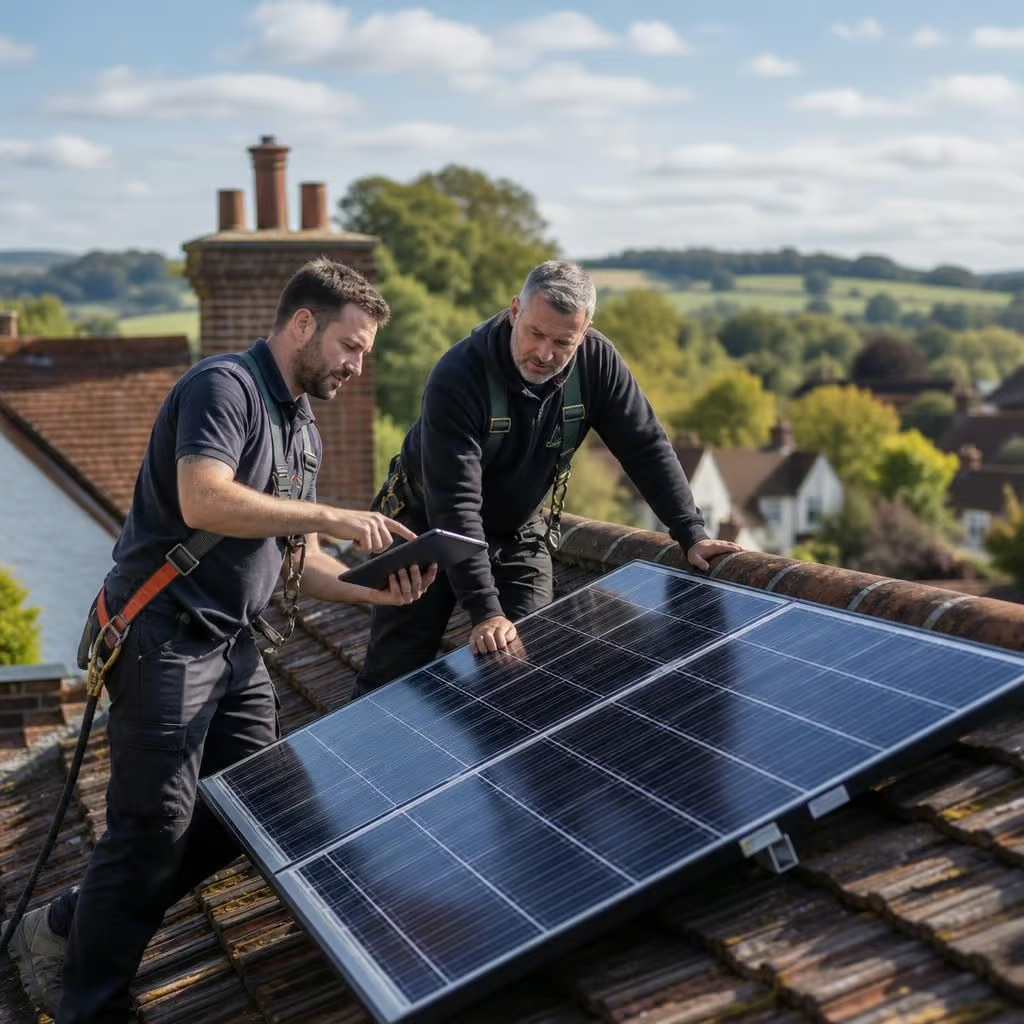
How do you calculate the cost of solar panels for my home?
We calculate the cost from the system size your electricity use calls for, the roof and access, any electrical work, and whether you add battery storage. A survey lets us price the installation around your home rather than rely on a typical system estimate.
The cost is worked out from the amount of equipment your home needs and the work required to install it safely. Panel count is only one part of the calculation. A smaller system on a straightforward roof may cost less than a larger system where access, cabling or electrical upgrades add complexity.
Your electricity use helps us choose a sensible system size. We look at how much electricity the household uses and when demand is highest. A home that uses more power during daylight may use more of its solar generation directly. If most electricity is used in the evening, battery storage may change the overall cost and the way the system is sized.
We do not size the installation simply to fill every available part of the roof. An oversized system can export more electricity than the home can use at the time it is generated. The calculation needs to balance generation, household demand, available roof space and the cost of the equipment.
- Panels and inverter: The quotation includes the number of panels, their electrical output and the inverter needed to convert their power for use in the home.
- Battery storage: If a battery is suitable, we assess its capacity against your electricity use and likely surplus generation. The battery size affects the equipment cost, but a larger battery is not automatically the right choice.
- Roof layout: Several roof faces, dormer windows, chimneys or areas of shading can reduce the usable panel area. They may also require additional design work or electrical equipment.
- Roof covering and condition: Slate, tiles and other coverings need different fixing methods. If the roof needs repair before panels are fitted, we identify that separately rather than hiding it in the installation price.
- Access and lifting: The cost reflects how safely equipment can reach the roof and where installation materials can be stored. Restricted access or a more involved scaffold arrangement can increase the labour and access element.
- Cable route: The distance between the panels, inverter, consumer unit and battery affects the amount of cable and containment required. A short, accessible route is different from one through several floors or outbuildings.
- Electrical upgrades: Your existing consumer unit, earthing and other protective equipment may need checking or upgrading. We include the electrical work needed for the solar system to operate safely, rather than assuming the existing installation is ready.
- Monitoring and export equipment: The system may need generation and monitoring equipment so you can see what it produces and what the home uses. Export arrangements and the associated paperwork are considered as part of the system design.
Shading has a direct effect on the calculation. Trees, neighbouring buildings and roof features can reduce generation at particular times of day. We consider where the shade falls and whether the proposed layout needs additional equipment to manage panels working under different conditions.
Battery storage is priced as an addition to the solar installation, but its value depends on how the home uses electricity. We consider daytime demand, evening consumption and any planned changes such as an electric vehicle or heat pump. Those details help us avoid recommending storage that is larger than the property can use effectively.
The condition of the wider electrical installation also matters. An older consumer unit or an unsuitable cable route can mean more work before the panels are connected. That work is part of making the installation safe and compliant, not an optional extra added after the panels arrive.
We separate the main elements in the written quotation, including the generation equipment, battery if included, access arrangements and electrical work. This shows which parts of the price relate to the system itself and which relate to the property.
Solar panels are fitted by MCS-certified installers. That certification means we can make a Boiler Upgrade Scheme application for eligible heat pump work, and it makes a solar installation eligible for the Smart Export Guarantee. The relevant scheme and tariff position still needs checking for the proposed installation, because those arrangements can change.
We also explain items that may sit outside the solar price. Roof repairs, changes to a wider electrical installation and work on detached buildings may need separate consideration. You can then compare quotations on the same basis rather than comparing panel numbers alone.
The result is a price based on the equipment, the property and the installation method. It also gives you a clearer view of what the system is designed to do before you decide whether solar is suitable for your home.
A roof measurement can suggest a panel count, but it cannot confirm the installation price. The final figure depends on what we find at the property and the safe method of fitting the system.
That matters particularly on older homes, where roof access, cable routes and existing electrical equipment may not follow a standard layout. We record those conditions during the survey and explain any effect on the quotation, so the price reflects the work your home actually needs rather than an estimate based on roof area alone.