
What should a solar installer check before recommending a system?
Your roof, shading, electrical installation and electricity use all affect the right system, so we check each before recommending panel and battery capacity. We then explain the likely generation, costs, export options and any preparatory work for your property.
A sound solar recommendation checks more than how many panels fit on the roof. We look at the building, the electrical installation, permissions, cable routes, battery use and the costs of making everything work together. That tells you what can be installed safely and whether the expected long-term value makes sense for your home.
The roof structure and coverings
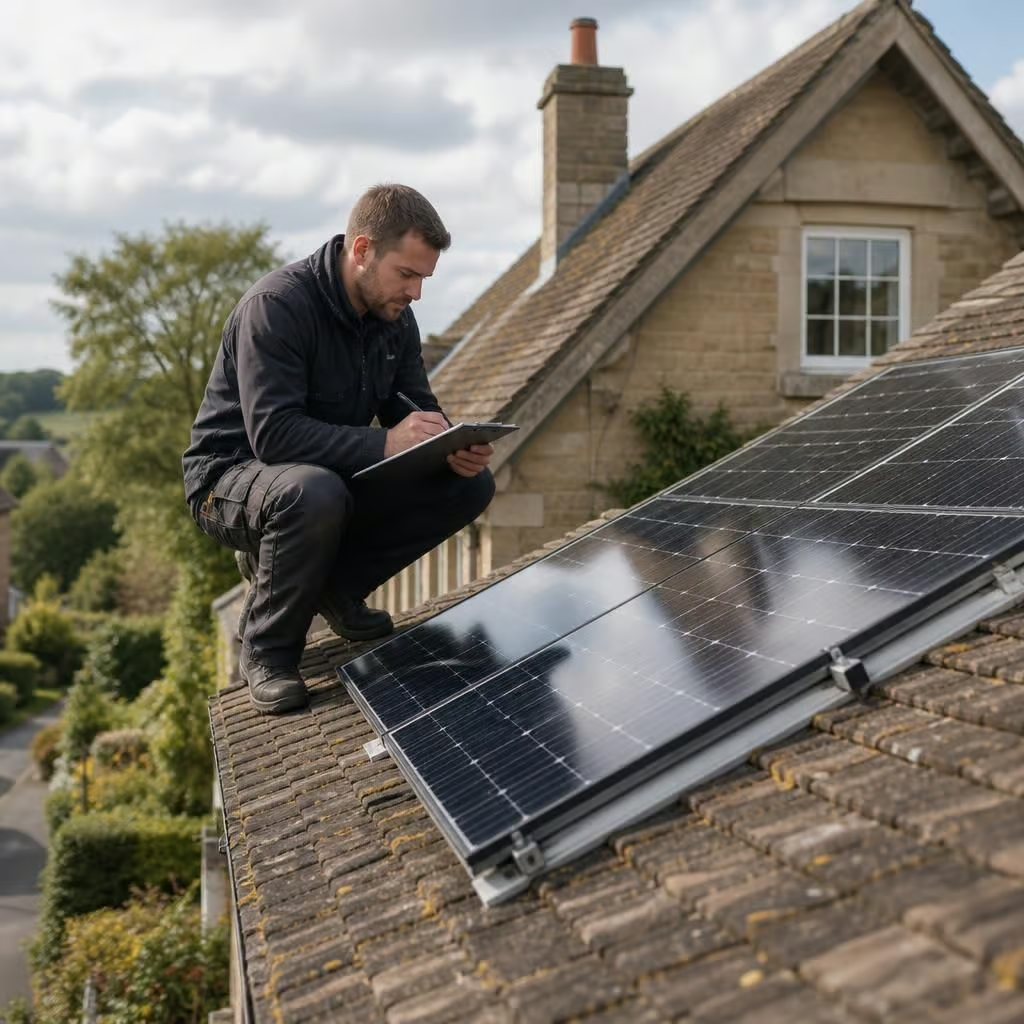
Older tiles, slate, stone roofs and previous repairs can affect the fixing method. We check the roof covering, its condition and the structure beneath it before recommending panel locations. If the roof needs repair or replacement, that is worth dealing with before panels are fitted. Removing and refitting a solar array later adds cost and disruption.
Pitch, orientation and shading also affect the output from each roof section. Chimneys, trees, neighbouring buildings and dormer windows can cast shade at different times of day. We use those details when estimating generation rather than assuming every panel will perform in the same way.
The electrical installation
Your consumer unit, earthing and existing cabling need to accommodate the new equipment. We check their condition and capacity, along with the proposed position for isolators, inverters and battery equipment. An older installation may need electrical work before the solar system can be connected safely.
The cable route matters too. A short, protected route may be possible, while a detached garage, outbuilding or thick-walled property can require a more involved approach. We discuss where cables will run and how much access is needed, rather than leaving those decisions until installation day.
How the electricity will be used
Panels generate most of their electricity during daylight, while many homes use more electricity in the morning and evening. We consider the pattern behind the electricity bill, not only the annual total. That helps us judge whether panels alone are suitable or whether a battery could store surplus generation for later use.
A battery is not automatically the right addition. We consider its usable capacity, charging and discharging limits, position, access and how it would interact with the inverter. If your household use is low or most electricity is already used during daylight, a larger battery may not be justified. The recommendation should reflect that rather than adding storage by default.
Future changes can matter, but they need to be realistic. An electric vehicle, electric heating or a change in occupancy could alter the way the system is used. We can account for those plans when selecting equipment, while avoiding a system that is oversized for the property as it stands.
Planning and property restrictions
A standard installation may be treated differently from work on a listed building, a property in a conservation area or a building with restrictive planning conditions. The roof design, panel position and visibility from public areas can all affect what is acceptable. We identify potential planning issues before work is agreed and explain when advice from the planning authority or a conservation officer may be needed.
Listed or historic buildings need particular care around fixings, cable routes and visual impact. Solar may still be possible, but the best location may not be the most obvious one. We do not recommend a layout simply because it produces the highest theoretical output if it creates a permissions or building problem.
Connection and compliance requirements
The proposed inverter and system size must suit the electrical connection to the property. We check the requirements for notifying or applying to the distribution network operator, including any restrictions that could affect the design. This is important where solar and battery storage are being installed together.
We also consider access for maintenance, safe isolation and the position of warning labels and protection equipment. Those details are part of a proper design, not additions to resolve after the panels are on the roof.
The practical installation work
Scaffolding, roof access, equipment delivery and the route into the inverter or battery location all affect the work. A rural property, outbuilding or barn conversion may have longer cable routes and more than one building to consider. We check these points during the survey so the quotation reflects the actual installation rather than a simple panel count.
The battery location needs suitable space, protection from avoidable damage and reasonable access. We also consider how visible the equipment will be and whether it can be reached for inspection or replacement without unnecessary disruption.
The financial and export position
We compare the likely generation with the electricity you may use directly, the amount that could be stored and the amount likely to be exported. That gives a property-specific view of the system size and battery choice. It is more useful than quoting a generic saving or payback period.
We explain what is included in the price, such as panels, inverter, mounting equipment, protection, scaffolding, electrical alterations, commissioning and certification. Written quotations are provided before work starts, with assumptions and exclusions made clear so additional charges do not appear unexpectedly.
Certification and handover
Your installation needs the right records for future maintenance, insurance and export arrangements. As an MCS-certified installer, we can provide the certification needed for the Smart Export Guarantee and deal with the relevant installation paperwork. We commission the system, explain the monitoring and show you how to use the inverter and battery controls.
The final recommendation should leave you knowing why that panel layout, inverter and battery size have been chosen, what work is needed before installation and what limitations apply. If the roof, electrical system or permissions make solar unsuitable, we explain that before you commit to the work.
Solar output changes through the year, so a recommendation should not treat one annual estimate as a guaranteed result. We explain how the proposed array is expected to perform in different seasons and how much electricity may be used in the home rather than exported.
Your current tariff and likely export arrangements also affect the comparison between panels alone and panels with a battery. We set out those assumptions clearly, so you can see which parts of the recommendation depend on your household’s future electricity use.