
Is my home suitable for solar panels?
Your home may be suitable for solar panels if it has enough usable roof space, limited shading and a roof structure in suitable condition. We assess the roof, orientation, shading, electrical system and household energy use before recommending whether solar is practical for your property.
Most homes can have solar panels, but a suitable installation depends on more than whether panels will physically fit. We need to confirm that the roof can carry the system, that the electrical installation can accept it, and that planning or building restrictions won’t prevent the work.
The roof structure matters
Older homes often have a mixture of roof coverings, extensions and previous repairs. Slate, clay tiles and modern concrete tiles can all affect the fixing method. A roof may also need attention before panels are fitted, because removing panels later to repair the covering adds cost and disruption.
We look at the roof construction, covering and accessible timbers during the survey. If the condition is uncertain, we explain what needs checking before we quote. We won’t recommend mounting panels on a roof that needs substantial work first.
Listed buildings and planning restrictions need checking
Many domestic solar installations fall within permitted development rules, but those rules do not apply in every situation. A listed building, conservation area or property with specific planning conditions may need further approval. The position can also depend on where the panels sit and how far they project from the roof.
We identify potential restrictions as part of the design discussion. Where a planning application or additional consent may be needed, we tell you before the installation is agreed. A home being listed or in a sensitive area does not automatically rule solar out, but it can limit the layout or equipment position.
The electrical installation must be ready
Solar panels produce direct current, which an inverter converts into the alternating current used in the home. The inverter, generation meter and protective equipment then connect to the property’s electrical system. The existing consumer unit, earthing and cabling need to be suitable for that connection.
If the consumer unit is old or the earthing arrangement needs improvement, we explain the work required rather than treating it as an unexpected extra. Some homes need an electrical upgrade before solar can be connected safely. We include agreed work in the quotation before anything starts.
The local electricity network may also need to approve the connection. We deal with the relevant application and explain any conditions that affect the system design. This is particularly important where you are considering a larger array, battery storage or exporting a significant amount of electricity.
Solar can work well in an older or rural home
A solid-wall house, barn conversion or off-gas-grid property is not automatically unsuitable. Solar panels generate electricity independently of whether the home uses mains gas, oil, LPG or another heating system. The important questions are how the electricity will be used and how the system can be connected.
Older properties can have unusual roof layouts, long cable routes or outbuildings that need careful consideration. We design around the building rather than assuming a standard house layout. If the practical restrictions make solar poor value or unsuitable, we explain that clearly.
Your electricity use affects the design
A system designed around daytime electricity use may suit a home with people in during the day, an immersion heater, a heat pump or an electric vehicle. A battery can store some generation for later use, although it does not make every solar system financially worthwhile.
We discuss how the property uses electricity across the day and through the year. That helps us assess whether panels alone, panels with a battery, or a smaller system is the more sensible choice. We work out the expected value for the property rather than presenting a generic saving or payback period.
If you already have an EV charger, heat pump or electric heating, we consider those loads when planning the system. Solar may help reduce the electricity bought from the grid, but we won’t describe it as a way to eliminate imported electricity altogether.
Battery storage and export payments
Solar electricity that is not used immediately can be exported or stored. A battery may increase the amount of generation used in the home, but its size should reflect the array and the household’s demand. An oversized battery can add cost without giving a useful improvement.
Our solar installations are completed by MCS-certified installers. This means the completed system can meet the requirements for the Smart Export Guarantee, subject to the energy supplier’s own terms and application process. We explain the paperwork and the information you need to provide.
What happens before you decide
We start with a discussion about the property, its electricity use and any future plans. We then assess the roof and electrical connection, consider equipment positions and identify any planning or network issues.
Our written quotation sets out the proposed panel arrangement, inverter, battery if required, cable routes, electrical work and any exclusions. It also explains work that may be needed before installation. You can then compare the likely cost and practical benefit with the condition of the property.
The survey does not commit you to installation. Its purpose is to establish whether solar is technically suitable and sensible for your home. If the answer is no, or if another improvement should come first, we say so before you spend money on the work.
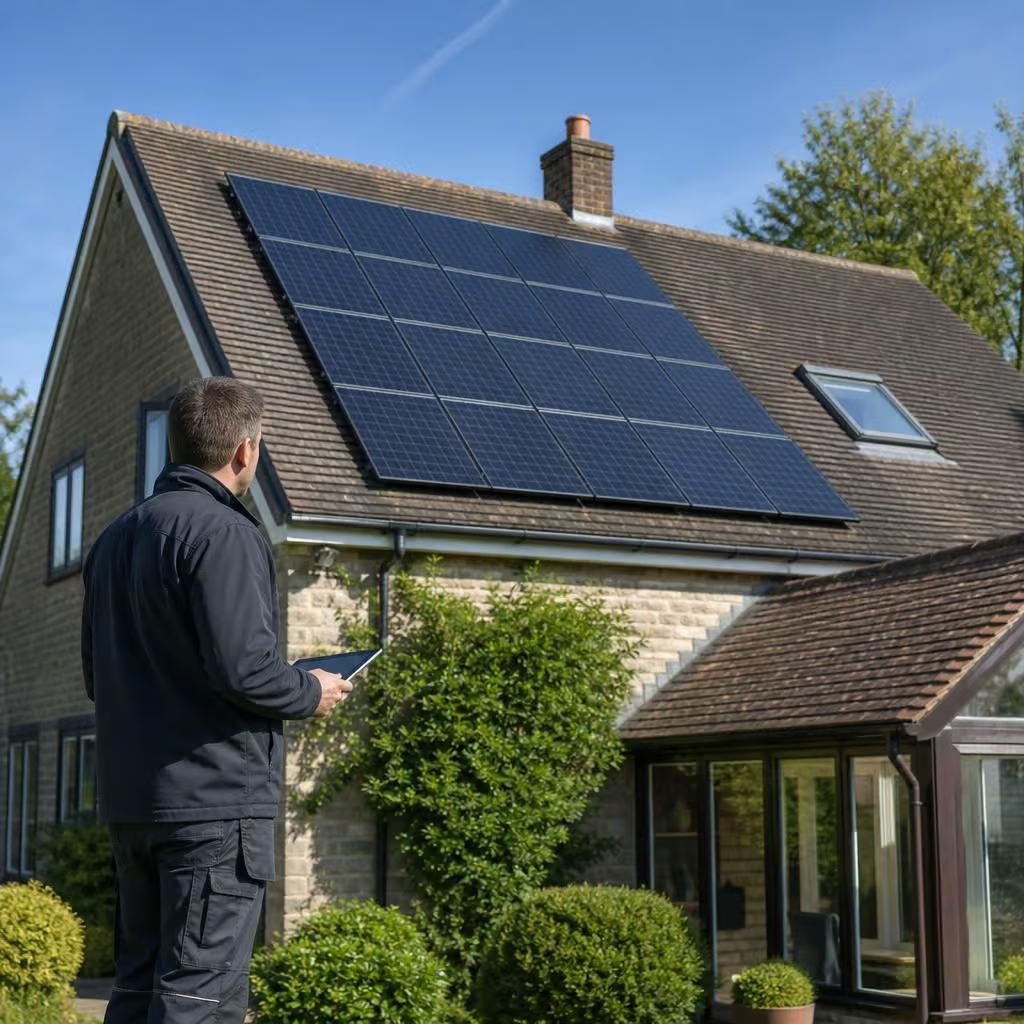
If trees, chimneys or neighbouring buildings shade part of your roof, the panels may produce less electricity at certain times. We assess the roof faces and the pattern of shade before recommending a layout, rather than judging suitability from the roof direction alone.
A smaller unshaded area may be more useful than filling every available section. We explain how shading, roof angle and panel position affect the expected generation, so you can decide whether the available roof space justifies the installation.