
Does a larger solar system always cost less per kilowatt?
Often, yes: a larger solar system can cost less per kilowatt because design, scaffolding and electrical work are spread across more panels. It isn’t automatic, though; roof layout, inverter capacity, battery storage, access and extra electrical work can make a larger system more expensive per kilowatt.
Usually, but not in every case. A larger solar system can reduce the cost per installed kilowatt when the extra panels use the same roof, access arrangements and electrical equipment. The result changes when the larger design introduces extra work or produces more electricity than the property can use effectively.
Some installation costs stay broadly the same. The survey, design work, scaffolding, access equipment, commissioning and much of the electrical connection do not necessarily double when the panel count increases. Spreading those costs across more installed capacity can make a larger system look cheaper per kilowatt.
The panel cost itself usually rises with the system size. So do the roof mounting materials and the labour needed to fit and connect the additional panels. The important comparison is between the extra capacity and the extra work it requires, rather than between panel prices alone.
The roof determines how much of that economy is available. A large, uncomplicated roof may allow panels to be installed in one working area with a straightforward cable route. A smaller or divided roof may need separate mounting arrangements, longer cable runs or equipment to manage different panel orientations. Those requirements can increase the total price without adding the same amount of usable capacity.
Shading can affect the comparison too. Trees, chimneys, roof steps and nearby buildings may limit the output from part of an array. Adding panels to a shaded section may increase the installed kilowatt figure without increasing generation in the same proportion. We look at the roof layout and likely shading before treating extra capacity as good value.
The inverter sets another practical limit. A larger array may need a higher-capacity inverter, additional inverter equipment or a different electrical arrangement. If the existing consumer unit, cabling or supply cannot accommodate the proposed system, upgrade work may be needed. That work can outweigh the per-kilowatt saving from adding more panels.
Battery storage needs a separate comparison. A battery is sized by its storage capacity, not simply by the solar system’s kilowatt rating. Adding panels without enough storage or daytime demand can leave more electricity available for export. Adding a larger battery can improve how much solar power the property uses later, but it also adds equipment, installation and control costs. We assess the panel size and battery size together rather than assuming that the biggest array is automatically the best option.
Your electricity use matters as much as the roof area. A household that uses electricity during the day may use more solar generation directly. Another household may use most of its electricity in the evening and need storage or export arrangements to make better use of the surplus. We use the property’s demand pattern when comparing system sizes, rather than judging value from the installed kilowatt figure alone.
Export payments form part of that decision, but tariffs and their terms can change. An MCS-certified installation can be eligible for the Smart Export Guarantee, subject to the relevant provider’s requirements. We explain how exported electricity fits into the calculation instead of presenting it as a fixed return.
The cheapest cost per kilowatt is not always the lowest whole-life cost. A bigger system may have a lower installation cost per kilowatt but require a larger inverter, more complex access or additional electrical work. It may also generate electricity that the property cannot use at the time it is produced. A smaller system may have a higher installation cost per kilowatt while matching the roof, household demand and battery more closely.
We compare the options using more than one figure:
- the total installed price;
- the price per installed kilowatt;
- the expected generation from each roof section;
- the electricity the property may use directly;
- the likely surplus available for export;
- the cost and capacity of any battery; and
- any additional work needed for the roof, wiring or electrical supply.
That comparison also helps identify when a roof should not be filled completely. You may have enough space for more panels, but the extra capacity may add little practical value if shading is significant, daytime demand is low or export is the main use for the surplus.
We establish the real comparison during the survey. We check the roof structure and layout, shading, cable route, consumer unit and available electrical supply. We then prepare system options rather than assuming that one maximum-size array suits every property. For an older home, this can also reveal preparatory work that would affect the final cost per kilowatt.
The useful question is therefore not simply how many panels can fit. It is how much usable generation the property can accommodate, what equipment that requires and how the electricity will be used. A larger system often benefits from shared installation costs, but the right size is the one that performs well on the actual property and fits the household’s demand.
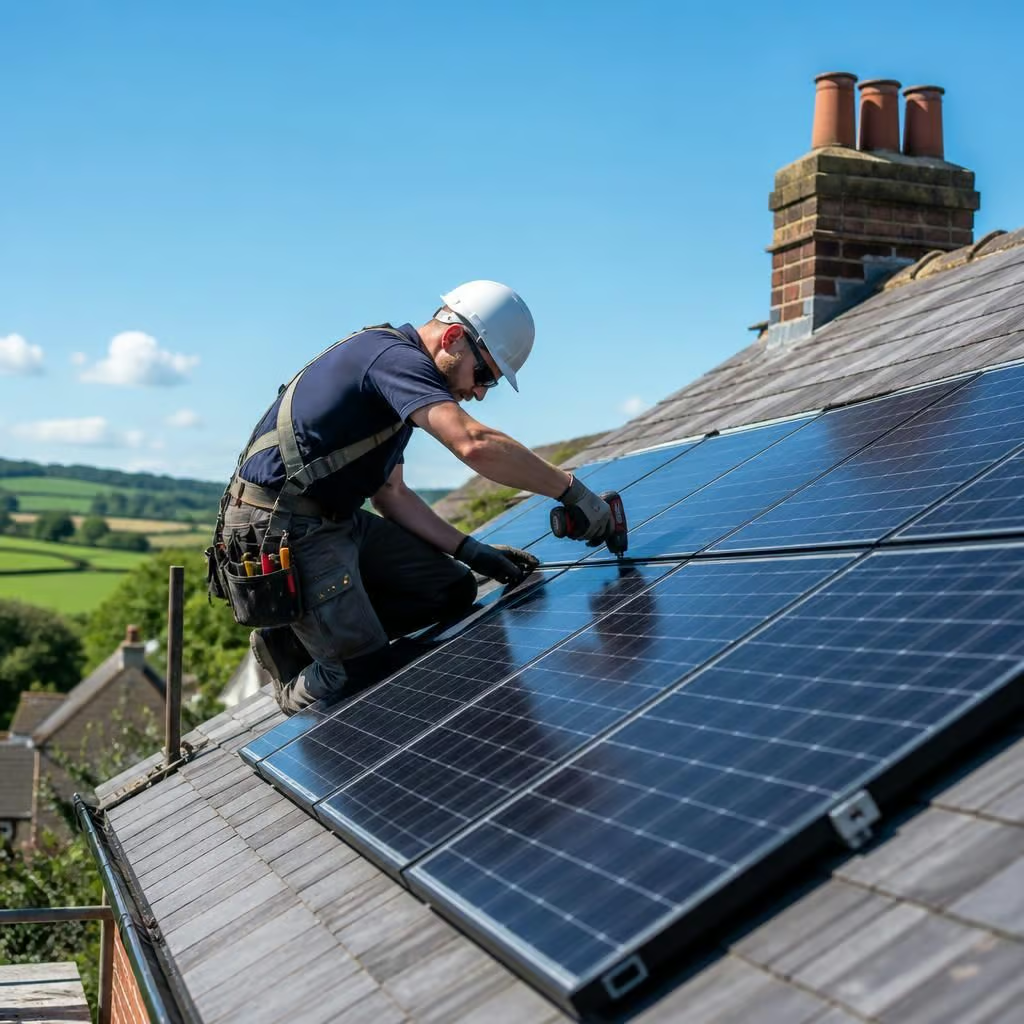
A lower price per kilowatt only helps when the quotes describe comparable systems. Check that each figure includes the same panel capacity, inverter, mounting equipment, monitoring, electrical work and commissioning. A cheaper figure may exclude work that another installer has allowed for, or use a different roof layout with lower expected output. We set out those inclusions clearly, so you can compare the installed cost with what the system is designed to produce.