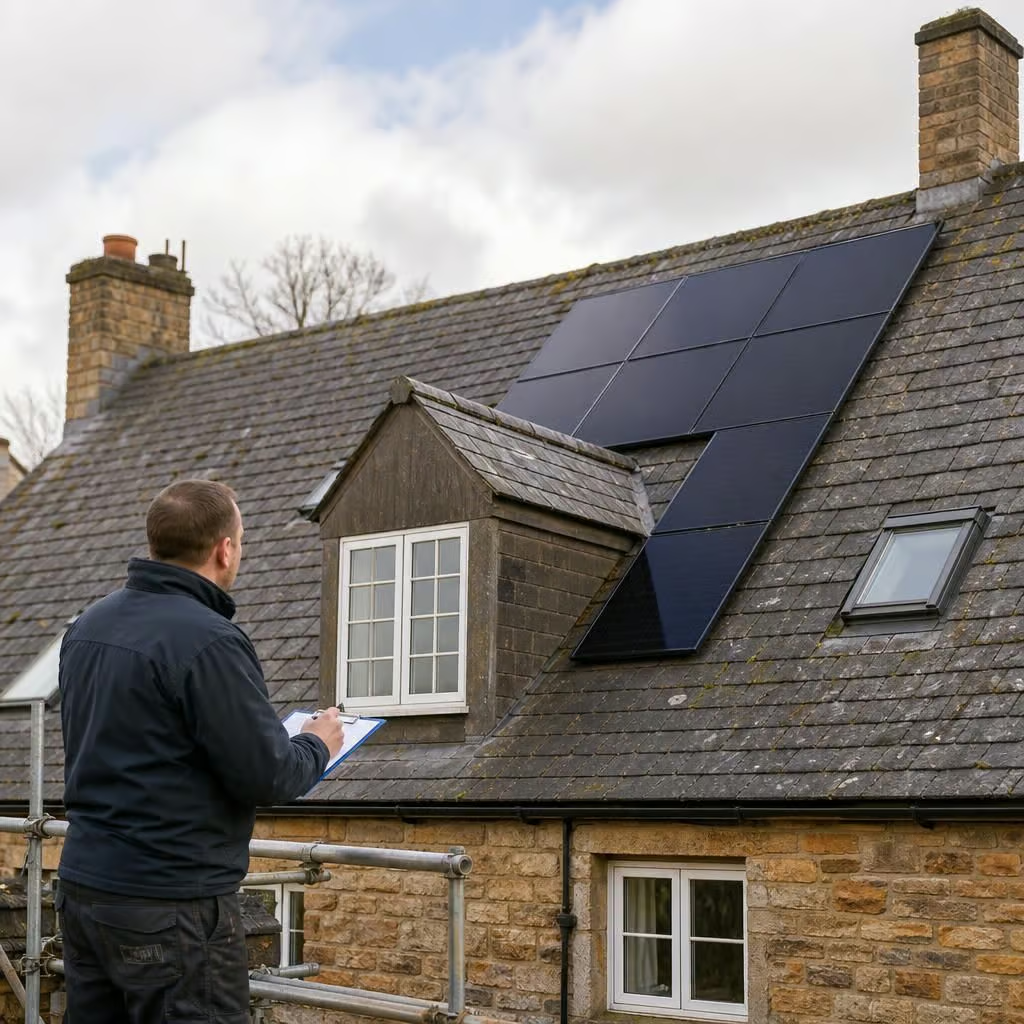
How do you assess whether a solar system will suit an older home?
An older home can suit solar panels, but the answer depends on the roof’s condition and orientation, shading, electrics and planning position. We assess those factors and discuss battery storage before recommending a system that fits the property.
An older home can be suitable for solar panels, but the right system depends on more than whether panels will fit. We look at the building’s construction, remaining roof life, electrical arrangements, permissions, energy use and the practical route for connecting the equipment. The result may be a full system, a smaller installation, panels with battery storage, or a recommendation to delay the work until another part of the property is ready.
The age of the roof matters. Panels can remain in place for many years, so fitting them shortly before major roof repairs can mean paying to remove and refit the system. If the covering, battens, flashing or supporting structure needs attention, we explain what should happen first. On slate roofs, barn conversions and properties with unusual construction, the fixing method must protect the covering and avoid unnecessary damage.
Older buildings can also have features that need careful handling. Solid walls, exposed timbers, extensions and converted roof spaces may leave fewer straightforward routes for cables. We plan where the inverter, isolators and battery can go without blocking access or creating avoidable visual or practical problems. The equipment needs ventilation, protection from damp and enough room for future maintenance.
Listed buildings and properties in designated areas need an additional review. The panels may be acceptable in principle, but the position, visibility, fixing method and cable route can affect whether consent is needed. We flag this before work is priced as a final installation. Where the proposed arrangement is unlikely to suit the building or its permissions, we say so rather than designing around an unrealistic assumption.
The existing electrical installation is another important part of the decision. An older consumer unit, earthing arrangement or cable route may need improvement before generation equipment can be connected safely. That does not automatically make the home unsuitable. It means the electrical work needs to be included in the design, quotation and sequence of work instead of appearing as an unexpected extra later.
Your electricity use also affects the useful size of the system. A home with high daytime demand may use more of its generation directly. If most electricity is used in the evening, a battery may help store some of the available energy for later use. We compare the proposed system with the way the property is occupied, including major loads such as immersion heaters, electric heating, appliances and an EV charger where relevant.
A battery is not automatically the best addition to an older property. It needs a suitable location, compatible equipment and a clear reason for including it. We consider how much generation the property can use, how export would work and whether the extra installation cost makes sense for the household’s pattern of use. The figures belong to the individual property, so we explain the assumptions rather than quoting a general payback period.
Solar panels can still be useful when a home is heated by oil or LPG, because the system generates electricity rather than replacing the heating system directly. We separate those decisions. If the household is also considering an air source heat pump or other electrical upgrades, we can take the likely future demand into account before settling the solar design.
Our assessment normally brings together:
- the age and construction of the roof, including whether repairs should come first;
- the safest fixing and cable routes for the building;
- the location and ventilation requirements for the inverter and any battery;
- the condition of the existing electrical installation and any remedial work;
- the effect of listed-building or other planning constraints;
- the household’s electricity use now and after planned changes; and
- the likely balance between using generation at home, storing it and exporting it.
Our MCS certification means we can make a Boiler Upgrade Scheme application where a qualifying heat pump is part of a wider project, and it makes the solar installation eligible for the Smart Export Guarantee. We explain how the relevant application and export arrangements apply to the proposed system rather than treating them as automatic savings.
At the end of the assessment, you should know what can be installed, what needs changing first and what the work will involve inside and outside the home. We provide a written quotation before work starts, including associated electrical or building work, so the decision is based on the complete installation rather than the panel price alone.
A large roof does not always provide a large usable area for solar. Dormers, chimneys, valleys and roof windows can divide the space or cast shade across nearby panels.
We assess each roof section rather than treating the whole roof as one surface. This helps us identify which panels will contribute useful generation and which would add cost without enough benefit. The proposed layout can then reflect the home’s actual roof, instead of filling every available space.