
What can change the cost after a solar panel survey?
The cost can change if the survey finds difficult roof access, damaged coverings, limited roof space, an older electrical system or extra equipment needed for the planned system size. The property’s location and the complexity of getting panels, cabling and the inverter into place can also affect the final written quotation.
The final solar panel price usually changes because the survey replaces assumptions with details about the roof, wiring, permissions and how the system will operate. Some findings affect the installation cost directly. Others change the design without necessarily increasing the price.
Roof construction can change the fixing method. A tiled roof, natural slate roof, sheet roof and flat roof all need different rails, brackets and weatherproofing details. Older properties can have uneven roof lines or unusual coverings that need more careful fixing than a standard modern roof. We include the correct mounting method in the revised quotation rather than pricing a generic roof system.
The roof structure may need further assessment. Solar panels add weight to the roof. If the survey identifies unusual trusses, alterations from a loft conversion or signs that the structure needs checking, we may need additional structural advice before installation. That work is separate from fitting the panels and will be explained if it becomes necessary.
Shade can alter the design. Trees, chimneys, dormers and nearby buildings can reduce the output from part of the roof. The survey helps us decide whether a different panel arrangement or panel-level control is appropriate. This may change the equipment schedule and the expected generation, even when the number of panels stays similar.
The electricity connection can affect the quotation. The survey checks the existing consumer unit, meter position, earthing and the proposed connection. A larger generation system or battery may need information to be submitted to the network operator before it can be connected. If the network operator sets an export limit or requires a particular control arrangement, the design and price may change.
Planning requirements matter on some properties. Most installations do not need a full planning application, but listed buildings, conservation areas and certain unusual roof arrangements need more care. A listed or historic property may require additional drawings, consultation or a different panel position. We identify this before work is booked, rather than treating planning as an afterthought.
Your choices after the survey can add to the price. You may decide to include battery storage, a different monitoring arrangement, bird protection or preparation for a future EV charger. These are not hidden survey costs. They are separate choices, so we show them as clear options and explain what each one changes.
A battery needs more than a space on the wall. Its position, fire separation, cable route, ventilation and relationship with the inverter all matter. If the survey finds that the preferred location is unsuitable, we may need to propose another position or a different arrangement. The cost can therefore change even when the panel layout remains the same.
Older homes often need a more careful design. Solid-wall houses, barn conversions and listed buildings may have unusual roof construction, long internal routes or more than one consumer unit. These features do not automatically make solar unsuitable. They mean we need to price the work around the building rather than assume that a standard installation will fit.
The survey can also remove costs from an early estimate. An initial discussion may allow for possible remedial work or additional equipment. If the survey shows that the existing arrangement is suitable, we remove that allowance from the quotation. The final figure should reflect what the property actually needs, not every possibility considered at the start.
We separate the quotation into the panels, inverter, mounting system, electrical work, optional battery storage and any property-specific work. That makes it easier to see which item changed and why. You can then compare quotations on the same basis instead of comparing one complete figure with another that leaves important work out.
For renewable installations, our MCS certification means we can make a Boiler Upgrade Scheme application where the property and work meet the scheme rules, and the installation can qualify for the Smart Export Guarantee. We check the current requirements for the proposed system rather than treating a grant or export payment as automatic. Any allowance is shown separately from the installation price.
Before work starts, we provide a written quotation and explain any change identified by the survey. If you alter the specification afterwards, we show the effect before proceeding. This gives you a clear decision about the final system, its cost and any work needed to connect it safely.
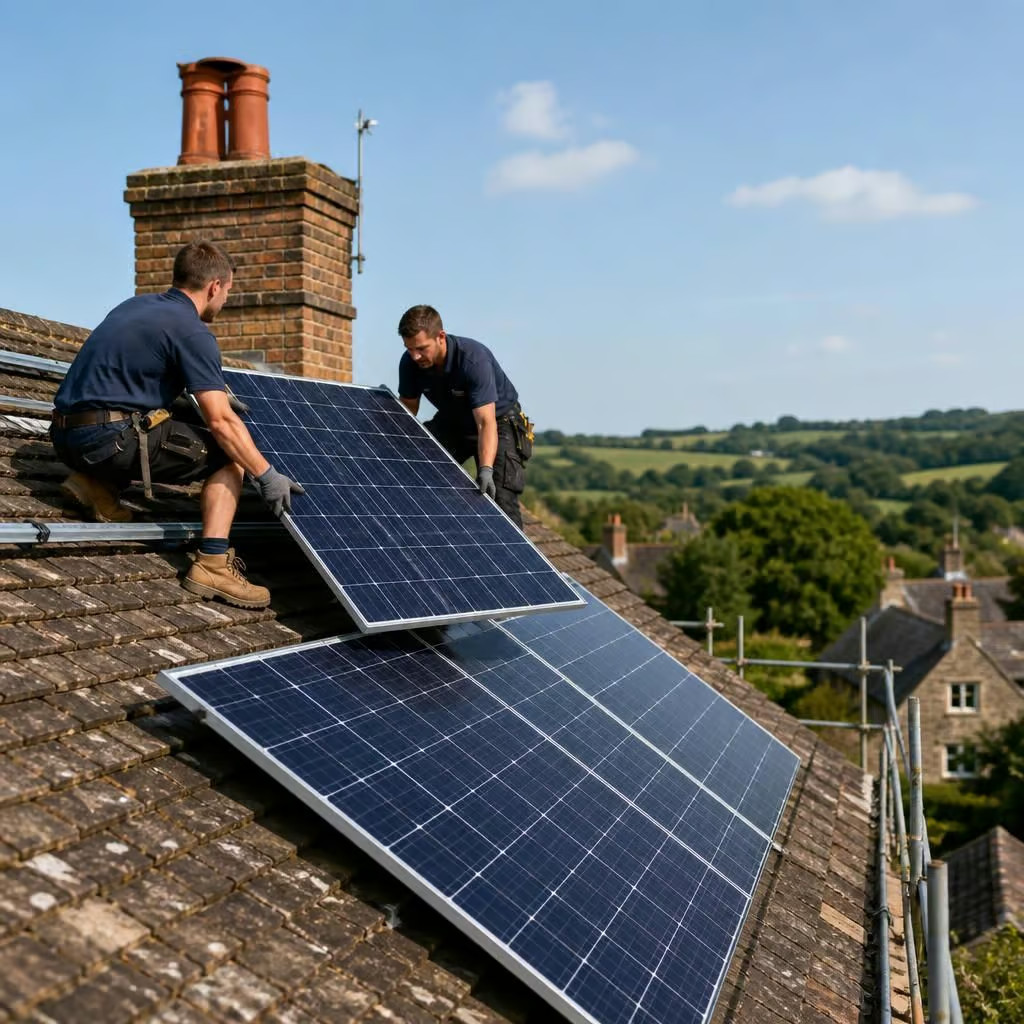
If the survey finds damaged tiles, slate or roof fixings, fitting panels immediately may not be sensible. Removing the array later for roof repairs can add avoidable cost. We’ll explain which repairs need completing first and keep them separate from the solar quotation.
This gives you a clearer choice: repair the roof before installation, change the panel position, or pause the project. The revised price reflects the condition found on the day, rather than allowing for work that may not be needed.