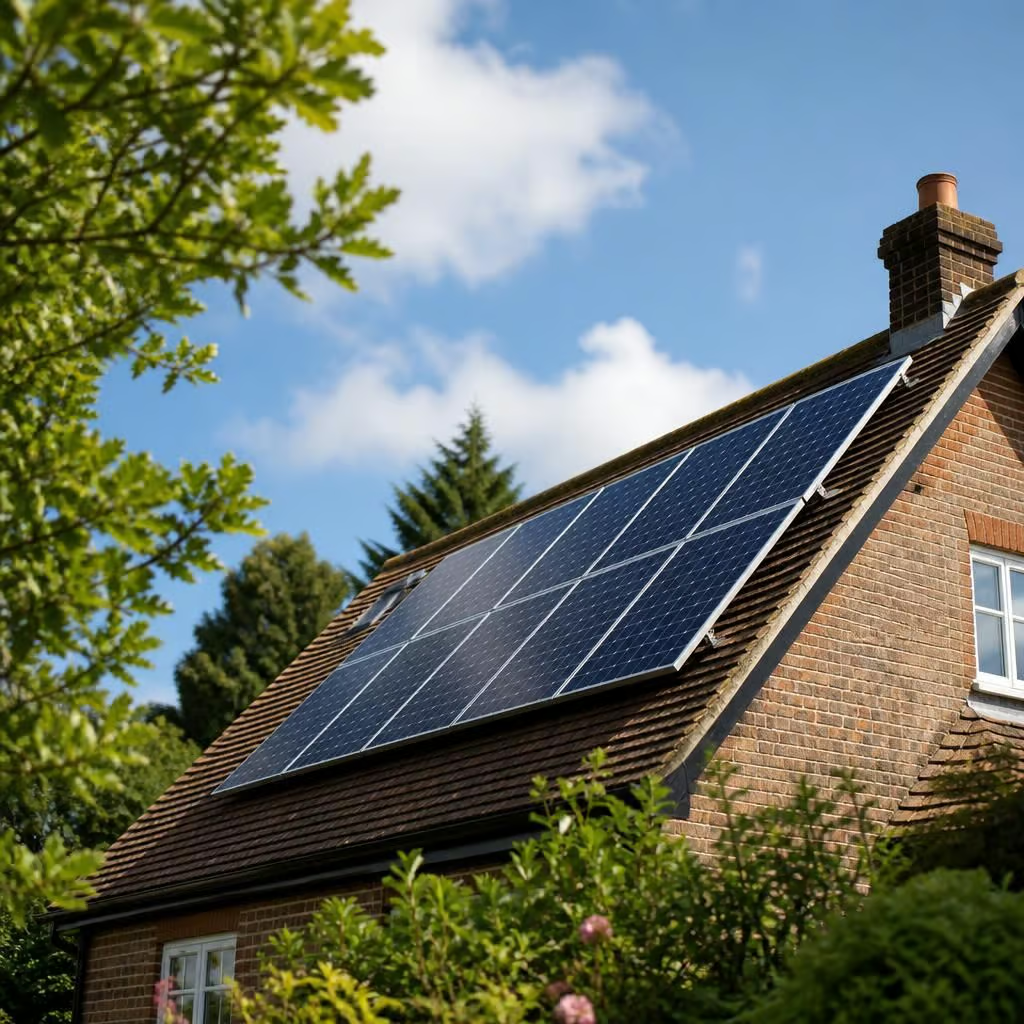
Will my roof support the planned solar panel system?
Most sound roofs can support solar panels, but the roof’s age, condition, structure, pitch and fixing points all matter. We check these during the solar survey and identify any repairs or structural work needed before installation.
A roof can support solar panels when its supporting timbers, covering and fixings are in suitable condition. The panels are not attached to the tiles or slates alone. Rails transfer the load through the roof covering into the rafters or other structural members, so the condition and layout beneath the covering matter most.
The roof structure is the first consideration. During the survey, we look at the roof shape, rafter arrangement, trusses, visible timbers and any signs of movement or overloading. Cracked or distorted members, sagging roof lines, weakened fixings and previous alterations can all affect the installation. An older roof may still be suitable, but its age alone does not confirm that it can carry a system safely.
Access to the loft can make this assessment more reliable. From inside, we can see whether the proposed panel area lines up with usable rafters and whether cables can pass through without damaging the structure. We also look for damp, rot, insect damage and poorly supported alterations. If the survey raises a structural concern that cannot be confirmed visually, we can recommend a structural engineer’s assessment before the work is agreed.
The roof covering affects the fixing method. Tile, slate, sheet and membrane roofs each need different components and installation methods. A fixing must sit securely against the roof structure without cracking the covering or creating a route for water. Delicate, uneven or unusual coverings may need extra care, specialist materials or a different panel layout.
Older properties often have handmade tiles, natural slate, thick roof build-ups or irregular rafters. Barn conversions may include retained timbers that were not arranged like a modern roof. These details do not automatically rule out solar, but they do make a proper inspection more important than relying on standard assumptions. We allow for the actual roof rather than treating every pitched roof as the same.
The roof’s remaining serviceable life also matters. If the covering is already failing, installing panels first can create unnecessary cost later. Removing and refitting a solar array adds work and may disturb the roof covering. Where repairs or renewal are likely, we explain this before the quotation so the decision can account for the full sequence of work.
Common issues include slipped or broken tiles, failing mortar, worn flashing, leaking valleys and previous patch repairs. We record these during the survey where they affect the proposed array. We do not use the solar installation to hide a roofing problem. Necessary roof repairs should be completed by the appropriate roofing contractor before the panels are fitted.
Pitch and roof shape affect how the system sits. A regular pitched roof usually gives the rails a straightforward fixing route. Hips, valleys, dormers, roof windows, chimneys and intersecting roof sections reduce the usable area and can make the fixing design more involved. The available space may therefore be smaller than the roof area suggests.
Flat roofs need a different approach. The design may use an angled frame, with the additional weight and wind forces considered alongside the roof’s construction. We also need to avoid damaging the waterproofing layer. A flat roof can be suitable, but the survey must establish how the frame will be supported and how the membrane will remain protected.
Wind loading is part of the assessment. Panels sit above the roof and their fixings must resist movement from wind. The design accounts for the roof position, panel arrangement, edge distances and the way the rails connect with the structure. Panels should not be placed too close to roof edges or over weak areas simply to use every available section.
Roof orientation and shading do not usually decide whether the roof can physically carry the system, but they affect whether the available area is worth using. Chimneys, trees, neighbouring buildings and roof sections facing different directions can change the layout. We assess these factors with the roof condition so the proposed system suits both the structure and the electricity the property is likely to produce.
Planning and building details may matter on older properties. A listed building, conservation area or property with unusual historic fabric may have restrictions on panel placement or fixing methods. Roof-mounted equipment can also need careful consideration where it would affect the appearance of a prominent elevation. We identify issues that may need to be resolved before installation rather than assuming a standard arrangement will be acceptable.
The survey normally combines external inspection with measurements and, where appropriate, a loft inspection. We consider the panel position, fixing points, cable route and the location of the remaining solar equipment. The result is a clear view of whether the proposed roof area is usable, whether part of it should be avoided and whether preparatory work is needed.
If the roof is suitable, the quotation can be based on a realistic panel layout rather than an estimate from aerial images. If the roof needs work, we set out what needs attention before installation. If the structure cannot reasonably support the planned arrangement, we explain the limitation and consider whether a smaller array or another roof section would be more appropriate.
The safest point to check roof suitability is before ordering the system or committing to an installation date. A solar survey gives you the information needed to decide whether to repair the roof first, change the panel layout or proceed with the planned system.
The roof may look sound from the ground, but hidden changes can affect where panels can be fixed. Tell us about previous loft conversions, roof repairs, insulation work or signs of leaking before the survey.
Clear access to the loft helps us trace the rafters and inspect the proposed fixing areas properly. That gives you a more reliable answer than an assessment based only on external photographs.