
What is the best way to clean solar panels?
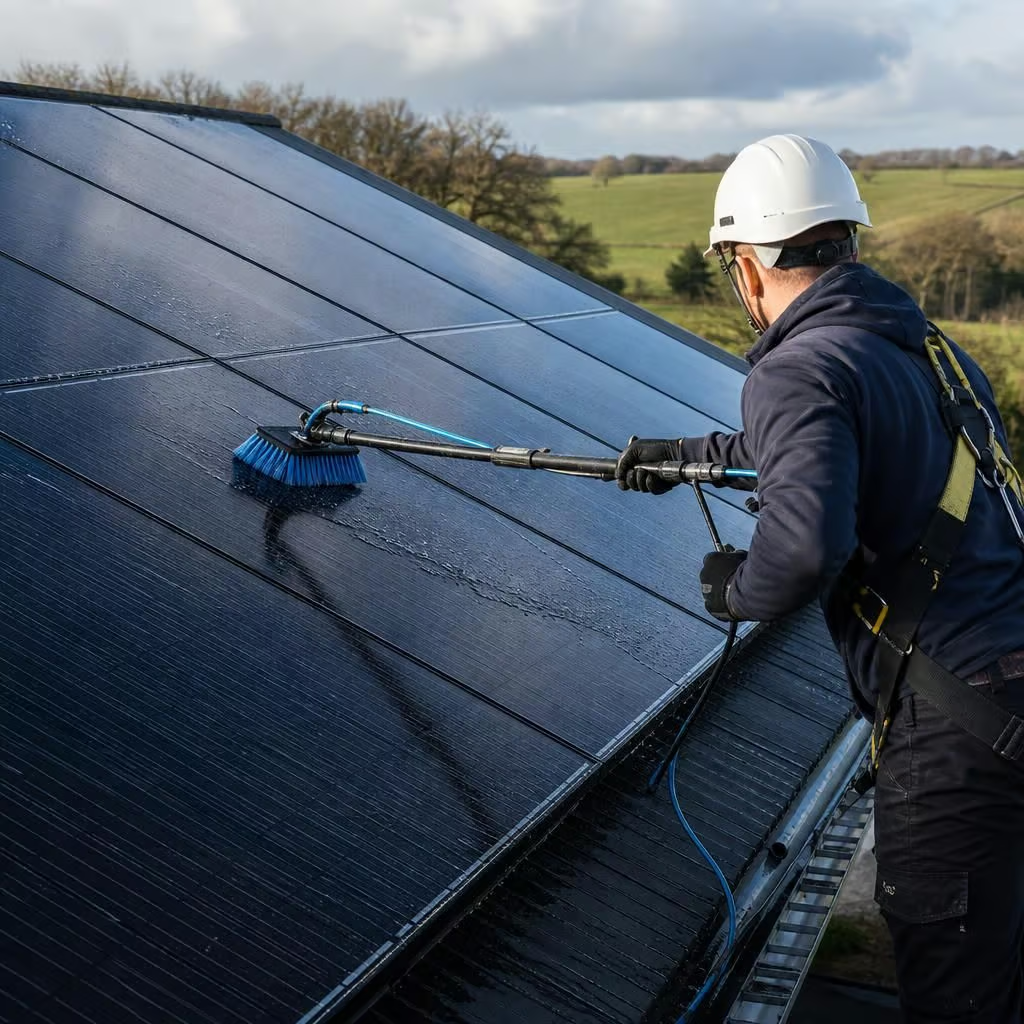
The safest method is to use clean water and a soft, non-abrasive brush on a cool day, avoiding pressure washers, harsh chemicals and abrasive tools. If the panels are difficult or unsafe to reach, have a professional clean them using equipment designed for solar installations.
For most domestic solar PV systems, cleaning should be gentle, controlled and limited to removing contamination that rain cannot shift. The panels do not need polishing, abrasive treatment or aggressive equipment.
Start by checking whether cleaning is needed. A light film of dust may have little practical effect, particularly on a pitched roof where rain regularly washes the surface. Heavy bird droppings, pollen, tree sap, mud and lichen are different. They can leave shaded patches on the cells and may justify cleaning, especially where the panels sit beneath trees or near agricultural buildings.
Your generation figures can help show whether dirt may be affecting the system. Compare similar weather and daylight conditions rather than judging one cloudy day against a sunny one. If output remains lower than expected after the weather is taken into account, the cause could be shading, an inverter issue or a fault rather than dirty glass.
A careful clean usually follows this process:
- We inspect the panels and the access route before starting.
- We remove loose grit and debris without dragging hard particles across the glass.
- We loosen stubborn contamination with clean water and light pressure from a suitable soft brush.
- We rinse away the loosened dirt rather than allowing it to dry back onto the surface.
- We check the finished surface for remaining marks, cracked glass or visible damage.
Water quality matters. Hard water can leave calcium marks when it dries, so a professional may use filtered or deionised water where ordinary tap water would leave a deposit. That avoids the need to rub the panels after cleaning. A soft telescopic brush can also reduce the need for direct contact with the roof.
Choose a cool part of the day. Hot glass can dry water too quickly and make streaks more likely. It is also sensible to avoid cleaning during freezing conditions, strong wind or heavy rain. The surface should be wet enough to carry dirt away, but not so wet that access becomes hazardous.
Some products and tools are unsuitable. Household detergents can leave a film that attracts dirt, while solvents and abrasive pads can damage the panel surface or its seals. Scrapers, stiff brushes and pressure washers can scratch the glass or force water towards electrical connections. Do not spray the inverter, isolators, cable connections or other electrical equipment.
Bird droppings need particular care because dried material can be hard and abrasive. Soak it first instead of scraping it away. Tree sap and lichen may need several gentle passes. If contamination will not lift with water and a soft brush, stop rather than increasing the pressure.
Access is the main safety issue. A roof that looks easy to reach from the ground may have fragile tiles, a steep pitch, hidden rooflights or a long fall from the edge. Cleaning from a ladder also becomes unsafe when the work requires leaning sideways or handling a long pole. We assess the access and use suitable equipment or an access platform where the roof cannot be reached safely.
Cleaning does not normally require anyone to dismantle the panels. The wiring, mounting system and roof coverings should remain undisturbed. If we find cracked glass, loose mounting components, damaged cables or water around electrical equipment, we report that separately rather than trying to hide it with a clean.
Ground-mounted panels are usually easier to reach, but the same care still applies. Mud splashed from bare ground, grass cuttings and animal activity can collect around the lower edges. Keep the area below the array clear enough for inspection, and do not lean tools against the panels.
Professional cleaning is most useful when access is difficult, the panels have persistent deposits, or you want the system checked at the same time. We can clean the array using equipment suited to its position and point out visible issues that may need an electrician or solar installer. A clean panel is not a repair, so unexplained low generation should be investigated rather than treated as a cleaning problem.
Your solar panels still generate electricity in daylight, even when the inverter is switched off. That means cleaning is not the same as washing an ordinary window.
Keep water away from cable connections, isolators and the inverter. If dirt has collected around wiring, or cleaning would bring you close to electrical components, stop and ask a qualified solar installer to assess it. We can identify visible electrical damage while cleaning and explain whether it needs separate attention.