Are solar panel maintenance costs higher for older systems?
Older solar systems can cost more to maintain because components may be harder to replace and faults can affect performance. However, costs depend more on the system’s condition, installation quality and access than its age alone.
Older solar systems do not automatically cost more to maintain, but they can need a different type of attention. A newer installation may only need performance checks and visual inspection. An older one is more likely to need fault-finding, replacement components or work to associated electrical equipment.
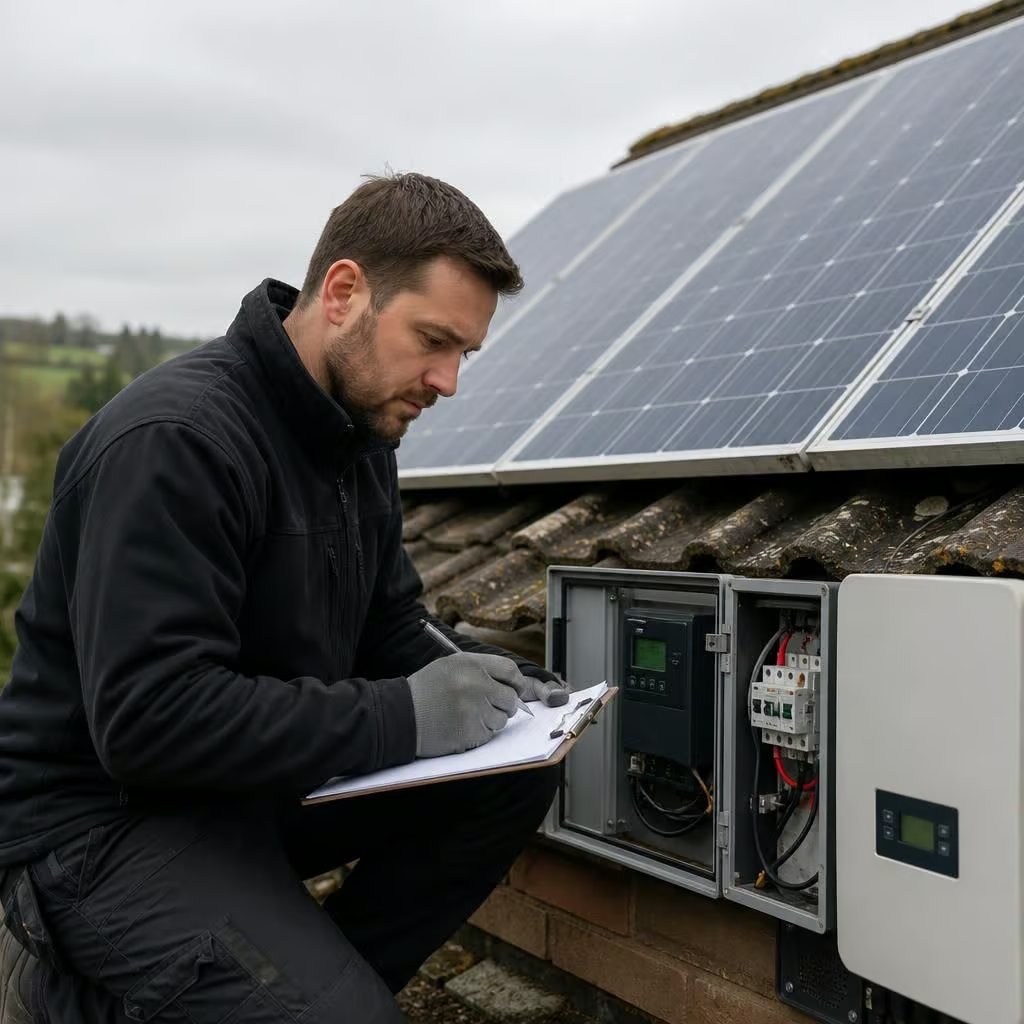
The panels themselves are often not the most expensive part to maintain. We look at the complete system, including the inverter, isolators, cabling, roof fixings, monitoring equipment and consumer unit. A fault in any of these can reduce generation even when the panels appear clean and undamaged.
- Inverter condition: Older inverters may show warning lights, lose connection to monitoring software or stop converting the panel output into usable electricity. If the original model is no longer supported, we may need to identify a compatible replacement rather than replace a small internal part.
- Electrical connections: We check isolators, cable routes, terminals and protection devices for signs of heat damage, moisture or deterioration. An electrical fault can affect safety as well as generation.
- Roof and mounting equipment: We inspect accessible fixings, cable clips and weatherproofing. Movement, corrosion or damage around a roof penetration can require careful remedial work.
- Monitoring: Older systems may rely on a discontinued monitoring platform or a connection that no longer works. We can compare the meter readings with the inverter data and explain what the system is actually producing.
- Access: A roof-mounted system can take longer to inspect than equipment at ground level. Safe access, roof pitch, fragile coverings and the position of the panels all affect the work involved.
Cleaning is not automatically part of every maintenance visit. Rain usually removes loose dust, while heavy soiling, bird mess, nearby trees or agricultural activity can reduce output. We assess the panels first rather than recommending cleaning simply because the system is old. Cleaning also needs to be carried out without damaging the modules, roof coverings or electrical connections.
Age can also make diagnosis more involved. A drop in generation may come from one faulty panel, shading, a damaged connector, the inverter or a problem elsewhere in the electrical installation. We test the system in stages so the repair targets the cause rather than replacing working equipment.
Some older installations have limited records, especially if the property has changed hands or the original installer is no longer involved. In that case, we establish how the system is wired, identify the equipment in place and check whether the existing protection and isolation arrangements remain suitable. This investigation can add to the cost of the first visit, but it gives a clearer basis for any repair or upgrade.
Parts availability is another consideration. A panel or inverter may no longer be manufactured, and an apparently simple replacement may need to match the system’s voltage, connectors, monitoring arrangements and electrical protection. We explain when a like-for-like repair is practical and when replacing part of the system would be more sensible. We do not treat an old system as a reason to replace everything without checking its condition.
Maintenance costs are usually easier to control when a small fault is dealt with before it affects other equipment. Error messages, unusual inverter noises, damaged cable insulation, water ingress or a noticeable fall in generation should not be ignored. Keep any system warnings, generation records and previous paperwork available, as they can shorten the investigation.
We can inspect the solar installation alongside the relevant electrical equipment and separate routine remedial work from larger upgrade work. You receive a written quotation before work starts, so the decision is based on the condition found rather than an assumed allowance for an ageing system. If the existing equipment is still serviceable, we say so; if a repair is unlikely to be worthwhile, we explain the reason and the alternatives.
An older system may therefore cost more at one visit but less overall if the problem is accurately identified and only necessary work is carried out. The useful comparison is not simply the system’s installation date. It is the condition of the equipment, the evidence of reduced performance, the access required and whether suitable replacement parts remain available.
Age alone doesn’t create a regular maintenance charge. Solar panels have no moving parts, so a well-performing system may not need routine work simply because it has been installed for several years.
The cost becomes more predictable when maintenance is condition-led. If generation remains consistent and the equipment shows no warning signs, an inspection can confirm that no repair is needed. If performance has declined, we investigate the cause before recommending work, so an older installation is not given an unnecessary replacement programme.
This approach helps separate the cost of checking the system from the cost of correcting an ageing component. You can then decide whether to maintain the existing installation, repair one part or plan an upgrade around the condition of the equipment.