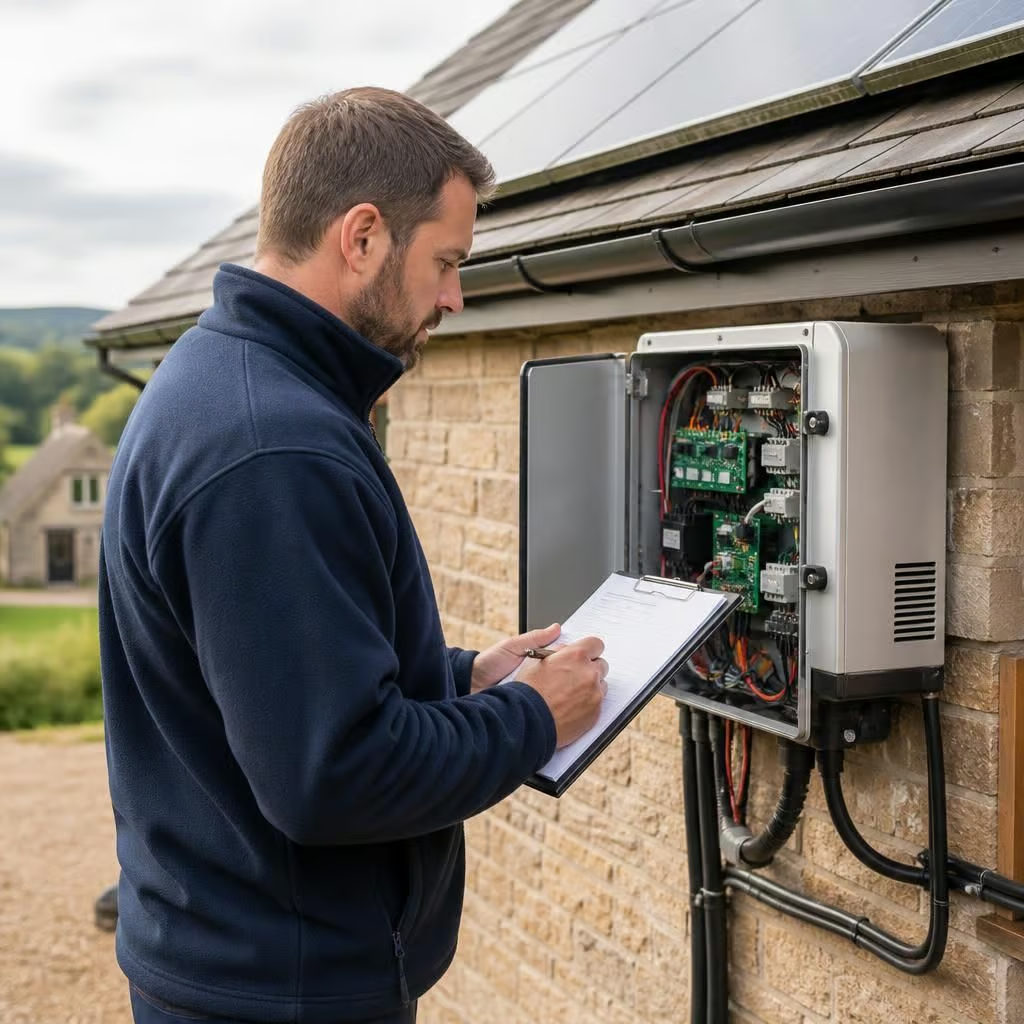
Do solar panel warranties cover maintenance costs?
Usually, no. Solar panel warranties generally cover manufacturing defects or faults, not routine maintenance, cleaning, inspections or repairs caused by wear, weather, poor installation or external damage.
The key distinction is between a warranty claim and the ordinary cost of keeping a system in good working order. A warranty may pay for a failed component when the failure falls within its terms. It usually does not pay for visits needed to inspect, clean, test or maintain a working system.
Solar installations often have several warranties rather than one cover that applies to everything:
- Panel warranty: this normally relates to manufacturing defects and, in some cases, the panel’s stated performance. It does not usually cover access equipment, testing or labour for routine care.
- Inverter, battery and other equipment warranties: these apply to the individual product and follow the manufacturer’s conditions. A fault may qualify, but the warranty period and claim process can differ between components.
- Installation or workmanship warranty: this concerns faults caused by the installation itself, such as an incorrectly terminated cable or a fitting problem. It is separate from a product warranty.
If an inverter stops working because of an internal component failure, the manufacturer may authorise a repair or replacement. The written terms decide whether they also cover diagnosis, engineer attendance, removal, delivery and fitting. Some warranties cover the replacement part but leave associated labour or access costs with the system owner.
A different situation arises when the equipment is working but the system needs attention. Dirt, shading from new vegetation, loose connections, damaged cabling, corrosion, pest damage and roof problems are not normally treated as manufacturing defects. Neither is a request to check performance simply because generation appears lower than expected. Those costs generally sit outside the warranty.
Your paperwork should identify which party deals with each problem. If the fault concerns a component, we can inspect the system and help establish whether it appears to be a warranty issue. If the manufacturer accepts the claim, its terms determine the next step. If the cause is installation-related, the installer’s workmanship terms may apply instead.
Warranty conditions can also require you to keep records. The documents worth keeping include:
- the original quotation and invoice;
- the panel, inverter and battery model and serial numbers;
- the commissioning record and electrical test results;
- any monitoring screenshots showing the change in output;
- reports, photographs and invoices from previous visits; and
- evidence that any required servicing or inspection was carried out.
Terms may exclude damage caused by unauthorised alterations, incorrect use, external events or failure to follow maintenance instructions. A warranty can also become difficult to claim if equipment has been modified or removed without the required approval. Before arranging work, check whether the manufacturer requires an approved technician or a particular reporting route.
For an older installation, identifying the cause matters more than assuming that every cost is covered. A monitoring fault may be separate from a generation fault. A tripped protective device may point to an electrical issue rather than a failed panel. We test the relevant parts, explain what has been found and separate warranty work from chargeable maintenance before recommending further work.
A maintenance agreement is not the same as a warranty. It may include agreed inspections or priority for certain types of work, but its price and exclusions come from that separate agreement. If you are comparing cover, check whether it includes labour, travel, access equipment, fault diagnosis and replacement parts, rather than relying on the word “maintenance” alone.
The practical approach is to check the warranty terms before booking routine work, then ask for any proposed charge to be separated into diagnosis, labour, parts and access. That gives you a clearer view of what the warranty may contribute and what maintaining the system will cost you.
If you move home or buy a property with solar panels, check whether the warranties transfer to the new owner. Some manufacturers require a registration update, proof of purchase or commissioning details before accepting a claim. Keep those records with the property documents, so a future fault does not become harder to investigate.
We can identify the installed equipment, record its condition and explain which paperwork is still available. That gives you a clearer starting point before paying for maintenance or asking a manufacturer to assess a fault.