How long does a solar panel performance check take?
A solar panel performance check can be quick when monitoring data is available, but an on-site inspection takes longer if we need to test the inverter, cabling or panels. We’ll explain what the check involves and how long the specific visit should take before work starts.
There is no fixed duration for a solar panel performance check. The time depends on the evidence available, the condition of the system and whether we need to investigate a specific fault.
For a basic check, we work through the system in a set order:
- We discuss when the output changed and what you have noticed on the inverter or monitoring app.
- We compare recent generation readings with the system’s expected behaviour for the weather and season.
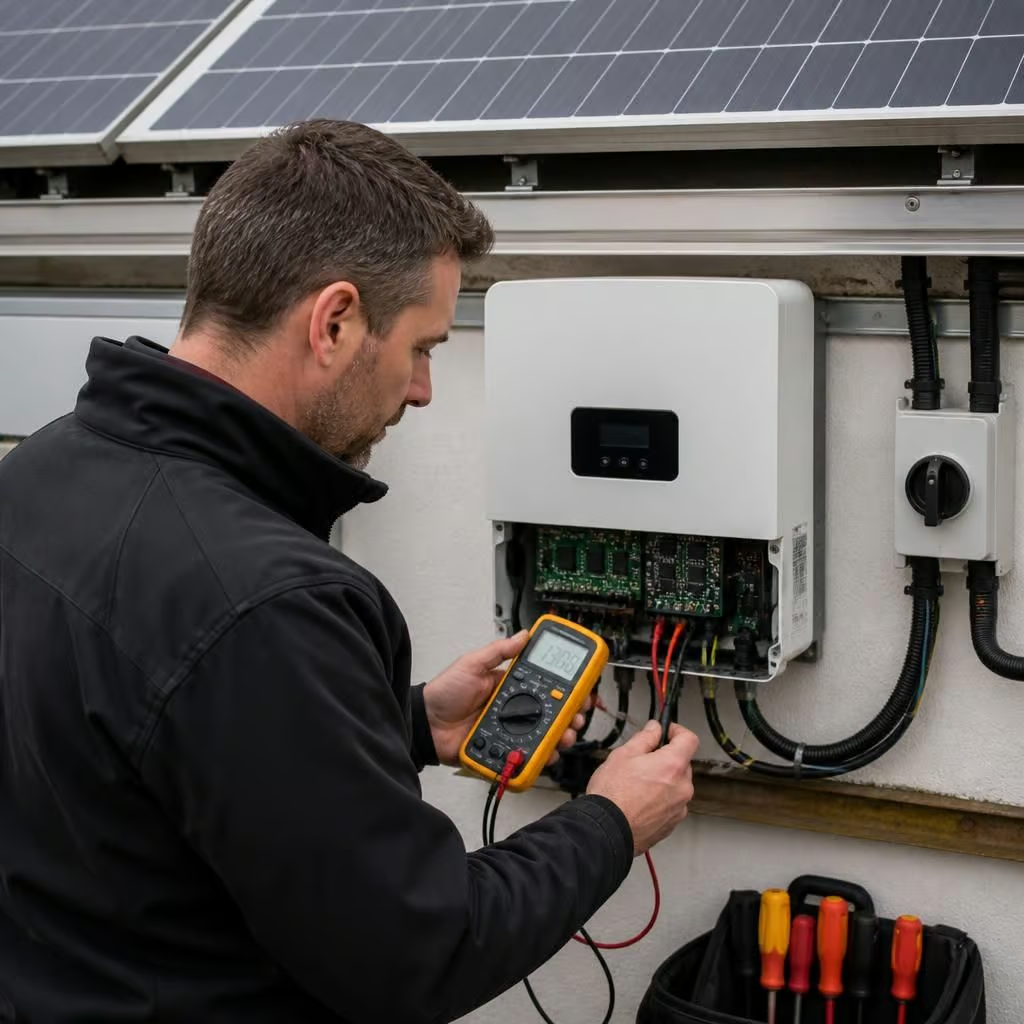
- We inspect the inverter, isolators, cabling and visible equipment for warning lights, damage or signs of overheating.
- We take electrical readings to check whether the panels, wiring and inverter are operating correctly.
- We look for obvious causes of reduced generation, such as shading, dirt, damaged connections or monitoring problems.
If the readings are consistent and the equipment is accessible, the check can usually be completed without further investigation. We explain what we have found before leaving, including anything that needs repair or closer examination.
Historic performance data can add to the appointment. If output has fallen gradually, we may need to review inverter records, monitoring reports, generation meters or previous bills. This helps separate a seasonal change from a developing equipment fault. A system that stopped producing suddenly may need a more focused electrical diagnosis.
Roof access is only needed when the evidence points towards the panels or roof-mounted connections. We can often identify an inverter, cabling or monitoring issue from ground-level and electrical checks. If we need to inspect panels, cable routes or connectors on the roof, we assess how that can be done safely and explain any additional work before proceeding.
The number of panels does not, by itself, determine the time required. A smaller system with restricted access or incomplete monitoring records may take more investigation than a larger system with clear data. Older installations can also need additional checks where equipment has been replaced or records are incomplete.
It helps if you can provide access to the inverter, consumer unit and monitoring account before the visit. Recent generation readings, electricity bills and the date you first noticed the change can also make the diagnosis more direct. Please do not remove covers or isolate equipment yourself.
After the check, you should know whether the reduced output is linked to the panels, inverter, electrical connections, monitoring system or site conditions. If the cause cannot be confirmed during the first assessment, we explain what further testing is needed rather than treating an uncertain result as a completed diagnosis.
A performance check is a diagnostic visit, not automatically a repair or panel-cleaning service. If we find a failed component, damaged connection or monitoring issue, we explain the work needed separately. That keeps the assessment focused and means you can decide what happens next rather than paying for unplanned work during the visit.