
How much does a solar panel performance check cost?
Solar panel performance check costs vary with the system size, the records available and whether physical inspection or testing is needed. We review the scope first and provide a written quotation before any work starts, so you know what the check includes and what it will cost.
The cost of a solar panel performance check is usually based on the diagnostic work needed, rather than the panel count alone. A straightforward system with accessible equipment and usable monitoring records takes less investigation than an older installation with missing data, difficult access or several possible causes of low output.
The main cost factors are:
- System size and layout: more panels, roof areas or separate electrical strings create more readings to compare.
- Access: equipment in an accessible garage or utility room is simpler to inspect than equipment in a loft, at height or behind stored items. Roof access may also affect what can be checked safely.
- Available performance data: inverter records, generation history and export readings can show when the change began. If those records are unavailable, we may need to establish the baseline during the visit.
- The fault symptoms: a complete loss of generation calls for different tests from a smaller-than-expected seasonal yield or an intermittent inverter warning.
- The age and condition of the installation: older cabling, isolators, connectors and mounting arrangements may need closer examination before we can explain the result.
A check normally starts with the information you can provide about the system. Recent bills, inverter messages, monitoring screenshots and details of any changes to the roof or surrounding trees can all help. If the panels have produced less electricity since a particular date, that timing can narrow the investigation.
At the property, we compare the system’s recorded output with its operating condition. We inspect the inverter display and accessible electrical equipment, check isolators and connections, and look for signs that a string, panel group or monitoring link is not behaving as expected. We also consider shading, dirt, damage and changes around the property that may affect generation.
Some findings can be made from ground level and the electrical equipment. Other issues may need closer inspection of the panels or roof-mounted cabling. We explain what can be established safely during the visit and identify any further access or specialist work needed before adding it to the scope.
The check is diagnostic rather than a solar panel clean or a repair. Cleaning, replacement parts, remedial electrical work, scaffolding and roof repairs are separate items if they are needed. We explain that distinction before carrying out additional work, so the cost of finding a problem is not confused with the cost of correcting it.
A useful report should do more than say that output is low. It should set out what we tested, what the available data shows, whether the panels, inverter and electrical connections appear to be operating correctly, and what we recommend next. If the evidence points to an inverter fault, shading or a monitoring problem rather than a panel defect, that should be clear in the findings.
For a system with a battery, the investigation may also need to consider how stored electricity is being prioritised. A battery that charges during the day can make the solar generation look lower when you are only looking at electricity exported to the grid. We separate generation, household use, battery charging and export where the available monitoring data allows it.
The most useful way to compare quotations is to check what each price includes. Ask whether the visit covers monitoring review, electrical testing, inverter diagnosis, accessible visual checks and written findings. Also check whether a return visit, roof access or repair work would be charged separately.
Our MCS-certified renewable energy engineers can assess the system as a whole, including the generation data and the electrical equipment that affects it. If the check identifies a repair or an upgrade, we set that out separately so you can decide what to do next.
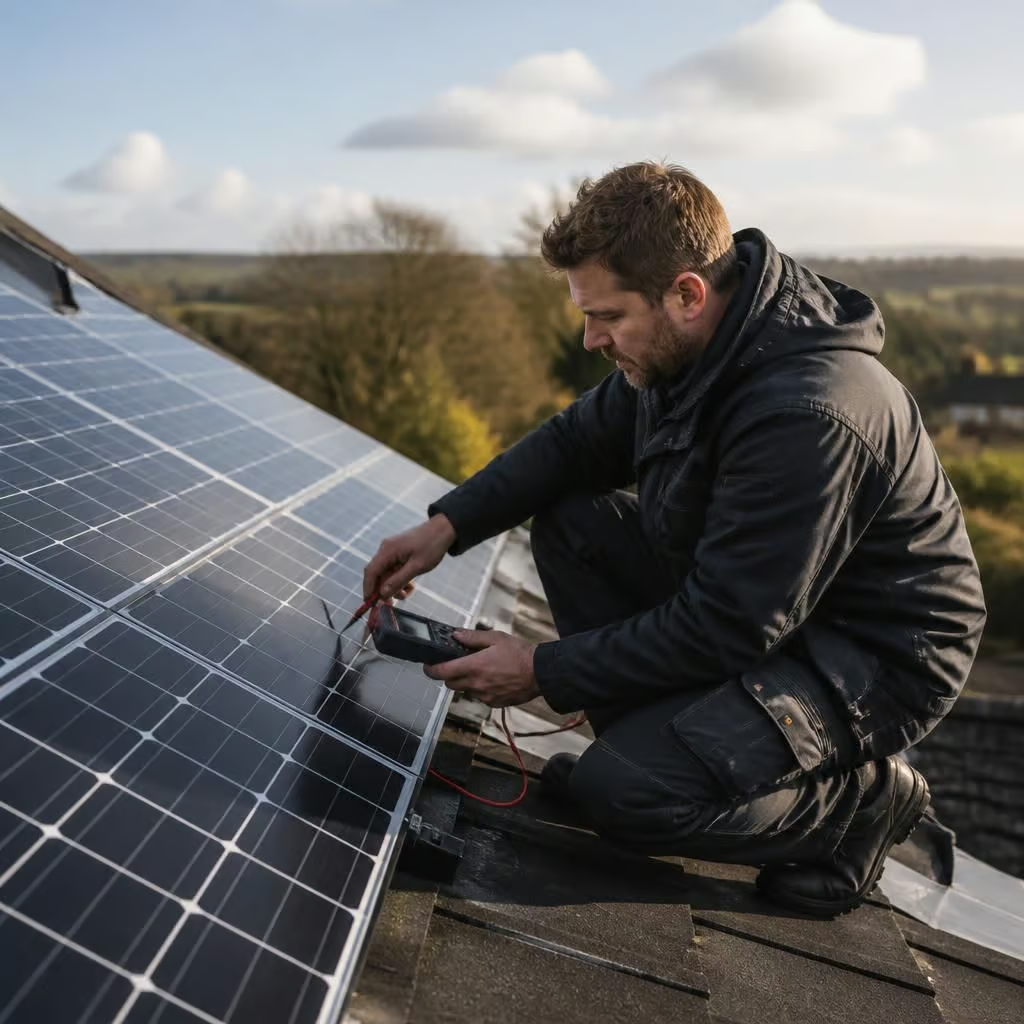
The quoted cost should make clear what happens if the roof cannot be inspected safely. We can often assess the inverter, monitoring data, isolators and accessible cabling without climbing onto the roof. If the evidence points to a panel, connector or roof-mounted cable, we explain why closer access is needed and price that work separately.
This keeps the performance check focused on diagnosis. You can decide whether further access or repair work is worthwhile once you know what the evidence shows, rather than paying for additional work before the cause is clear.