
Can my solar panels be repaired instead of replaced?
Often, yes. We can repair faults in cabling, connectors, the inverter or mounting system, but a damaged solar panel itself will usually need replacing rather than repairing.
Repair is usually the right first step when the fault is isolated and the panels themselves remain structurally sound. We test the system rather than assuming that low generation means the panels need replacing. That can avoid unnecessary disruption and preserve equipment that is still working properly.
We begin by separating a panel fault from a system fault. A solar array can stop producing because of an inverter fault, a failed isolator, damaged cabling, a poor connection, monitoring equipment or a problem with the incoming electrical supply. Shading, dirt and changes in the roof environment can also reduce output without any damaged panel.
We compare the system’s reported output with what the panels should produce in the prevailing conditions. We then inspect the accessible equipment and test the DC and AC sides of the installation. This shows whether the problem affects one panel, one string of panels or the whole system.
Common repairs include:
- Replacing damaged or loose connectors.
- Repairing or replacing sections of solar cabling.
- Correcting faults at DC or AC isolators.
- Replacing an inverter that has failed while the panels remain serviceable.
- Repairing monitoring or communications faults where the system is still generating.
- Replacing damaged mounting components or correcting movement in the array.
- Addressing damage caused by birds, rodents, weather or other work around the roof.
A single failed panel does not always mean that the whole array needs replacing. We can assess whether an individual panel can be changed and whether a suitable replacement will work correctly with the existing panels and inverter. Older systems can contain panels or connectors that are no longer readily available, so compatibility matters as much as physical fit.
Some panel damage makes replacement the safer choice. Cracks through the glass or cells can allow moisture into the panel and create an electrical safety risk. Delamination, hot spots, severe discolouration and visible burning also point towards replacement rather than a temporary repair. These faults may worsen even if the array is still producing some electricity.
We also look for damage that is not obvious from ground level. Water ingress beneath the panel, a distorted frame or damage to the back sheet can affect insulation and reliability. A panel that produces power today may still fail an electrical test or deteriorate further after exposure to rain and frost.
Replacement is not automatically a whole-roof job. If most of the array is healthy, replacing the affected panel, inverter or mounting component may be practical. If the system has several unrelated faults, has degraded significantly or uses obsolete equipment, a larger upgrade may provide a more reliable result. We explain the options so you can compare the cost and disruption of repair with the expected remaining life of the existing system.
The age of the installation also affects the decision. A newer array with one failed component may be straightforward to repair. An older array may have ageing connectors, brittle cable insulation, an inefficient inverter or mounting parts that are no longer supported. In that situation, repairing one fault can leave other likely failures untouched. We include those risks in our recommendation rather than treating the cheapest immediate repair as the whole answer.
The cost depends on what has failed and how accessible the equipment is. A loose connection and a failed inverter involve different parts, testing and labour. A panel replacement may also require safe access to the roof and careful removal of adjacent components. We inspect the installation first and provide a written quotation before work starts, so the decision is based on the actual fault rather than a general repair price.
For a repair, we isolate the relevant equipment, protect the roof and replace only the defective parts where that is technically sound. We test the system after the work and check that generation and monitoring have returned to normal. If the panels themselves need replacing, we explain what happens to the existing equipment and whether the proposed replacement will work with the rest of the array.
Older rural properties can present additional complications, including roof coverings that need careful handling, long cable routes and electrical systems that have changed since the solar installation was fitted. We take those factors into account before recommending work. The aim is to leave you with a system that is safe, compatible and worth repairing, not simply one that has been made to produce power temporarily.
If your system has stopped generating, is showing an inverter warning or has visible panel damage, switch off the system only if you can do so safely and contact us for an assessment. Do not disconnect solar connectors or work on roof-mounted equipment yourself, because panels can continue producing electricity in daylight.
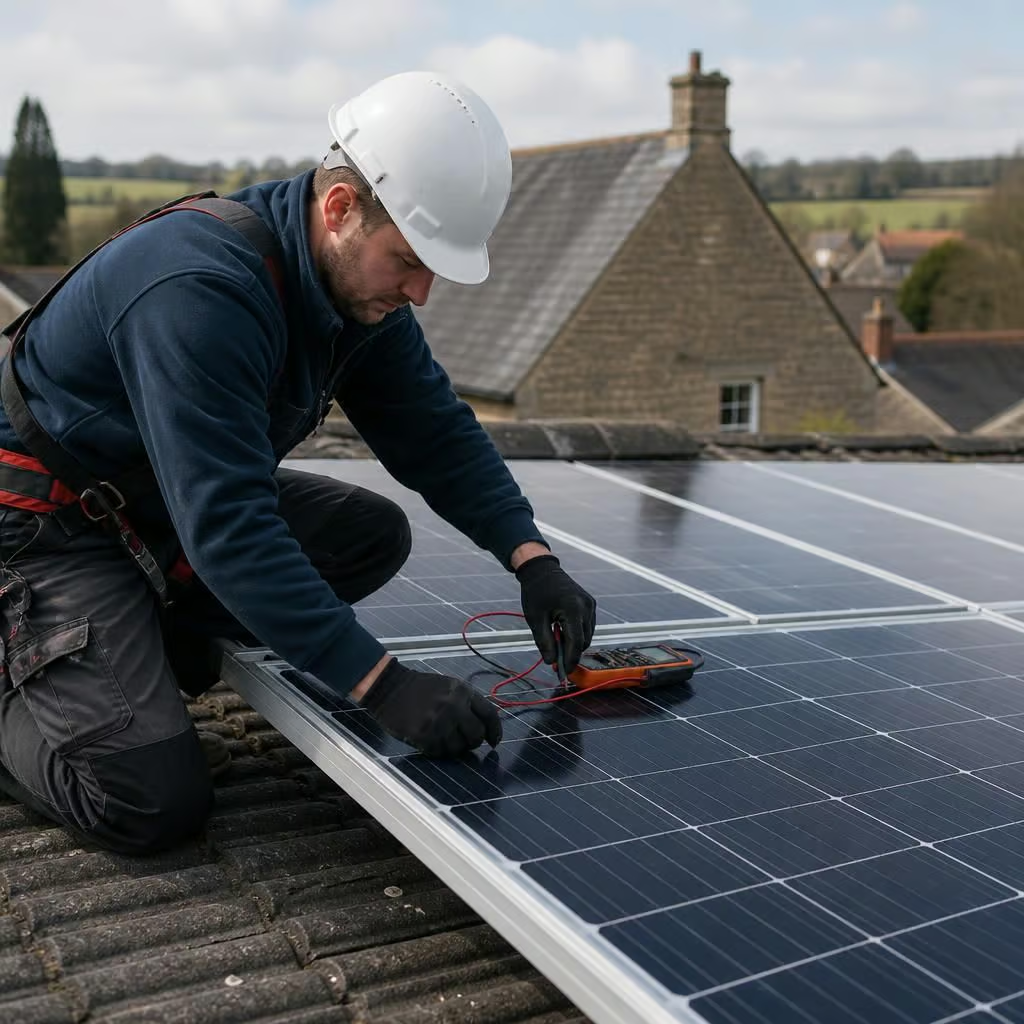
A mark on a panel does not automatically mean it needs replacing. Dirt, staining or a minor frame scuff may affect appearance without affecting electrical safety or generation.
We assess the glass, frame, back sheet and electrical readings together. If the damage is only cosmetic and the panel remains safe, repairing the wider system may be enough. If the defect affects insulation, cells or water resistance, we’ll explain why replacing that panel is the safer option.