
Can solar panel servicing identify faults before they affect generation?
Yes. Solar panel servicing can identify faults, damage and performance issues before they cause a noticeable drop in generation, giving you a chance to address the problem sooner.
The most useful service is carried out before a fault becomes obvious on the generation meter. We look for physical damage, electrical problems and changes in system performance that may not yet have caused a clear drop in output.
A solar PV system can continue producing electricity while part of it is working poorly. One damaged connector, a failing inverter input or a fault affecting one section of the array may reduce performance without stopping the system altogether. The household may only notice when generation is compared with an earlier bill or the monitoring app shows an unusual pattern.
We start by discussing anything you have noticed, such as lower generation, inverter messages, intermittent shutdowns or a monitoring system that has stopped updating. Your records help us distinguish a sudden fault from a gradual change caused by weather, shading or seasonal daylight.
- Panels: We look for cracked glass, damaged frames, delamination, staining, bird damage and signs of water ingress.
- Mounting: We check whether rails, brackets and fixings remain secure, particularly where wind or previous roof work may have affected them.
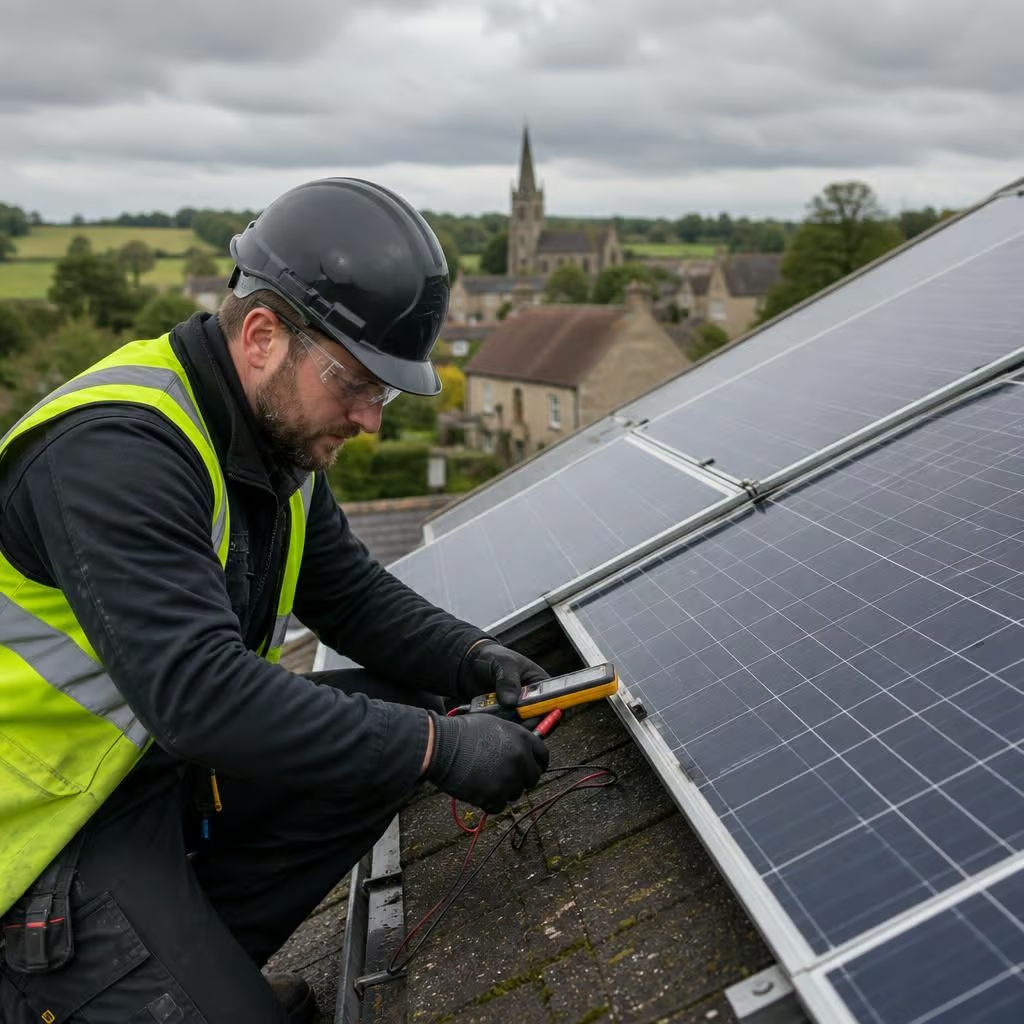
- Cabling and connectors: We inspect accessible DC cables, cable clips and connectors for damage, loose connections, heat damage or deterioration from exposure.
- Isolation equipment: We examine the DC and AC isolators and associated equipment for signs of overheating, moisture or poor connections.
- Inverter: We check the display, fault history, ventilation and operating condition. An inverter can record intermittent faults that are no longer showing when we arrive.
- Generation data: We compare available readings with the system’s expected operation, taking weather and seasonal conditions into account.
Electrical testing helps us investigate problems that cannot be confirmed by sight alone. A reading outside the expected range can point towards a cable, connector, panel string or inverter issue. We explain what the result means rather than treating every unusual reading as evidence that the panels need replacing.
Some warning signs deserve attention even when generation still looks normal. Discolouration around an isolator, a burning smell, repeated inverter resets, visible cable damage or water inside equipment can indicate a developing electrical fault. If you notice any of these, do not open the equipment or disconnect cables yourself. Tell us what you have found so we can assess it safely.
Shading and soiling can also make a system appear faulty. Dirt, moss, leaves, nearby tree growth and new roof structures may reduce the light reaching the panels. We separate those causes from electrical faults and explain when cleaning or managing the shading is likely to help. Cleaning is not automatically needed at every service.
Older installations need a practical assessment rather than an assumption that every component has the same remaining life. We check the condition of the equipment that is present and consider whether replacement parts are still appropriate. If a monitoring device, inverter or protection component needs attention, we set out the available repair or upgrade options before work starts.
A service can also identify issues created by later work on the property. Roof repairs, loft alterations, satellite equipment and tree growth can affect panel access, cabling or shading. Where the array sits on an older roof, we take care around the existing tiles and fixings and tell you if a roofing issue needs separate attention.
You receive a clear explanation of any findings, including faults that require action and items that can be monitored. If a repair is needed, we explain whether it affects generation, how the system will be isolated, and what work is involved. We provide a written quotation before chargeable work starts, so the decision does not depend on an unexpected invoice.
Our electrical engineers work to the relevant safety requirements and use the inspection to check that accessible parts of the installation remain safe to operate. We do not remove panels or disturb roof coverings simply to create a longer checklist. If a deeper investigation is needed, we explain why and what access it requires.
For systems connected to batteries or export monitoring, we also consider how the wider setup is behaving. A fault may appear as reduced solar generation when the real issue lies in communication, battery charging or inverter settings. Looking at the system as a whole helps us avoid replacing a working panel for a problem elsewhere.
Servicing cannot predict every component failure, and a clear inspection is not a guarantee that a fault will never occur. It does, however, give you an earlier opportunity to deal with damage, unsafe connections and declining performance before they become a larger interruption to generation.
Your electricity bill may not show a developing solar fault. Household usage, battery charging and exported electricity can hide a gradual fall in generation. We look at the system’s own operating information instead, so a change in performance is not confused with a change in how the home uses power.
If the system is connected to battery storage, the same check can show whether the issue affects panel generation or only the way energy is being stored or exported. That distinction helps you avoid paying for panel work when the cause lies elsewhere in the installation.