
What paperwork should I keep for solar panel maintenance?
Keep the installation certificate, system design and electrical diagrams, equipment manuals, warranties, MCS certificate, export tariff documents, invoices and records of any maintenance or repairs. If the system has been inspected, retain the inspection report too, as it gives the next engineer a clear history of the panels, inverter, battery and associated wiring.
The most useful record is a complete handover file that links the panels, inverter, mounting system and electrical work to your property. Keep it together in a labelled paper folder and a backed-up digital copy.
Your MCS certificate confirms that the solar installation was registered under the Microgeneration Certification Scheme. Keep it with the commissioning record, because the certificate may be needed when applying for the Smart Export Guarantee. Your export tariff provider may also ask for the commissioning date, system capacity and meter details.
- System design: retain the panel layout, inverter location, cable routes, isolator positions and any battery or generation capacity details.
- Electrical certification: keep the electrical installation certificate and any certificate or notification issued for the connection to the property.
- Commissioning information: store the start-up readings, test results, shutdown procedure and instructions for restarting the system safely.
- Equipment details: record the manufacturer, model and serial number for the panels, inverter, battery, optimisers and monitoring equipment.
- Warranties: keep the terms for each component, including the installer’s workmanship warranty where one applies.
- Maintenance history: add dated reports showing inspections, cleaning, testing, repairs, replacement parts and any changes to system settings.
Warranty documents often depend on proof of correct installation and suitable maintenance. An invoice alone may not show what was tested or which component was changed, so keep the engineer’s report with it. If a fault occurs later, the serial number and installation date can help identify the relevant warranty without removing equipment or searching through old emails.
Keep photographs of the installation before roof access becomes necessary. Useful images show the panel arrangement, cable entry points, inverter and isolators, labels, and any visible damage noted during an inspection. These records can help an engineer trace a circuit or compare a later condition with the original installation.
If the property is listed, in a conservation area or subject to another restriction, retain any planning decision, approval or correspondence relating to the panels. Building control documents may also be relevant where the installation involved structural alterations. These papers matter when you alter the roof, sell the property or need to explain why the system differs from a standard installation.
Keep the monitoring account details, but don’t rely on the app as the only record. Apps can change, accounts can be closed and historic performance data may not remain available. Save important fault messages, generation readings and inspection findings as dated documents or screenshots.
When you arrange maintenance, add the date, meter or generation reading, work completed and any recommendation to the file. If we find a fault, keep the diagnostic report, photographs, parts invoice and confirmation that the system was tested afterwards. A clear timeline makes it easier to distinguish a panel issue from an inverter, isolator, cable or monitoring fault.
Store the file where the next owner, electrician or maintenance engineer can find it. Tell your buildings insurer and export tariff provider about relevant changes, such as a new inverter, battery or altered generation capacity, and keep their written confirmation with the other records.
Before a planned inspection, send the available documents to the engineer. Missing paperwork doesn’t prevent maintenance, but it can mean more time is needed to identify the system and confirm how it was designed. If key certificates or warranty records are missing, we can assess the installation and explain which checks or replacement documents may be possible.
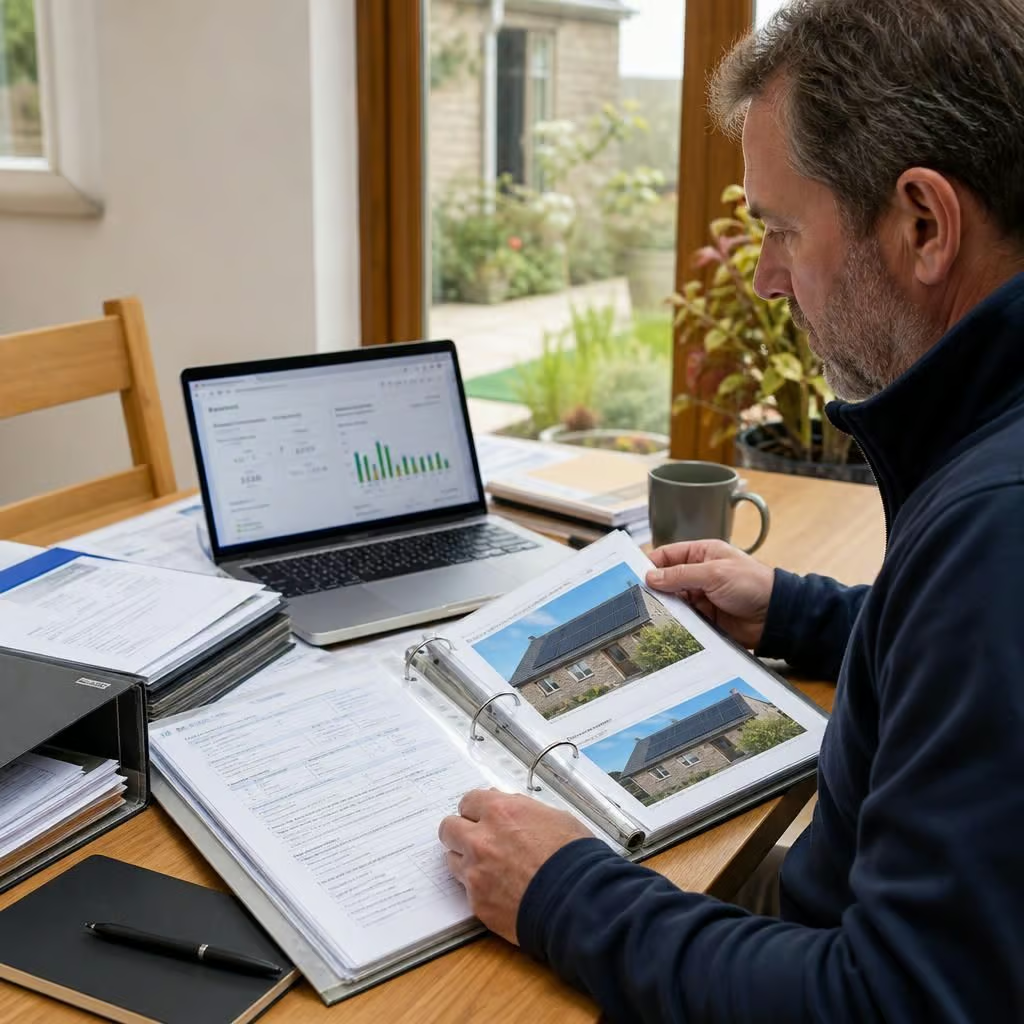
Your monitoring account is part of the system’s record, but it also contains household data. Keep the account reference and provider instructions with the paperwork, while storing passwords separately and securely. If the property changes hands, download any useful historic data, transfer the account through the provider’s process and remove former users. That leaves the next owner with access to the system without exposing your personal login details.