
What does an air source heat pump installation involve?
An air source heat pump installation starts with a survey of your home, heating demand and existing system. We then design and fit the heat pump, make any necessary radiator or pipework changes, test the system and explain its operation and aftercare.
An air source heat pump installation is a whole-heating-system project, not simply the fitting of an outdoor unit. We establish whether the property can be heated effectively at lower water temperatures, then design the equipment, emitters, controls and electrical supply to work together.
Your existing heating system may have been designed around a gas, oil or LPG boiler running at a higher temperature. A heat pump works differently. It runs for longer periods at a lower flow temperature, so the radiators, pipework, hot water cylinder and controls all need to suit that method of heating.
What happens before installation
The assessment needs to look at the building as a whole. We consider the construction, insulation, windows, room sizes and how each space is currently heated. Solid-wall homes, barn conversions and older properties can be suitable, but the design must allow for their heat loss rather than relying on assumptions based on a modern house.
Room-by-room heat loss calculations show how much heat each area needs. They help us decide whether existing radiators are large enough and identify where larger radiators, underfloor heating or pipework changes may be needed. This is important because a heat pump cannot compensate for an unsuitable system simply by being set to run hotter.
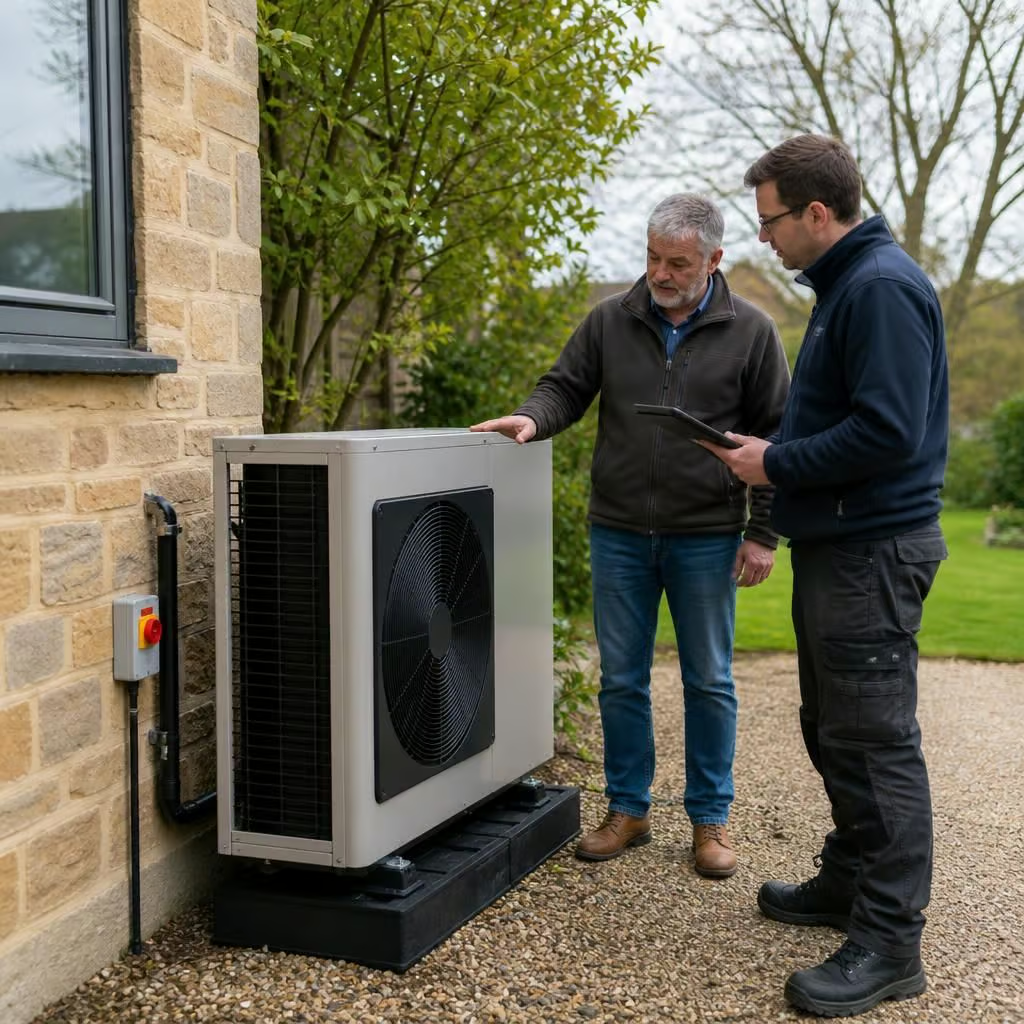
We also consider the location of the outdoor unit. It needs a suitable position with enough airflow, sensible access for maintenance and a practical route for the refrigerant and water connections. Noise, discharge from the condensate drain, boundaries and the appearance of the property all form part of that decision.
The indoor equipment normally includes a hot water cylinder and the controls needed to manage heating and hot water. The available plant-room or airing-cupboard space matters. If the present boiler occupies that space, we explain what will change and where the replacement equipment can go.
Your electrical supply is checked as part of the design. The heat pump needs its own electrical protection and may require changes to the consumer unit or other parts of the installation. Where electrical work is needed alongside the heating work, we can plan both elements together rather than leaving separate trades to coordinate them.
Planning, grants and the quotation
Planning requirements depend on the property, the position of the outdoor unit and any restrictions that apply. Listed buildings, properties in conservation areas and some rural homes need particular care. We identify the relevant requirements during the design stage rather than treating planning as an afterthought.
The quotation should make clear what the proposed system includes. That can cover the heat pump, cylinder, controls, radiators, pipework, electrical work, removal of existing equipment, commissioning and any necessary making-good. It should also identify work that is recommended but not essential, so you can compare the practical options before deciding.
For an eligible property, MCS certification allows us to apply for a Boiler Upgrade Scheme grant on your behalf. Eligibility depends on the property and the proposed system, so we check the position rather than assuming that every installation qualifies. The grant process and any conditions are explained before work begins.
What installation involves
On the installation day, we position the outdoor unit on an appropriate base or mounting arrangement and connect it to the internal system. The route between the two units needs to be carefully planned to protect the pipework, avoid unnecessary bends and keep the finished work tidy.
Inside the property, we install or adapt the cylinder, heating controls and associated pipework. Radiator changes can involve draining part of the system, removing existing emitters and making new connections. If the pipework is accessible, we use the most practical route available and explain any visible alterations before they are made.
An installation can cause some disruption, particularly where radiators need replacing or pipework must pass through floors, walls or cupboards. The extent depends on the existing layout and the condition of the system. We protect working areas, keep the work orderly and leave the property as we found it.
If an existing oil or LPG boiler is being replaced, its removal and the treatment of associated tanks, flues or pipework need to be considered separately. Off-gas-grid properties often have more equipment to account for, but that does not make a heat pump unsuitable by itself. The condition of the building and the quality of the system design matter more than the fuel currently in use.
Testing and handover
Once the system is connected, we test the heating and hot water circuits, check flow rates and confirm that the controls operate correctly. We balance the heating system so that rooms receive the intended amount of heat, then commission the heat pump to the design conditions.
The controls may work differently from those on a boiler. Instead of relying only on short, high-temperature heating periods, the system may adjust its output according to outdoor conditions and the temperature inside the home. We explain the controls in ordinary terms, including how to set hot water heating, schedules and holiday settings.
You receive the relevant installation and commissioning information, along with guidance for normal operation and maintenance. MCS certification also makes an eligible installation suitable for the Smart Export Guarantee where electricity generation is part of the wider property system and the applicable requirements are met.
After installation
The first few days are a useful period for checking how the house responds. A room that was comfortable with a boiler may need a different control setting or a radiator adjustment. If the system does not behave as expected, the commissioning information helps us trace the issue back to the design, settings or installation rather than guessing.
Maintenance normally includes checking the outdoor unit, connections, controls and heating circuit. Keeping filters, grilles and the area around the outdoor unit clear is also important. We explain the routine checks that you can carry out and the points that need an engineer.
An air source heat pump is not the right choice for every property. If the heat loss, available space, electrical supply or planning position makes the project impractical, we explain that before installation. If upgrades are needed first, the quotation sets out what they are for and how they affect the overall work, so the decision is based on the actual house rather than a standard package.
If your household uses a lot of hot water at particular times, that needs to be part of the design. We size the cylinder and programme the controls around how the home is used, rather than treating hot water as an afterthought.
Your heating habits may also need to change slightly. A heat pump is intended to maintain a steady temperature, so frequent short bursts of heating can be less suitable than a consistent schedule. We explain the settings at handover and help you understand which adjustments affect comfort and electricity use.