
What does battery storage add to solar panels?
Battery storage keeps surplus solar electricity for later, so you can use more of what your panels generate instead of exporting it immediately. It can reduce reliance on grid electricity, but it does not automatically keep the home powered during a power cut unless the system is designed for backup.
Battery storage adds control over when you use your solar electricity. Instead of matching your electricity use to daylight hours, you can keep more of the energy your panels produce and draw on it later. The result depends on your household’s demand, panel generation, battery size and electricity tariff, so we work those details out rather than treating every installation the same.
Solar panels often generate most strongly when the home is quiet during the day. The battery can take in that surplus, then discharge when demand rises. That might be while cooking in the evening, running appliances or charging an electric vehicle. Your inverter controls the flow, sending electricity to the home first and directing the remainder to the battery or the grid.
A battery can also make your solar system easier to manage from season to season. Longer summer days may leave more energy available for storage, while winter generation may be lower. A suitably sized battery helps you use available generation at a useful time, but it cannot make a small amount of winter sunshine produce more electricity. Oversizing the battery can also leave capacity unused, so bigger is not automatically better.
The battery does not create electricity. It stores electricity generated by the panels or, where the system allows it, electricity bought from the grid. Some households use time-of-use tariffs to charge at a cheaper period and discharge later. Tariffs and supplier terms change, so we look at the current arrangement and your actual consumption before including this in the assessment.
Your export payments also affect the decision. Sending surplus electricity to the grid may provide an income, while storing it may let you use that electricity yourself at another time. We compare the likely pattern of export, household demand and battery use. An MCS-certified installation can meet the requirements for the Smart Export Guarantee, subject to the relevant supplier and scheme conditions.
Battery storage is not automatically whole-home backup. A standard solar-and-battery system may shut down during a power cut because it must not send electricity back onto the network. Backup requires compatible equipment, suitable controls and a separate protected circuit. We discuss which circuits matter to you, such as refrigeration, lighting, heating controls or internet equipment. High-demand appliances may not be suitable for backup, particularly if several start at once.
Older properties need a practical check before the battery is specified. We look at the consumer unit, cable routes, inverter position, available wall space and the condition of the existing electrical installation. A rural or solid-wall home may need a different cable route or mounting position from a newer house. The battery needs a dry, ventilated location with suitable access, clearances and protection from avoidable damage. It must not simply be placed wherever there is an empty wall.
If panels are already installed, we check the existing inverter and wiring before recommending an additional battery. Some systems can accept a battery through compatible equipment; others need an inverter replacement or a different arrangement. That technical check prevents a battery being specified that cannot work correctly with the rest of the installation.
For a new solar installation, we size the panels, inverter and battery together. We use information about your electricity use, heating system, planned EV charging and likely daytime occupancy. A home with someone working remotely may use more solar directly, while an empty house during the day may have more surplus available for storage. Your future plans matter too: adding an EV charger later can change the best balance between panel capacity and battery capacity.
Installation normally involves mounting the battery and associated equipment, connecting it to the electrical system, configuring the controls and testing the system under normal operating conditions. We also explain the monitoring app or display, including what the solar, battery, home and grid readings mean. You should be able to tell whether the battery is charging, discharging or holding energy without having to interpret specialist electrical data.
There are limits to what storage can achieve. A battery has a finite capacity and maximum charge and discharge rate. Large appliances may still draw from the grid if the battery is empty or cannot supply enough power. The battery’s usable capacity and performance will reduce over its working life, and the manufacturer’s warranty conditions vary. We explain those limits alongside the quotation, rather than presenting storage as a way to eliminate every electricity bill.
The financial case should include more than the battery price. We consider the amount of solar electricity currently exported, when you use electricity, the available tariff and whether the system needs additional electrical work. A battery may be attractive where considerable generation is otherwise exported, but it may be harder to justify where most electricity is already used while the panels are producing. We set out the expected use of the system so you can decide whether the additional cost is worthwhile.
We install the electrical work in-house, so the battery, inverter, consumer unit changes and any related EV charging equipment can be assessed as one system. Your quotation is provided before work starts and sets out the proposed equipment and work, with no surprise charges. The aim is not simply to add a battery, but to leave you with a system that fits the way the property uses electricity.
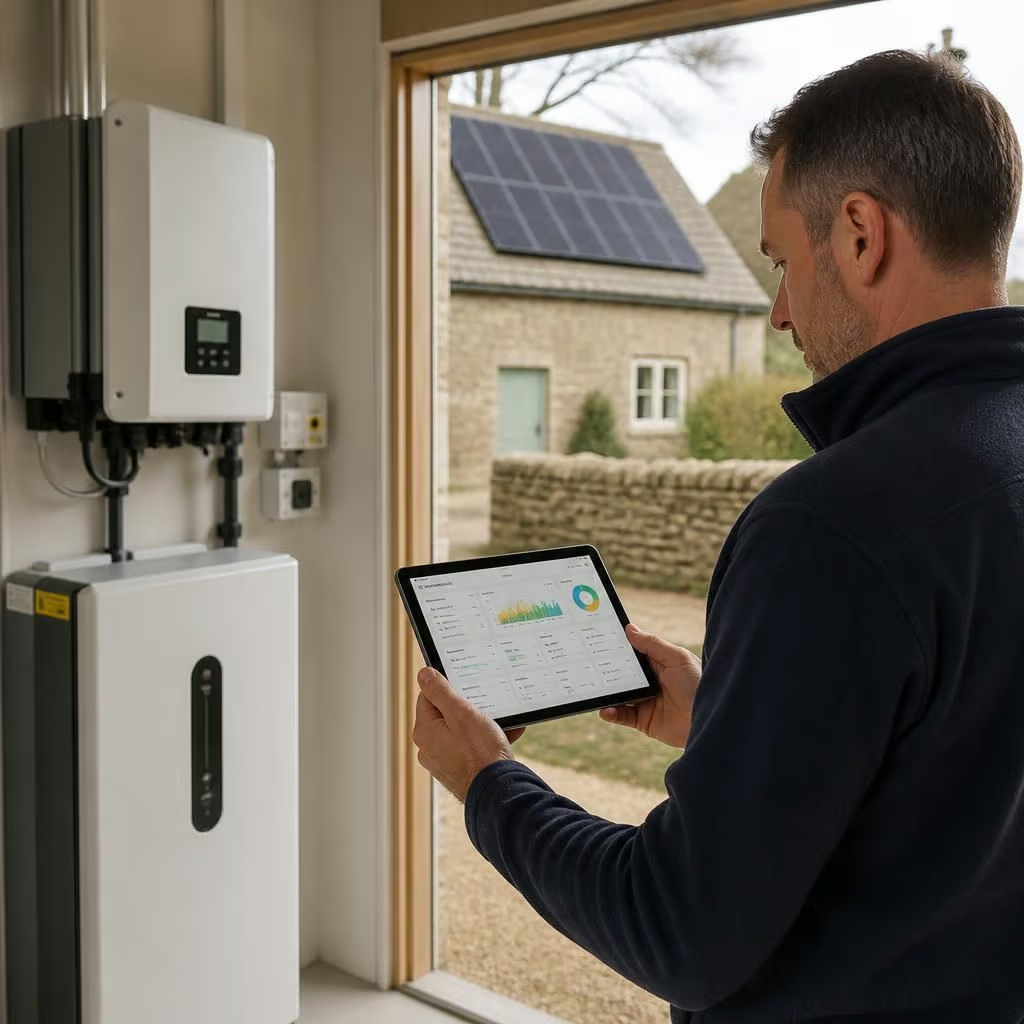
The monitoring data shows how much the battery adds in practice. If it reaches full early in the day, some solar generation may still be exported. If it is empty before the evening demand starts, the system may need different settings or more capacity. We use those readings to explain the pattern and help you decide when to run appliances or charge an electric vehicle. That makes the battery a controllable part of the home’s electricity use, rather than equipment that simply sits beside the panels.