
What happens during an initial assessment?
During an initial assessment, we discuss what you want to achieve, inspect the relevant parts of your home and existing system, and identify practical options. We then explain the likely work, any property-specific considerations and the next steps, so you can decide how to proceed.
An initial assessment gives us enough information to recommend work that fits your property, existing equipment and priorities. We look at the condition of the relevant system, identify constraints and explain the practical choices before we prepare any quotation.
Before the visit
Tell us what you want to change and what has prompted it. That might be an ageing boiler, high electricity use, an electrical concern, a planned renovation or interest in solar panels, battery storage, an air source heat pump or an EV charger. If you know the make and age of the existing equipment, send those details with any recent service records or installation paperwork.
It also helps to have your recent energy bills available. They show how the property is currently used and help us assess running costs for the options we discuss. If the property is listed, a barn conversion, solid-walled or off the gas grid, mention that when arranging the assessment. Those details can affect equipment selection, pipework routes, planning considerations and the likely extent of the work.
What we inspect
The inspection depends on the work you are considering. We may need to look at:
- the boiler, hot water cylinder, controls, flue and fuel supply;
- radiators, pipework, insulation and the available space for new equipment;
- the consumer unit, earthing, cable routes and available electrical capacity;
- roof condition, orientation, shading and cable routes for solar panels;
- space for an inverter, battery, hot water cylinder or heat pump components;
- the position of an external heat pump unit, including access, noise and discharge considerations; and
- the route from an EV charger to the consumer unit and the location where a vehicle would normally be parked.
For a heat pump assessment, the size and layout of the rooms matter more than the boiler size alone. We consider heat loss, radiator output, insulation and the temperature the system needs to run at. If some radiators or sections of pipework need changing, we explain why rather than treating that work as an unexpected extra.
For solar and battery storage, we consider how much electricity the property uses, when it is used and where panels and equipment could go. A battery may be useful when evening demand is high, but the right arrangement depends on the property and its usage. We also explain how the proposed installation could work with the Smart Export Guarantee. MCS certification means we can make the relevant grant application on your behalf where the installation meets the scheme requirements.
Questions we answer on site
Older homes often need a more careful assessment than a straightforward modern installation. Solid walls, low ceilings, older wiring, limited plant space or a listed-building consent requirement can all change the design. We point out those issues during the visit and explain what can be retained, what may need upgrading and what would cause unnecessary disruption.
If the existing system is unsafe, poorly sized or near the end of its serviceable life, we explain the evidence for replacement. If repair remains sensible, we say so. For an off-gas-grid property, we can take account of oil or LPG heating and the practical implications of changing the fuel or heating technology. We do not treat a renewable installation as suitable simply because it is technically possible.
You can also use the assessment to ask about:
- how much work will take place inside the property;
- where cables, pipes, radiators or external equipment would be positioned;
- whether the existing consumer unit or supply needs electrical work;
- how the system would be controlled and maintained;
- which grant or export arrangements may apply; and
- what needs to happen first if several parts of the property require attention.
What happens afterwards
We record the findings and separate essential work from improvements that could be carried out later. If the proposed work involves more than one trade, we explain how the electrical, heating and renewable elements fit together. That helps you see the full installation rather than making decisions from separate assumptions.
Once the requirements are clear, we provide a written quotation before work starts. It sets out the proposed equipment, labour and any enabling work, along with the assumptions behind the price. If an inspection uncovers a problem that changes the scope, we explain it before carrying out additional work rather than adding an unexpected charge.
The assessment should leave you with a clear choice: proceed with the recommended work, ask us to revise an option, or decide that a different approach suits the property better. If you are still comparing alternatives, the information from the assessment gives you a practical basis for doing that.
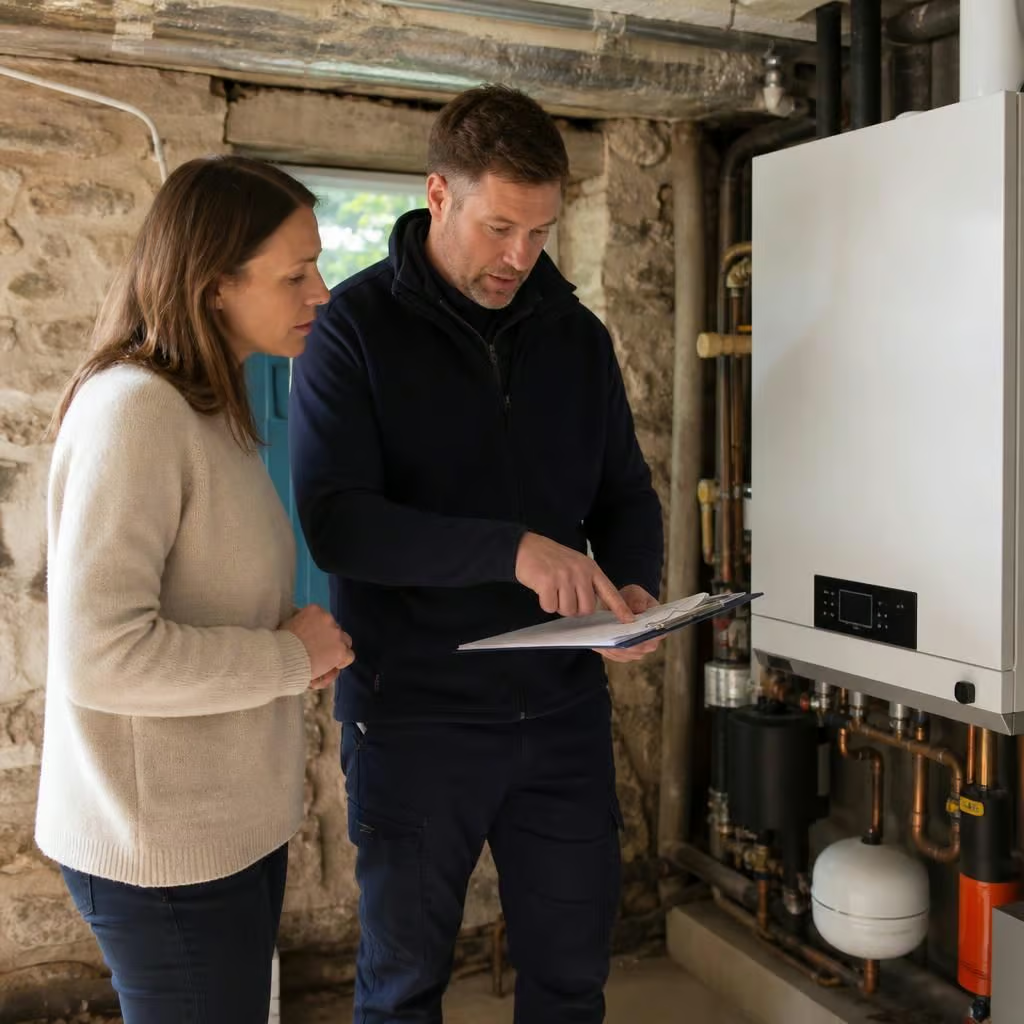
An initial assessment should leave you with a clear basis for deciding, not a list of equipment to buy. We relate each recommendation to the way the property is used, its existing systems and the practical limits of the building.
If an option depends on further checks, we identify that before the work is priced. You will know which questions have been answered, which need confirming and what information supports the recommendation. That makes it easier to compare approaches without committing to work that may not suit the property.